

Blogs
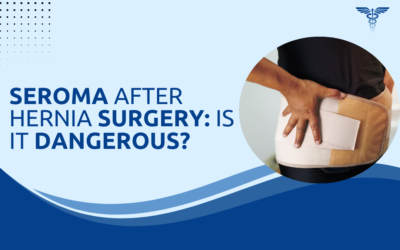
Seroma After Hernia Surgery: Is It Dangerous?
A seroma after hernia surgery is a collection of fluid serum and lymphatic fluid that accumulates in the space previously occupied by the hernia sac or around the mesh. It's the most common complication after laparoscopic hernia repair, occurring in up to 30% of...
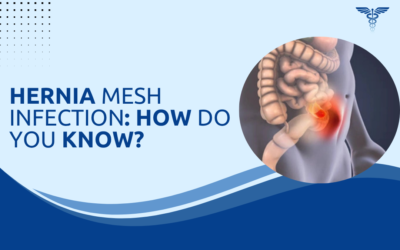
Hernia Mesh Infection: How Do You Know?
Hernia mesh infection is uncommon but serious rates sit between 1% and 8% depending on repair type and patient risk factors. Symptoms range from early wound changes to chronic draining sinuses months or years later. Not every wound complication is mesh infection...
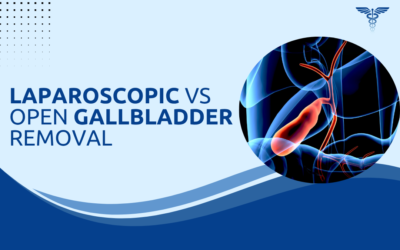
Laparoscopic vs Open Gallbladder Removal
Laparoscopic cholecystectomy is the standard of care for gallbladder removal smaller incisions, less pain, faster recovery, and discharge within a day or two. Open cholecystectomy isn't inferior; it's the right choice when laparoscopic access is unsafe or anatomy is...
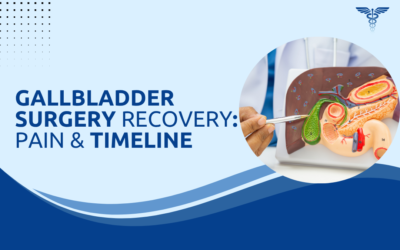
Gallbladder Surgery Recovery: Pain and Timeline
Laparoscopic cholecystectomy recovery is faster than most patients expect same-day or next-morning discharge, mild to moderate pain manageable with standard oral analgesia, and full recovery in two to four weeks. Shoulder tip pain from residual CO₂ gas is common in...
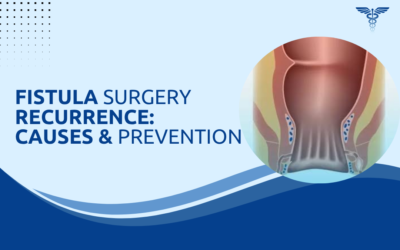
Fistula Surgery Recurrence: Why It Happens and How to Prevent It
Fistula recurrence rates range from 8 to 45 percent depending on complexity, technique, and whether the internal opening was correctly identified. Simple low fistulas have low recurrence; complex trans-sphincteric, horseshoe, and previously operated fistulas carry...
Gallstones in Pregnancy: What Are the Safe Treatment Options?
Gallstones in pregnancy are more common than most patients expect. Asymptomatic cases don't require immediate intervention. Symptomatic gallstones causing biliary colic, cholecystitis, or pancreatitis are a different matter, as repeated attacks carry real...

Hernia Surgery in Elderly Patients: What Are the Real Risks?
Hernia surgery is safe in elderly patients when pre-operative assessment accounts for cardiac, pulmonary, and renal comorbidities age by itself isn't a contraindication. Laparoscopic repair under regional or local anaesthesia is increasingly preferred in this group...
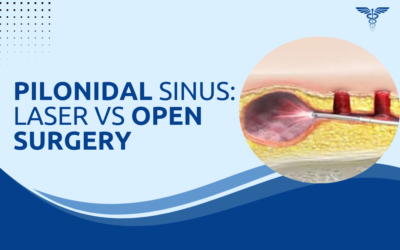
Pilonidal Sinus: Does Laser Surgery Actually Work Better Than Open Surgery?
Laser treatment for pilonidal sinus offers faster wound healing, less post-operative pain, and lower recurrence compared to traditional open excision in most uncomplicated cases. Open surgery remains the standard for large, recurrent, or multi-tract sinuses where...
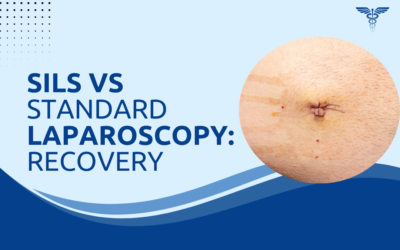
SILS vs Standard Laparoscopy: Which Heals Faster?
SILS and standard laparoscopy heal at the same rate. Published data show no meaningful difference in recovery time, return to work, or post-operative pain between the two. Total tissue trauma is similar regardless of port count which is why healing timelines don't...
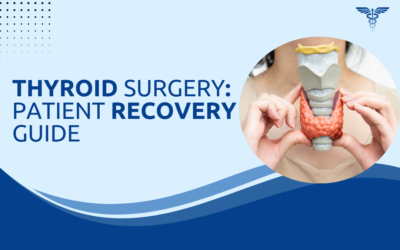
Thyroid Surgery: Patient Recovery Guide
Thyroid surgery recovery is faster than most patients expect. Minimally invasive approaches have reduced post-operative pain, hospital stay, and return time compared to open thyroidectomy. Most day care patients go home the same day or the morning after. Hoarseness...
Is Hernia Surgery Covered by Health Insurance in India?
Hernia surgery is covered by most Indian health insurance policies when medically indicated both laparoscopic and open repair qualify. What varies is how much gets covered, based on your policy terms, sum insured, and hospital network status. Day care surgery is...
Recurring Pain After Gallbladder Surgery: Causes
Pain after gallbladder removal affects 10% to 15% of patients a group of findings called post-cholecystectomy syndrome. The gallbladder is gone, but the biliary system, surrounding structures, and gut remain, and any of these can drive ongoing symptoms. Some causes...
Laser Circumcision: Recovery and What to Expect?
Laser circumcision recovery is faster and less painful than conventional surgery. The laser seals blood vessels as it cuts, reducing bleeding and post-operative bruising. Most patients go home the same day, return to desk work within five to seven days, and complete...
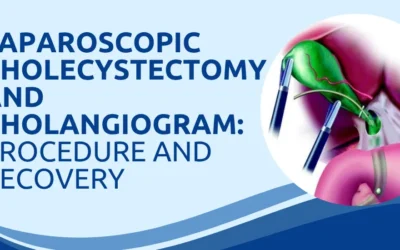
Laparoscopic Cholecystectomy and Cholangiogram: Procedure and Recovery
Gallbladder problems, especially gallstones, can cause recurring pain, digestive discomfort, and complications if left untreated. In many cases, gallbladder removal surgery is recommended to prevent repeated symptoms and improve quality of life. Laparoscopic...
FNAC for Thyroid Nodule: What Do Your Results Actually Mean?
An FNAC thyroid report uses the Bethesda system six categories, each with a cancer risk and a clear next step. Bethesda I means the sample was inadequate and needs repeating. Bethesda II is benign. Bethesda III and IV sit in the indeterminate zone. Bethesda V is...
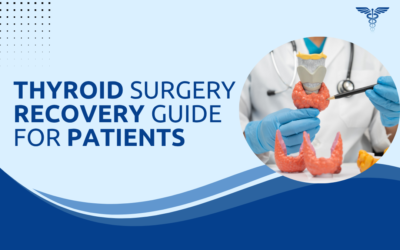
Thyroid Surgery Recovery: What Patients Need to Know Week by Week?
Thyroid surgery recovery takes two to three weeks for light daily activity and four to six weeks for full physical function. What catches patients off guard isn't the wound it's the hormone replacement dosing, transient voice changes, calcium monitoring, and fatigue...

Is Skin Glue Suitable for Children’s Wounds?
Skin glue is often the preferred choice for children's lacerations over stitches. It closes clean, low-tension wounds quickly, needs no needles, and causes minimal distress. It's waterproof, protects the wound, and falls off naturally no removal visit needed....
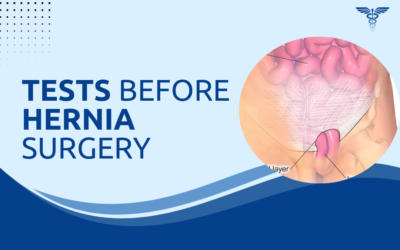
What Tests Are Done Before Hernia Surgery?
Pre-operative testing before hernia surgery confirms fitness for anaesthesia, flags conditions needing optimisation, and reduces surgical risk. The workup is tailored to age, comorbidities, and repair complexity blood tests, ECG, and chest X-ray are standard, with...
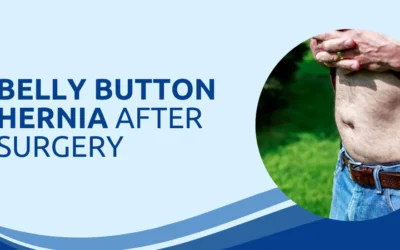
Belly Button Hernia After Surgery
Abdominal surgeries help treat several medical conditions, but in some cases, weakness can develop around the surgical area and lead to a hernia. A belly button hernia after surgery occurs when tissues or abdominal contents push through a weakened area near the navel...
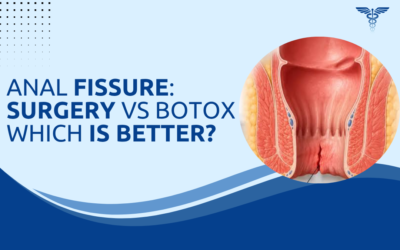
Anal Fissure: Surgery vs Botox Which Is Better?
The right choice depends on fissure chronicity, sphincter status, and patient risk profile. Lateral internal sphincterotomy heals over 90% of chronic anal fissures but carries permanent continence risk. Botulinum toxin achieves 60–80% healing, is reversible, and is...
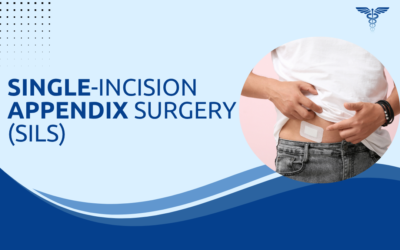
Can Appendix Surgery Be Done Through a Single Incision (SILS)?
Yes, an appendectomy can be performed through a single umbilical incision using SILS (single-incision laparoscopic surgery). All instruments pass through one port at the navel instead of three separate ports, leaving one small scar hidden inside the umbilicus. The...
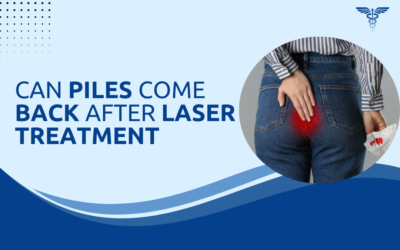
Can Piles Come Back After Laser Treatment?
Piles can come back after laser treatment. Laser haemorrhoidoplasty removes the haemorrhoids precisely but it doesn't remove the cause. Chronic straining, low fibre diet, prolonged sitting, and constipation remain after the procedure unless the patient actively...
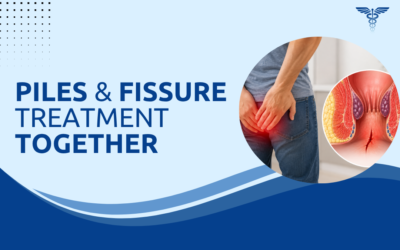
Piles and Fissure: Can Both Be Treated Together?
Yes, piles and fissures can be treated in the same operative sitting. Both affect the anal region, are diagnosed at the same examination, and often share a common cause: chronic constipation and straining. Combining haemorrhoidectomy or laser treatment with lateral...
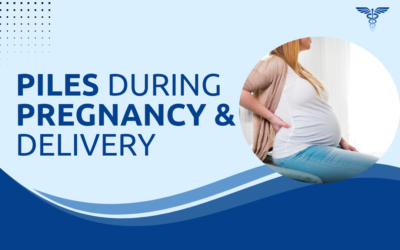
Can Piles During Pregnancy Affect Delivery or Require a C-Section?
Piles don't cause C-sections and rarely affect delivery. The decision for a caesarean is made on obstetric grounds, not anorectal ones. What piles do affect is comfort during pregnancy, the pushing stage of labour, and the immediate postpartum period. Severe prolapsed...
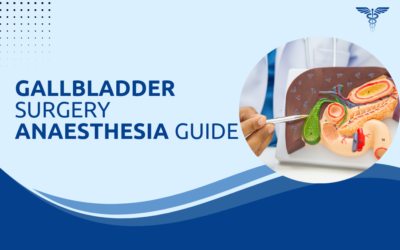
Gallbladder Surgery: What Type of Anaesthesia Is Used?
General anaesthesia is standard for laparoscopic cholecystectomy. The abdomen is inflated with carbon dioxide, requiring complete muscle relaxation and controlled ventilation neither achievable under regional anaesthesia. The patient is unconscious and pain-free, and...
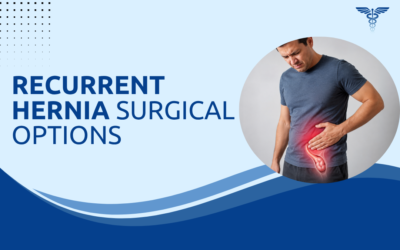
Recurrent Hernia After Previous Repair: What Are the Surgical Options?
A hernia that returns after repair is treatable, but the surgery is more complex. Scar tissue, prior mesh, and altered anatomy make dissection harder and raise complication risks.The approach depends on what was done before. Laparoscopic repair is preferred after open...
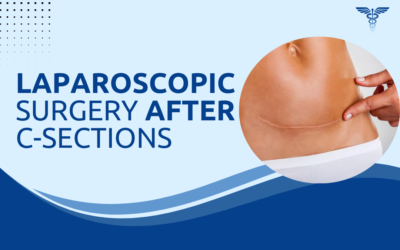
Is Laparoscopic Surgery Safe for Women Who’ve Had Multiple C-Sections?
Laparoscopic surgery is safe after multiple C-sections, but requires more careful planning. Each C-section leaves adhesions scar tissue that binds pelvic and abdominal structures in ways that don't show on imaging. These increase the risk of bowel or bladder injury...
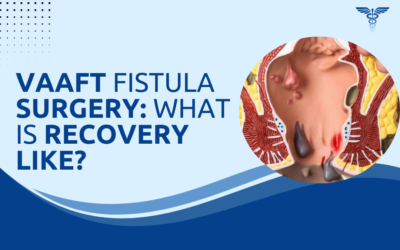
VAAFT Fistula Surgery: What Is Recovery Like?
VAAFT recovery is considerably faster than open fistulotomy. There is no large wound, no packing, and no prolonged healing. Most patients are discharged the same day. Pain in the first few days is mild to moderate and well-controlled with standard analgesia.Since...
How Long Does Gallstone Pain Last Before Surgery?
A gallstone attack lasts between thirty minutes and six hours. A stone blocks the cystic duct, pain builds to a peak, then eases when the stone shifts. The pain goes. The stones don't. Attacks recur usually worse, usually sooner. Without surgery, the risk of serious...
Is Robotic Hernia Surgery Available in Bangalore?
Robotic hernia surgery is available in Bangalore. It uses the same principles as laparoscopic repair but adds 3D visualisation, wristed instrument movement, and finer dissection control. The mesh goes in the same place, the anatomy is the same, and for most standard...
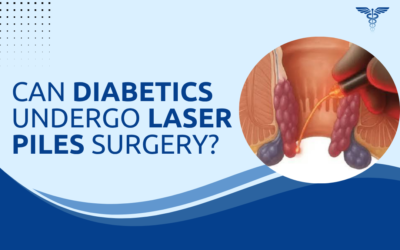
Can Diabetics Undergo Laser Piles Surgery Safely?
Diabetics can undergo laser piles surgery safely when blood glucose is adequately controlled before the procedure. Diabetes doesn't disqualify a patient from haemorrhoid surgery. What matters is HbA1c at the time of assessment, current glucose control, and whether any...
High Risk Hernia Surgery: Who Qualifies and What to Expect?
High-risk hernia surgery is performed on patients whose comorbidities — cardiac disease, diabetes, obesity, respiratory conditions place them outside routine surgical eligibility. It isn't a different operation. It's the same hernia repair with a more detailed...
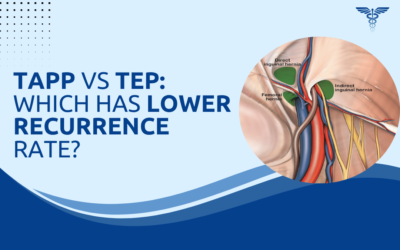
TAPP vs TEP: Which Has Lower Recurrence Rate?
TAPP and TEP have equivalent recurrence rates in the published evidence. Both sit between 1% and 3% in experienced hands no meaningful difference between them when technique and mesh placement are done correctly. The choice between TAPP and TEP isn't about which one...
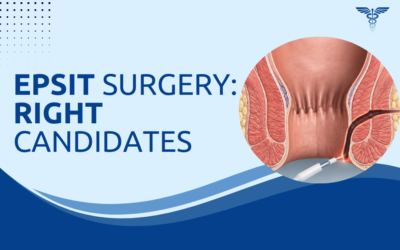
What Is EPSiT Surgery and Who Is the Right Candidate?
EPSiT Endoscopic Pilonidal Sinus Treatment is a minimally invasive procedure that treats pilonidal sinus by destroying the sinus tract from inside using an endoscope, without cutting out a large block of tissue. It doesn't leave an open wound. Recovery is...
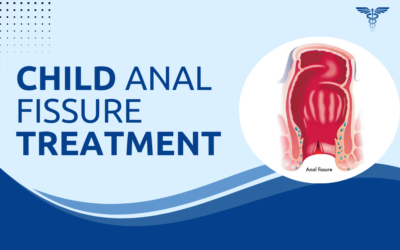
Can a Child With Anal Fissure Be Treated Without Surgery?
Anal fissures in children resolve without surgery. Acute fissures respond to dietary and topical treatment in the majority of cases. Chronic fissures take longer but still rarely require operative intervention in the paediatric age group. Surgery is reserved for cases...
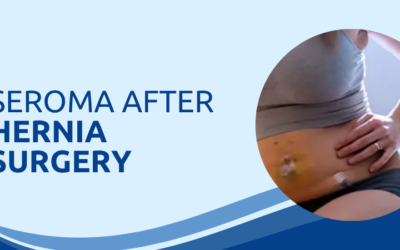
Seroma After Hernia Surgery: Causes, Symptoms and Treatment
Hernia surgery is performed to repair weakened areas of the abdominal wall and reduce the risk of recurrence. Although modern surgical techniques are safe and effective, some patients may develop a fluid-filled swelling called a seroma after hernia surgery. Although...
Mesh Pain After Hernia Surgery: When Is It Serious?
Mild mesh site pain after hernia surgery is expected and resolves within a few weeks. Pain that worsens, returns after a pain-free period, or comes with fever, redness, discharge, or new bowel symptoms needs prompt evaluation these patterns suggest mesh infection,...
Hernia Mesh Infection: Symptoms, Diagnosis and Treatment
Hernia repair surgery is one of the most commonly performed procedures to strengthen weakened abdominal muscles and prevent hernias from returning. In some cases, surgical mesh is used for added support, but bacteria may rarely infect the implanted mesh, causing a...
Can High Anal Fistula Be Treated Without Cutting?
A high anal fistula can be treated without cutting the sphincter muscle. Sphincter-sparing techniques close the fistula tract without dividing the muscle it runs through. Traditional fistulotomy is the most effective single procedure but for a high fistula, it carries...
What Is the Recurrence Rate of Pilonidal Sinus?
Recurrence after pilonidal sinus surgery ranges from five to twenty-five percent, and the primary determinant is surgical technique, not hygiene or luck. Midline closure carries one of the highest recurrence rates because the wound sits directly in the natal cleft...
How Quickly Can You Return to Work After Hernia Surgery?
Desk-based work is typically resumable within three to seven days after inguinal hernia repair; manual labour requires two to four weeks, sometimes longer with an open repair. Surgical technique explains only part of the variation patient expectations, pain tolerance,...
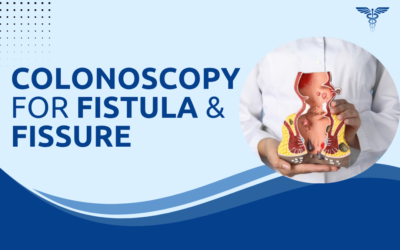
Does Colonoscopy Detect Fistula and Fissure Causes?
Colonoscopy doesn't diagnose a fistula or fissure directly; MRI, endoanal ultrasound, or clinical examination does that. What colonoscopy establishes is whether the problem is local or part of a broader condition like Crohn's disease or ulcerative colitis. That...
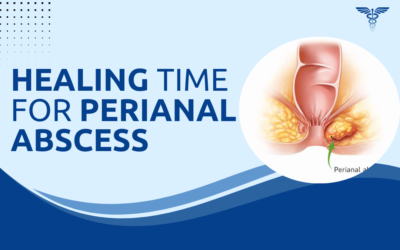
How Long Does a Perianal Abscess Take to Heal?
A perianal abscess typically heals within two to four weeks after drainage, closing gradually rather than sealing right away. Antibiotics alone don't resolve it; drainage comes first, and the timeline depends on size, location, and wound care. The bigger concern isn't...
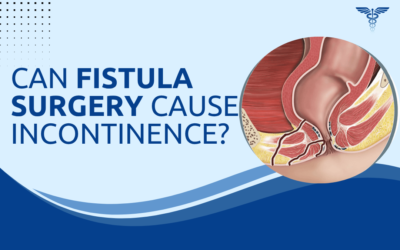
Can Fistula Surgery Cause Incontinence?
Fistula surgery can cause incontinence, an important risk to understand before choosing a procedure. Reported rates range from about ten to over forty percent, depending on the fistula type, sphincter involvement, and technique used. A simple, low fistula treated with...
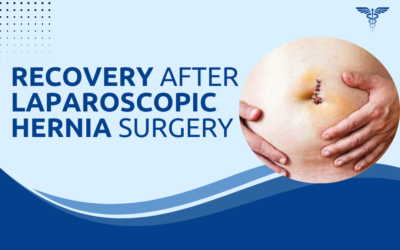
How Many Days Rest After Laparoscopic Hernia Surgery?
Laparoscopic hernia surgery, patients need only one to two days of true rest before resuming light activity and can typically return to desk-based work within two to three days, a clear advantage over open repair, which usually requires one to two weeks away from...
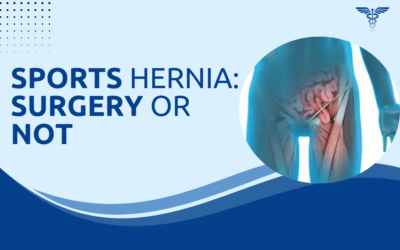
Can a Sports Hernia Heal Without Surgery?
A sports hernia is not a true hernia. No organ protrudes; instead, muscles, tendons, or aponeurotic structures of the lower abdomen and groin tear, most often at the rectus abdominis or adductor longus attachment to the pubic bone. Rest alone does not reknit torn...
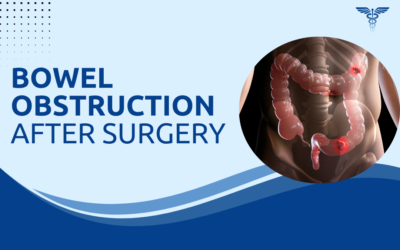
Can Post-Surgery Adhesions Cause Bowel Obstruction?
Post-surgery adhesions are the leading cause of small bowel obstruction, accounting for over 60% of cases. Fibrous scar tissue forms between organs and the abdominal wall after almost every open abdominal operation, but most adhesions remain silent. When one tightens...
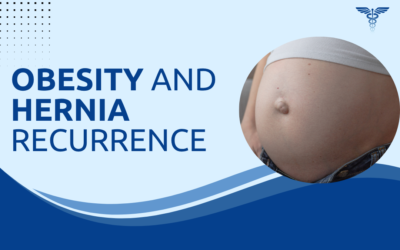
Why Do Obese Patients Have Higher Hernia Recurrence?
Obesity is an independent risk factor for hernia recurrence, confirmed across multiple large studies regardless of repair technique or mesh use. Each unit increase in BMI above normal carries a measurable rise in recurrence rate, with severely obese patients facing...
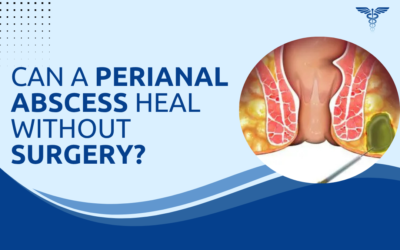
Can a Perianal Abscess Heal Without Surgery?
A perianal abscess does not resolve on its own in most cases. It is a collection of pus in the tissue around the anus, driven by infection that has no natural exit. Without drainage, the pressure builds, the infection spreads into surrounding tissue planes, and the...
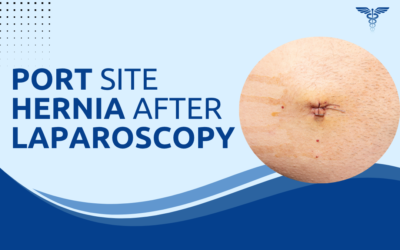
What Is a Port Site Hernia After Laparoscopy?
Port site hernias occur when abdominal tissue or bowel pushes through a weak spot at a laparoscopic incision site. The wound may look healed on the outside, but if the fascia underneath wasn't closed properly, a gap remains.Most patients don't expect this after...
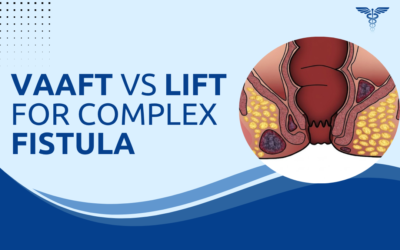
VAAFT vs LIFT: Which Is Better for Complex Fistula?
VAAFT and LIFT are both sphincter-sparing techniques for complex anal fistula. Neither is universally better; VAAFT holds a slight edge in failure rates, LIFT in simplicity and cost. Direct comparative studies show no significant differences in continence outcomes,...
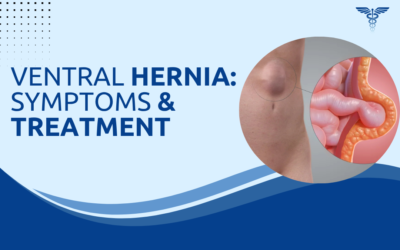
What Is a Ventral Hernia and How Is It Treated?
A ventral hernia is a protrusion of abdominal contents through a weakness in the front wall of the abdomen. It does not resolve on its own. The fascial defect does not close spontaneously it enlarges over time, and the risk of serious complications increases the...
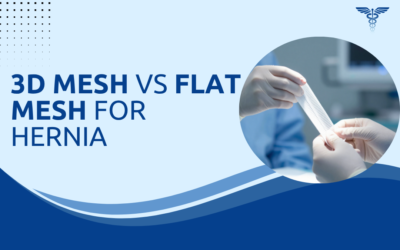
3D Mesh vs Flat Mesh: Which Is Better for Hernia?
Both are synthetic mesh options for hernia repair but they work differently. 3D mesh has a preformed anatomical shape that conforms to the myopectineal orifice without requiring fixation tacks. Flat mesh is a planar sheet placed over the defect and fixed with sutures...
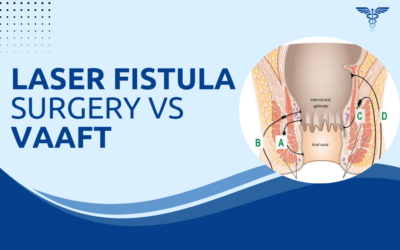
Laser Fistula Surgery vs VAAFT: Which Has Better Results?
VAAFT has better results in comparative data. Network meta-analysis across 3,520 patients shows VAAFT failure rate at 22.3 percent versus 43.9 percent for laser fistula closure. Both are sphincter-sparing, both preserve continence, and both are day-care procedures....
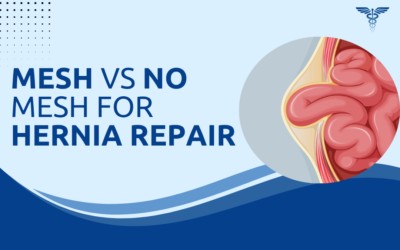
Mesh vs No Mesh: Which Is Better for Hernia Repair?
Mesh is better for most hernias. It reinforces the fascial defect rather than pulling weakened tissue together under tension, reducing recurrence rates from eight to fifteen percent with suture repair down to one to three percent with mesh. Mesh doesn't fail on its...
Is Day Care Surgery Safe for High-Risk Patients?
Yes, with proper patient selection and pre-operative assessment. Controlled comorbidities are compatible with day care surgery in experienced centres. The risk isn't the comorbidity alone. It's the combination of comorbidity, procedure complexity, anaesthetic...
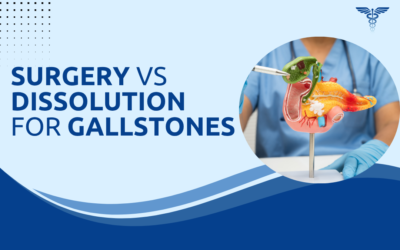
Gallbladder Surgery vs Stone Dissolution: Which Is Better?
Surgery is better for most patients with symptomatic gallstones. Laparoscopic cholecystectomy removes the gallbladder permanently, eliminates recurrence, and is a day-care procedure with a two-week recovery. Stone dissolution using ursodeoxycholic acid only works for...
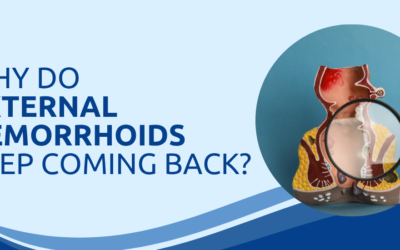
Why Do External Hemorrhoids Keep Coming Back? | Causes & Fixes
You finally felt relief, and then the discomfort showed up again. For many people, external hemorrhoids feel like a problem that just refuses to stay solved. The bleeding settles, the swelling fades, and within weeks or months, the same nagging symptoms return. It is...
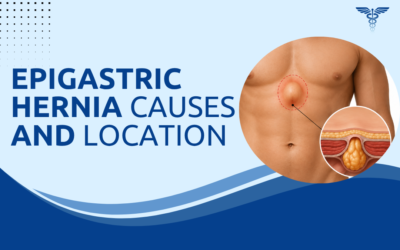
What Is an Epigastric Hernia and Where Does It Appear?
An epigastric hernia is a protrusion of preperitoneal fat through a weakness in the linea alba, the fibrous midline band between the navel and breastbone. The defect is usually small and tight. Most contain fat, not bowel. That tight defect is what generates pain...
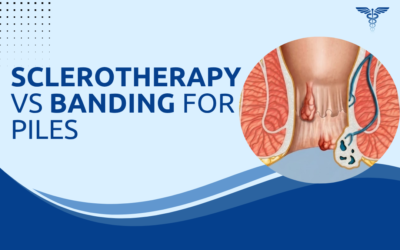
Sclerotherapy vs Rubber Band Ligation for Piles: Which?
Sclerotherapy and rubber band ligation are both office procedures for Grade 1 and Grade 2 internal piles, performed without anaesthesia or hospital admission. Sclerotherapy injects a chemical solution to shrink haemorrhoidal tissue. Banding places an elastic band at...
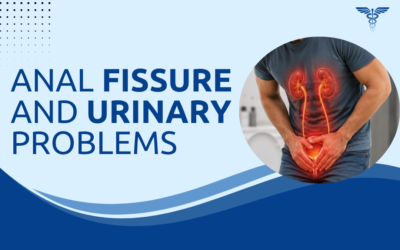
Can Anal Fissure Cause Urinary Problems?
Fissure pain and urinary difficulty are linked through shared pelvic floor innervation. Severe perianal pain triggers generalised pelvic floor spasm, which compresses the urethra and restricts urinary flow. Hesitancy, incomplete voiding, difficulty initiating. All...
Top 7 Ways to Get Rid of Hemorrhoids
Hemorrhoids are one of the most common conditions affecting adults across all age groups. They are swollen blood vessels in and around the anal region that cause pain, bleeding, itching, and persistent discomfort. While many cases settle with simple home care and the...
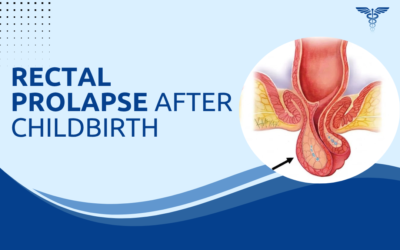
What Is Rectal Prolapse After Childbirth?
Rectal prolapse after childbirth is the full rectal wall sliding through the anus, not piles. Both protrude at the anus and both bleed, but the underlying structure is different. Prolonged second-stage labour, instrumental delivery, and multiple vaginal deliveries...
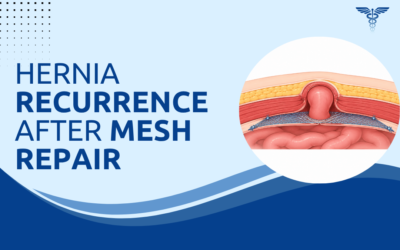
Can a Hernia Come Back After Mesh Repair?
Hernia recurrence after mesh repair happens in one to three percent of cases. Modern mesh techniques have brought that figure down significantly from the eight to ten percent seen with suture-only repairs. When recurrence does occur, it's rarely the mesh that fails....
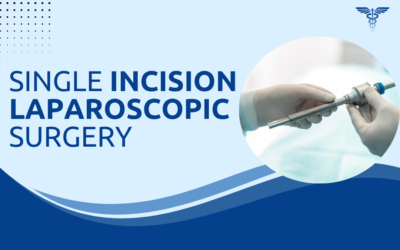
What Is Single Incision Laparoscopic Surgery?
Single incision laparoscopic surgery performs the same operation as standard laparoscopy through one umbilical incision instead of three to five. Everything enters and exits the same point. No visible scar once healed. The steps don't change. The geometry does, and...
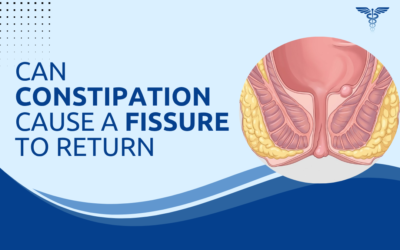
Can Constipation Cause a Fissure to Return?
Constipation and fissure recurrence are directly linked. Hard stools re-tear healed anal mucosa with every bowel movement, which is why a fissure that closed completely can reopen weeks later without any other explanation. The fissure closes, constipation returns, the...
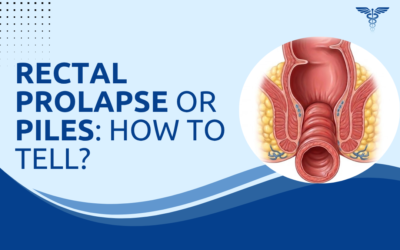
Rectal Prolapse or Piles: How to Tell?
Rectal prolapse and piles are not the same condition. Piles are swollen veins in the anal canal that prolapse outward in higher grades. Rectal prolapse is the full thickness of the rectal wall sliding through the anus, a structural failure of the pelvic floor rather...
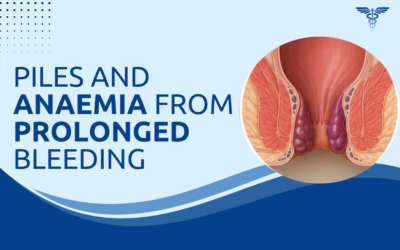
Can Piles Cause Anaemia From Prolonged Bleeding?
Piles cause anaemia through attrition. Internal haemorrhoids bleed with every bowel movement small amounts each time, but relentless. Over weeks and months, iron stores deplete, red cell production falls, and iron deficiency anaemia takes hold. Patients rarely connect...
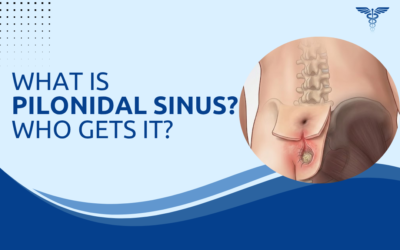
What Is Pilonidal Sinus? Who Gets It?
Pilonidal sinus is a small channel or cyst in the natal cleft containing hair, debris, and infected material. The body treats trapped hair as a foreign object, mounts an inflammatory response, and a chronic tract forms. That tract gets infected, drains, settles, then...
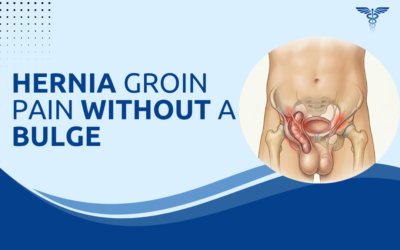
Can a Hernia Cause Groin Pain Without a Visible Bulge?
An inguinal hernia doesn't need a visible bulge to cause groin pain. Occult hernias create mechanical stress on surrounding tissue without any external protrusion. Pain worsens with activity and settles with rest. Many patients manage it as a muscle strain for months....
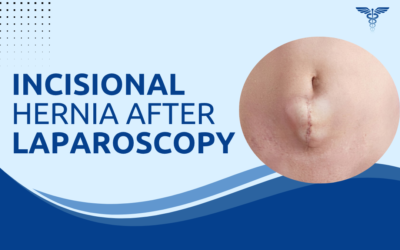
Incisional Hernia After Laparoscopic Surgery: How Common Is It?
Interval appendectomy is the planned removal of the appendix six to eight weeks after an appendicular mass or abscess has settled on antibiotics. Operating immediately through active inflammation carries a high risk of bowel injury and bleeding. Antibiotics control...
Interval Appendectomy: Why Some Patients Need Delayed Surgery?
Interval appendectomy is the planned removal of the appendix six to eight weeks after an appendicular mass or abscess has settled on antibiotics. Operating immediately through active inflammation carries a high risk of bowel injury and bleeding. Antibiotics control...
Appendicitis in Children vs Adults: How Symptoms Differ?
Appendicitis affects both age groups but behaves differently in each. Adults typically follow the classic pattern: pain starts near the navel, migrates to the right lower abdomen over a few hours, and the clinical picture becomes clear enough for a confident...
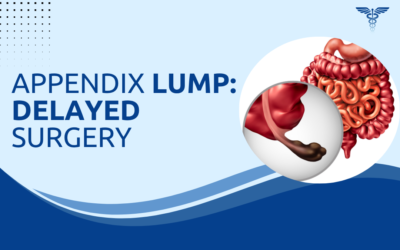
Appendix Lump: What Happens When Surgery Gets Delayed?
An appendix lump, or appendicular mass, forms when inflamed appendix tissue adheres to surrounding bowel and omentum, containing the infection instead of rupturing freely. The lump is palpable in the right lower abdomen, tender, and typically accompanied by fever and...
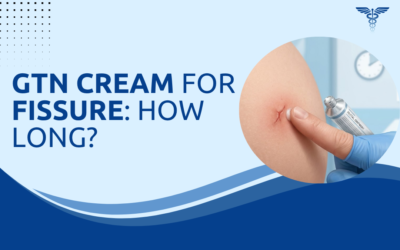
GTN Ointment for Fissure: How Long Should You Use It?
GTN ointment is applied twice daily for six to eight weeks for anal fissures. It releases nitric oxide into the anal canal, relaxing the internal sphincter, dropping resting anal pressure, and improving blood supply to the wound base. Around 50 to 70% of acute...
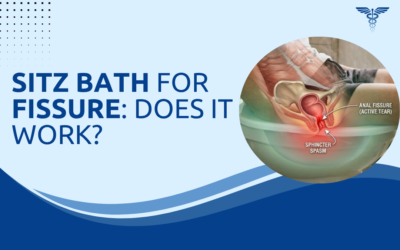
Sitz Bath for Fissure: Does It Work?
Sitz baths work for anal fissures, but within defined limits. Warm water soaking reduces internal sphincter spasm, improves blood circulation to the wound base, and lowers pain enough to break the fear-of-defaecation cycle that makes fissures worse. For acute...
Chronic vs Acute Anal Fissure: How Treatment Differs?
An acute fissure is a fresh tear in the anal lining, usually under six weeks old. It's painful, bleeds sometimes, and in a good number of cases heals on its own with the right diet and topical treatment. A chronic fissure has been there longer. The skin's tried to...
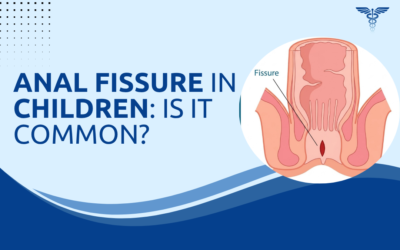
Anal Fissure in Children: Is It Common?
Anal fissures rank among the most frequently seen anorectal problems in infants and toddlers. Nearly always caused by constipation or passage of hard stools, they present as a small tear in the anal mucosa with bleeding and pain on defaecation. Most don't need...
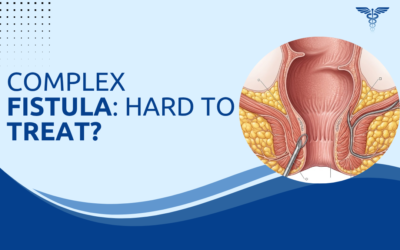
Complex Fistula: Hard to Treat?
Surgery fixes most fistulas. Clean tract, internal opening closed, done. But a subset of cases just don't behave that way. The tract runs through the sphincter muscle, or it branches into paths that don't show up without imaging, or the patient's already had one...
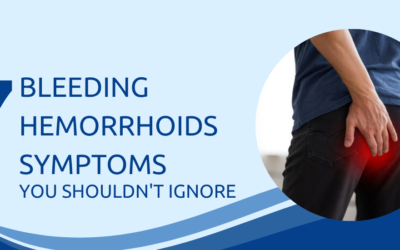
7 Bleeding Hemorrhoids Symptoms You Shouldn’t Ignore
Bleeding hemorrhoids happen when swollen veins inside or around the anus get irritated enough to leak blood. Most people spot it first as a streak of red on toilet paper, and it can feel alarming. In a lot of cases, though, that bleeding points to a hemorrhoid rather...
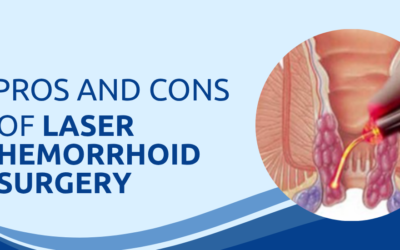
Pros and Cons of Laser Hemorrhoid Surgery
Hemorrhoids are a common condition that can significantly affect daily comfort and quality of life. Laser hemorrhoid surgery has emerged as a modern, minimally invasive option for managing them. Rather than using a conventional blade, the procedure delivers a focused...
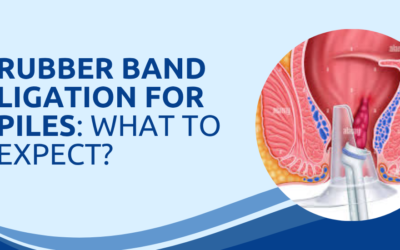
Rubber Band Ligation for Piles
Piles, or hemorrhoids, are swollen veins in the rectum or anus that cause pain, itching, and bleeding. They can result from prolonged sitting, pregnancy, constipation, or a low-fiber diet. While many cases can be managed with lifestyle changes, some may require...
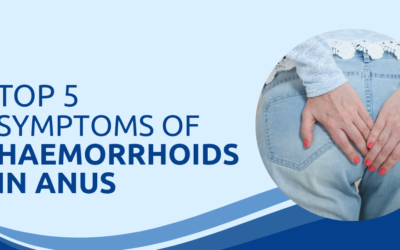
Haemorrhoids in Anus
Haemorrhoids, also known as piles, are swollen veins located in or around the anus or lower rectum. They are a common condition that can cause discomfort, pain, and irritation. In some cases, haemorrhoids may resolve with simple lifestyle changes, but more severe...
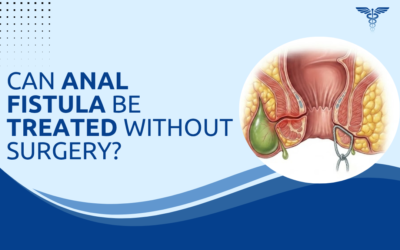
Can Anal Fistula Be Treated Without Surgery?
No, antibiotics cannot cure an anal fistula. They handle the infection around it. The tract itself stays put. That tunnel between the anal canal and the skin doesn't close because a pill tells it to, and gut bacteria keep wandering back in. Surgery is what shuts it...
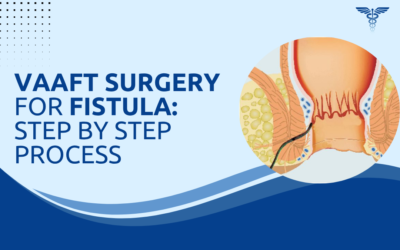
VAAFT Surgery for Fistula: Step by Step Process
Video-Assisted Anal Fistula Treatment (VAAFT) is a minimally invasive, sphincter-saving procedure used to treat complex anal fistulas. It's done under spinal or general anaesthesia and uses a fistuloscope for direct 360-degree visualisation of the tract. The procedure...

MRI Before Fistula Surgery: Why Is It Important?
An MRI is performed before fistula surgery to provide a highly detailed 3D roadmap of the pelvic region. It is the gold-standard imaging modality for mapping hidden tracts, identifying secondary branches, and locating undrained abscesses, all of which directly...
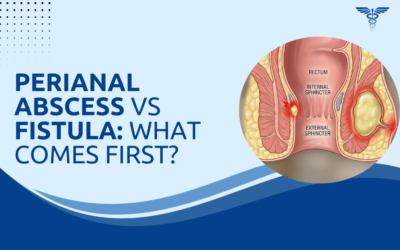
Perianal Abscess vs Fistula: What Comes First?
A perianal abscess almost always develops first. It's an acute, painful, pus-filled infection in the tissue near the anus, caused by a blocked or infected anal gland. When the abscess bursts on its own or gets surgically drained, a small abnormal tunnel often remains,...
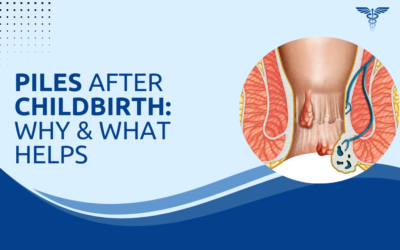
Piles After Childbirth: Why & What Helps?
Piles after delivery are swollen blood vessels in the rectum and anus that develop due to the physical pressure of pregnancy and intense pushing during labour, frequently worsened by postpartum constipation. Postpartum hemorrhoids affect nearly 25 to 35 percent of...
Can Spicy Food Make Piles Worse?
Spicy food doesn't directly cause piles. But if you've already got hemorrhoids, spicy meals can irritate swollen rectal veins and make burning, itching, and bowel movements way more painful. Capsaicin's the culprit. It's the heat compound in chillies, and the gut...
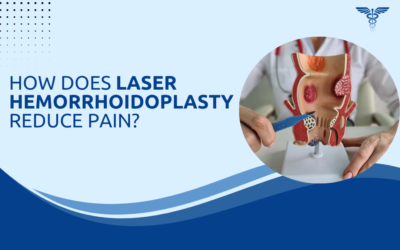
How Does Laser Hemorrhoidoplasty Reduce Pain?
Laser hemorrhoidoplasty reduces pain by shrinking hemorrhoids with precise laser energy, without cutting or removing the sensitive skin sitting over them. That's the short answer. The tissue-sparing approach keeps trauma low, the laser seals vessels as it works so...
Bleeding From Piles: When Is It a Red Flag?
Bright red blood on toilet paper after a bowel movement is usually a sign of piles, but bleeding can also point to more serious conditions. Seek immediate medical care if the bleeding is heavy or continuous, if you feel dizzy, lightheaded, or faint, or if the blood is...
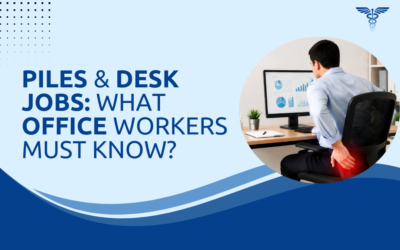
Piles & Desk Jobs: What Office Workers Must Know?
Prolonged sitting in desk jobs heavily raises the risk of piles, also called hemorrhoids. Sitting for hours puts steady pressure on the rectal veins, slows blood flow and lets blood pool in the area, which weakens the surrounding muscles and anal cushions. Office...
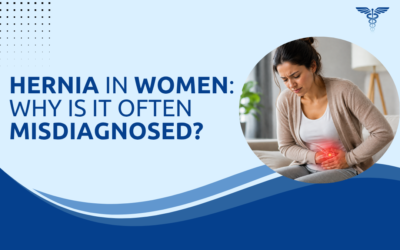
Hernia in Women: Why Is It Often Misdiagnosed?
Hernias in women are frequently misdiagnosed because they present without the classic, visible bulges commonly seen in men. Women feel deep pelvic pain that looks a lot like other things, so the diagnosis drifts. Female hernias run smaller. They sit deeper. And they...
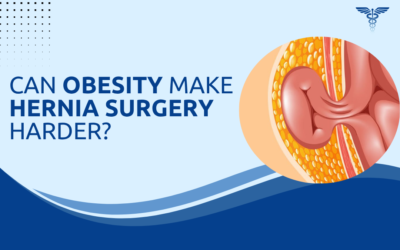
Can Obesity Make Hernia Surgery Harder?
Yes, obesity makes hernia surgery significantly harder. Extra body weight bumps up intra-abdominal pressure, which strains the repair and forces the surgeon to work around tissue that doesn't cooperate. Operative time stretches out. Blood loss goes up. Wound...
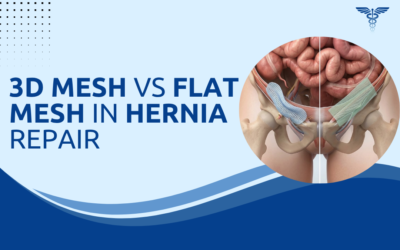
3D Mesh vs Flat Mesh in Hernia Repair: What Works Better?
3D mesh generally works better than flat mesh in hernia repair because it lowers chronic pain risk, reduces complications and shortens recovery time. The contoured shape fits the inguinal anatomy without sutures or tacks, which limits mesh migration and prevents the...
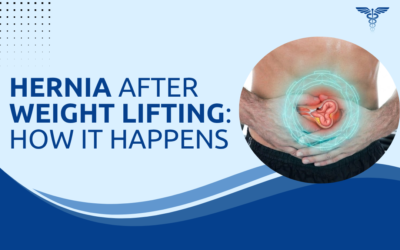
Hernia After Weight Lifting: How Does It Happen?
A hernia happens after weight lifting when high intra-abdominal pressure pushes intestines or fatty tissue through a weak spot in the abdominal wall. Repeated strain, often paired with poor lifting technique, gradually thins the muscle layers or causes a sudden tear...
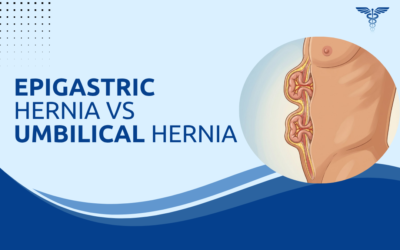
Epigastric Hernia: Is It Different From Umbilical Hernia?
Yes, epigastric hernias are different from umbilical hernias primarily in their location. Epigastric hernias occur in the upper abdomen between the navel and breastbone, whereas umbilical hernias occur directly at the belly button. Both result from abdominal wall...
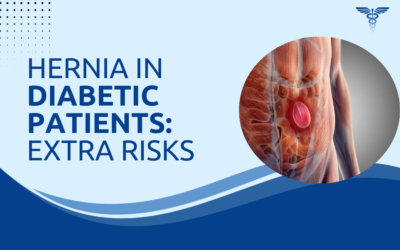
Hernia in Diabetic Patients: What Are the Extra Risks?
Diabetic patients with a hernia face significant extra risks, mostly from poor wound healing, weaker immunity, and the microvascular damage that high blood sugar quietly causes over years. Hernia repairs are generally successful, but diabetic patients carry a...
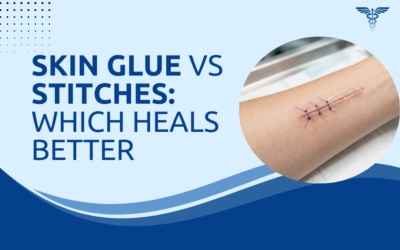
Skin Glue vs Stitches for Wound Closure: Which Heals Better?
Skin glue gives better cosmetic results, less pain, and lower infection rates on minor, clean, low-tension cuts. Stitches win on deep, jagged, or high-tension wounds that need real structural hold. Glue's faster, waterproof, and you don't come back to get it removed....
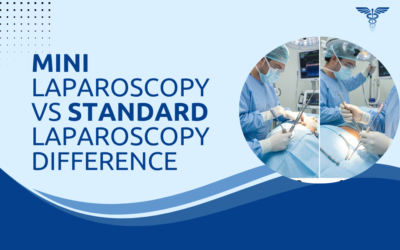
Mini Laparoscopy vs Standard Laparoscopy: What Is the Difference?
Mini laparoscopy and standard laparoscopy are both minimally invasive, but they differ mainly in instrument size and, as a result, pain levels and cosmetic outcomes. Mini laparoscopy uses needlescopic instruments under 3mm, leaving scars that are often invisible, with...
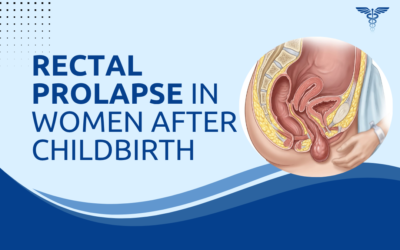
Rectal prolapse in women: why is it more common after childbirth?
Rectal prolapse shows up more in women after childbirth because vaginal delivery stretches the pelvic floor muscles, damages the pudendal nerve, and tears the connective tissue holding the rectum in place. That's the short version. Pregnancy hormones like relaxin and...
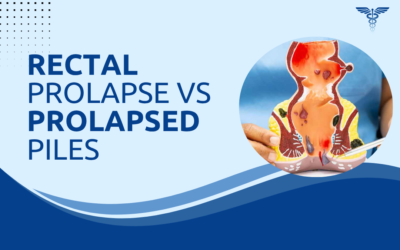
Rectal Prolapse vs Prolapsed Piles: How to Tell the Difference?
Rectal prolapse is when the actual rectum slides out through the anus, and the protruding tissue shows concentric circular rings on its surface. Prolapsed piles are swollen veins, and they slip out as separate, flesh-coloured lumps that radiate around the anal...
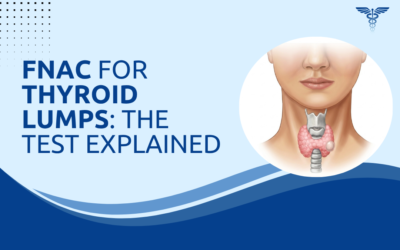
FNAC for Thyroid Lumps: What Happens During the Test?
Fine Needle Aspiration Cytology (FNAC) for thyroid lumps is a quick, minimally invasive, outpatient procedure, often ultrasound-guided, that uses a thin needle to sample cells from a nodule to determine if it is benign or malignant. The procedure takes less than 20...
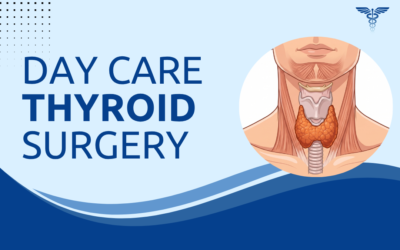
Day Care Thyroid Surgery: Going Home the Same Day Is Now Possible?
Day care thyroid surgery, where patients go home on the same day as their procedure, is now a safe and widely practiced option for both partial and total thyroidectomy. Better anaesthesia, smaller instruments, and improved bleeding control have changed what's...
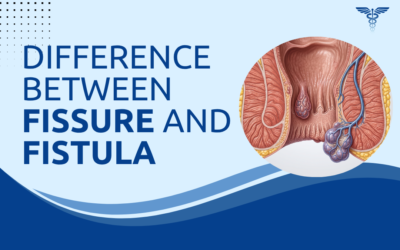
Difference Between Fissure and Fistula?
An anal fissure is a small tear or crack in the lining of the anal canal that causes sharp cutting pain and bright red bleeding during bowel movements. An anal fistula is an abnormal tunnel forming between the inside of the anal canal and the skin near the anus,...
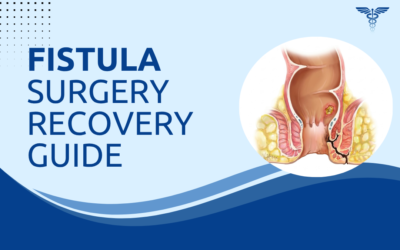
Fistula Surgery Recovery: Diet and Activity Guide?
Recovery after fistula surgery requires soft regular bowel movements to prevent strain on the wound, strict hygiene to lower infection risk and protein-rich nutrition for tissue repair. First seven to ten days need proper rest. Complete healing takes three to six...
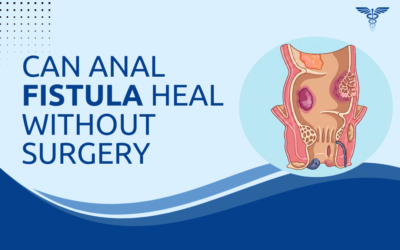
Can Anal Fistula Heal Without Surgery?
Anal fistulas rarely heal without surgery because the tract develops its own lining that prevents natural closure. A small superficial fistula might drain less temporarily with antibiotics and sitz baths, but the channel almost always persists. Untreated fistulas lead...
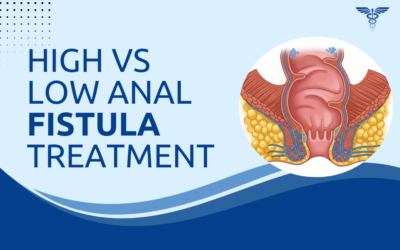
High vs Low Anal Fistula: What Is the Difference in Treatment?
Low anal fistulas involving the lower third of the sphincter are generally treated with fistulotomy, a straightforward procedure that lays the tract open and carries success rates above 90%. High anal fistulas involving the upper two-thirds of the sphincter are more...
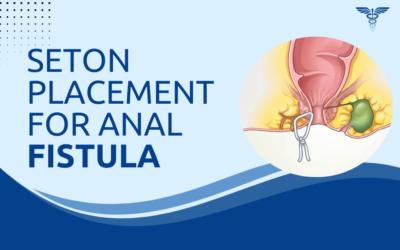
What Is Seton Placement for Anal Fistula?
Seton placement for anal fistula is a surgical procedure where a piece of surgical thread, silicone loop or rubber band is passed through the fistula tract to keep it open and draining. It's primarily used for complex, high or deep fistulas, particularly in Crohn's...
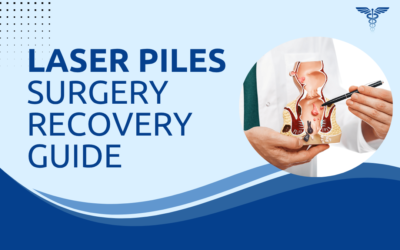
Laser Piles Surgery Recovery Week by Week Guide?
Laser piles surgery recovery takes three to four weeks for complete healing, with most patients returning to light activities within one to two weeks. The procedure involves minimal tissue damage, reducing pain significantly. Key recovery steps include stool...
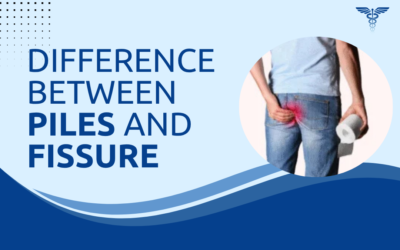
Difference Between Piles and Fissure?
Piles and fissures both affect the anal region but they're fundamentally different conditions with different causes and different treatments. Piles are swollen blood vessels inside or around the anal canal that bleed, itch and sometimes prolapse outward. A fissure is...
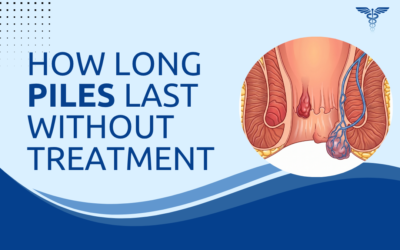
How Long Do Piles Last Without Treatment?
Mild piles usually clear up on their own somewhere between a few days and one week. Grade 2 haemorrhoids can hang around for several weeks when bowel habits and diet aren't sorted. Grade 3 and 4 piles almost never settle without medical help and they often drag on for...
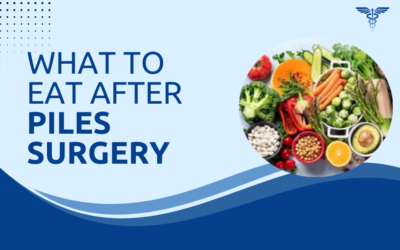
What to Eat After Piles Surgery: A Recovery Diet Guide?
After piles surgery, a recovery diet built around high fibre foods, adequate hydration and soft meals keeps stools soft, prevents straining and protects the surgical wound from reopening. Papaya, oats, cooked vegetables, buttermilk and 8 to 10 glasses of water daily...
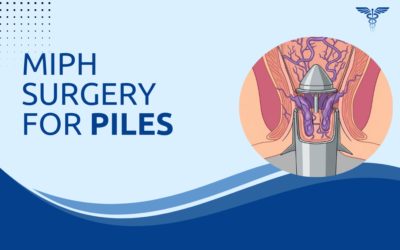
MIPH Surgery for Piles and How It Works?
MIPH, short for Minimally Invasive Procedure for Hemorrhoids, is a stapled technique used on grade 3 and grade 4 piles. A circular stapler cuts out a ring of stretched tissue and pulls prolapsed hemorrhoids back inside the anal canal. Less pain than open surgery....
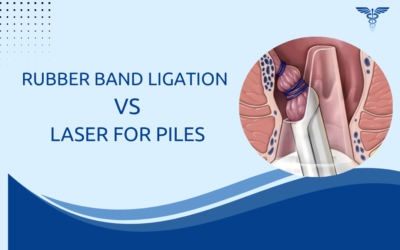
Rubber Band Ligation vs Laser for Piles: Which Works Better?
Laser haemorrhoidoplasty is generally considered the better option over rubber band ligation for piles treatment. It causes significantly less post-operative pain, fewer complications and faster recovery. Both work for grade 2 hemorrhoids but laser handles grade 3 and...
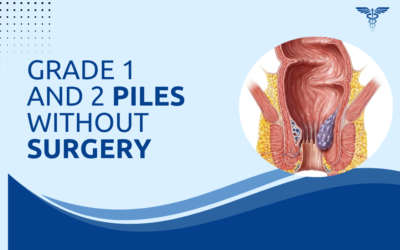
Grade 1 and 2 Piles Can Be Treated Without Surgery?
Grade 1 and 2 piles are commonly treated without surgery using lifestyle changes, diet modifications and non-invasive procedures. Effective methods include fibre-rich diets, high water intake, sitz baths and topical medication. Office-based procedures like rubber band...
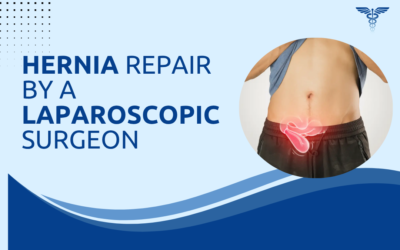
Day Surgery vs Inpatient Stay for Hernia Repair?
Day surgery is the standard, safe approach for most elective hernia repairs, allowing patients to go home the same day with faster recovery and fewer complications. Inpatient stays are reserved for complex or large hernias and patients with underlying health...
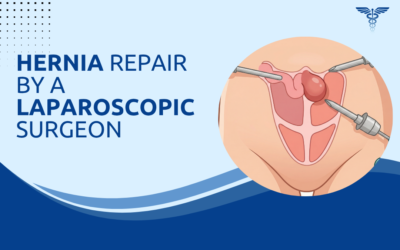
Laparoscopic Hernia Repair Outcomes Depend on Surgical Skill and Training?
Laparoscopic hernia repair outcomes are directly tied to surgical volume and training given the procedure's steep learning curve and unfamiliar posterior anatomy. Surgeons completing 50 to 100 cases consistently show recurrence rates below 1%. Structured fellowship...
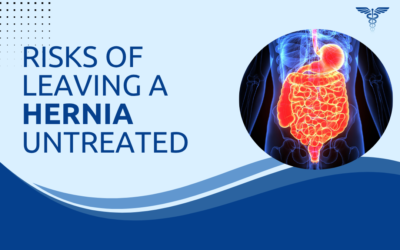
Risks of Leaving a Hernia Untreated for Years?
A hernia doesn't heal. Left alone for years it grows and the risks stack up fast — incarceration strangulation bowel obstruction intestinal perforation sepsis and surgery that's far harder than it needed to be. Most people wait too long. And that waiting is exactly...
What Happens If a Hernia Is Left Untreated for Years?
Preparing for hernia surgery means stopping blood thinners 5–7 days out, fasting 6–8 hours before admission and making sure someone can actually take you home after. You'll also need blood tests and an ECG done well in advance, loose clothes for surgery day and a home...
How Long Does Laparoscopic Hernia Surgery Take?
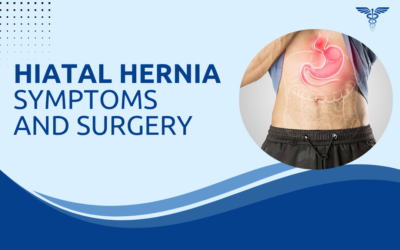
A hiatal hernia is what happens when part of the stomach squeezes up through the diaphragm into the chest cavity. Some people get heartburn from it. Others deal with acid washing back up, chest pain, or food that just won't go down easily. Small ones? Usually not a...
What Is a Hiatal Hernia and When Does It Need Surgery?
Upper stomach slides into the chest through a gap in the diaphragm. That is a hiatal hernia. Acid backs up. Heartburn won't quit. Chest feels tight after meals. Food gets stuck mid-swallow sometimes. When tablets stop handling any of this, or the stomach gets...
Laparoscopic vs Open Hernia Surgery: Safety and Outcome Compared
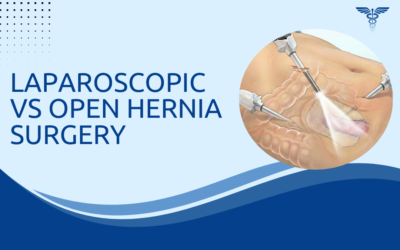
Three small ports instead of one long incision. That single difference changes infection risk, pain levels, and how fast a patient gets back to normal life after hernia repair. Most patients are doing light work again within five to seven days. " For bilateral and...
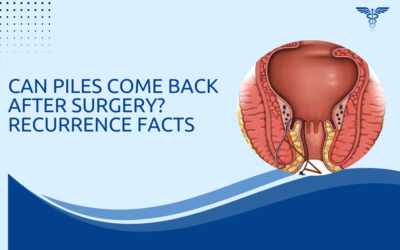
Can Piles Come Back After Surgery? Recurrence Facts
Yes piles can recur after surgery. Recurrence rates vary significantly by procedure. Conventional haemorrhoidectomy has the lowest recurrence at 2% to 5% over five years. Stapled haemorrhoidopexy recurs in 8% to 26% of cases depending on technique and grade treated....
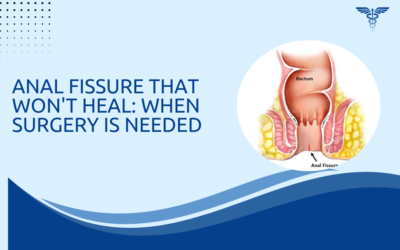
Anal Fissure That Won’t Heal: When Surgery Is Needed
An anal fissure that hasn't healed after eight weeks of proper medical treatment is a chronic fissure. Topical nitrates and calcium channel blockers heal roughly 50% to 70% of acute fissures. The ones that don't respond have elevated internal sphincter tone that...
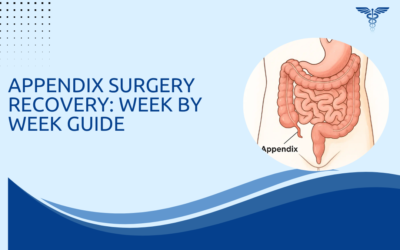
Appendix Surgery Recovery: Week by Week Guide
Laparoscopic appendix surgery recovery takes two to four weeks for most patients. Open appendectomy for ruptured or complicated cases takes four to six weeks. Most laparoscopic patients go home the same day or within twenty-four hours. Significant pain resolves within...
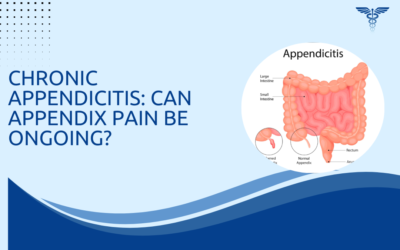
Chronic Appendicitis: Can Appendix Pain Be Ongoing?
Yes. Appendix pain can be ongoing for weeks or months. Chronic appendicitis is a real condition where the appendix is mildly inflamed over a prolonged period rather than acutely obstructed in the way classic appendicitis presents. Symptoms are intermittent, often mild...
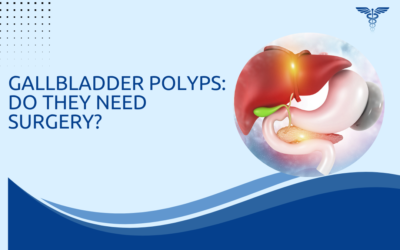
Gallbladder Polyps: Do They Need Surgery?
Most gallbladder polyps don't need surgery. Polyps under 10mm in patients with no risk factors are monitored with serial ultrasound rather than removed immediately. Polyps over 10mm, polyps growing on repeat scans, polyps in patients with primary sclerosing...
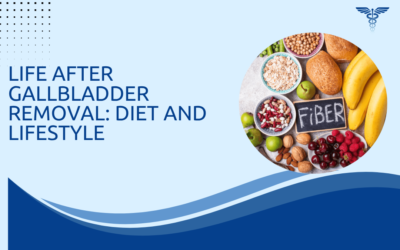
Life After Gallbladder Removal: Diet and Lifestyle
After gallbladder removal the body needs time to adjust to continuous bile flow because the liver now delivers bile directly into the small intestine instead of storing it. A low fat high fibre diet with smaller frequent meals manages the diarrhoea and bloating. Avoid...
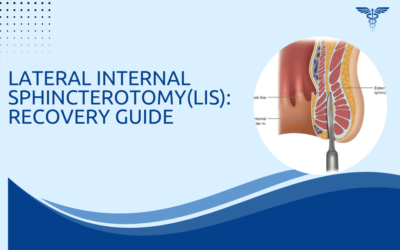
Lateral Internal Sphincterotomy (LIS): Recovery Guide.
LIS recovery typically takes four to six weeks for full healing with significant pain relief within one to two weeks of surgery. The procedure divides a small portion of the internal anal sphincter to relieve the elevated tone causing chronic anal fissure. Most...
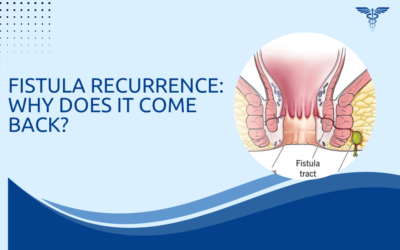
Fistula Recurrence: Why Does It Come Back?
Anal fistula recurrence occurs in 7% to 21% of cases. The most common reasons are incomplete removal of the tract, failure to identify and close the internal opening during surgery and complex branching anatomy that wasn't fully mapped before the first operation....
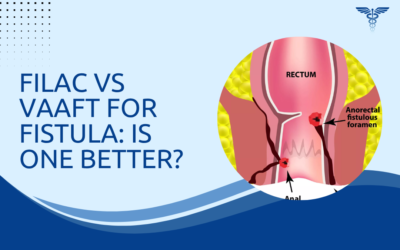
FiLaC vs VAAFT for Fistula: Is One Better?
FiLaC uses a radial laser probe to obliterate the fistula tract from inside using thermal energy. VAAFT uses a miniature camera to visualise the tract internally, destroy the epithelium under direct vision and close the internal opening. Both are sphincter-preserving....
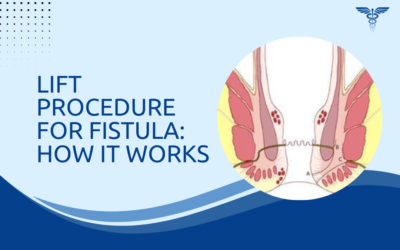
LIFT Procedure for Fistula: How It Works
LIFT stands for Ligation of the Intersphincteric Fistula Tract. It treats trans-sphincteric anal fistulas by accessing the tract between the internal and external sphincter muscles, dividing and ligating it there, then curetteing the remaining tract. No sphincter...
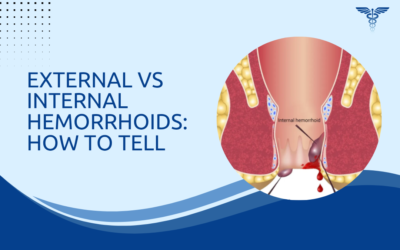
External vs Internal Hemorrhoids: How to Tell
External hemorrhoids occur under the skin around the anus and cause pain, itching, burning and palpable lumps. Internal hemorrhoids form inside the rectum. Usually painless. The primary symptom is bright red blood on toilet tissue or in the bowl. External ones are...
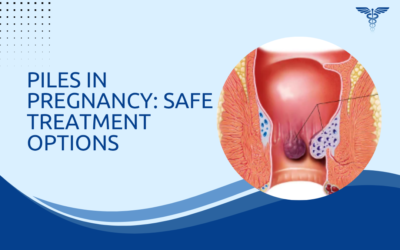
Piles in Pregnancy: Safe Treatment Options
Piles during pregnancy are incredibly common. The growing uterus puts direct pressure on the rectal veins. Constipation from pregnancy hormones makes straining worse. And the result is swollen painful hemorrhoids that nobody warned about during antenatal appointments....
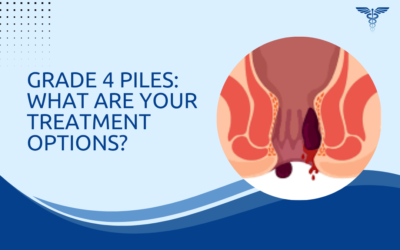
Grade 4 Piles: What Are Your Treatment Options?
Grade 4 is the most advanced stage. The hemorrhoids are permanently prolapsed outside the anal canal and can't be pushed back in . Diet changes won't fix this. Medications won't fix this. Rubber band ligation won't touch it. Surgery is the only real option at grade 4...
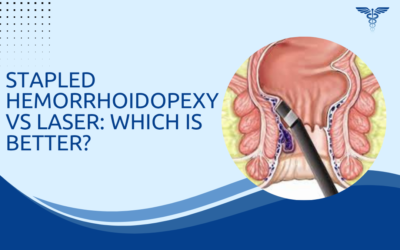
Stapled Hemorrhoidopexy vs Laser: Which Is Better?
Stapled hemorrhoidopexy works best for prolapsed internal piles that have moved outside the anal canal. Laser works best for smaller internal hemorrhoids, where minimal tissue removal with fast healing is the priority. The right choice depends entirely on the grade,...
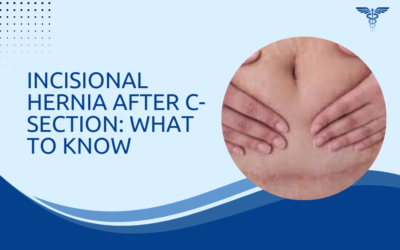
Incisional Hernia After C-Section: What to Know
A bulge appearing near a C-section scar months or even years after delivery is incisional hernia until proven otherwise. The abdominal wall gets cut during a caesarean and that cut site is a permanent weak point. Most heal without issue. But in some women that...
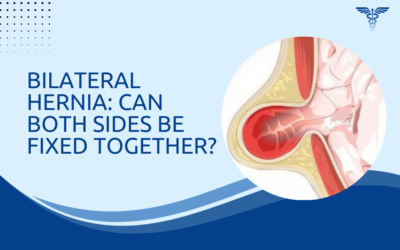
Bilateral Hernia: Can Both Sides Be Fixed Together?
Yes. Both sides fixed in one procedure. One anaesthesia. One recovery. Home the same day in most cases. That's genuinely what bilateral hernia repair looks like with laparoscopic surgery today. People assume fixing both sides means twice the surgery and twice the...
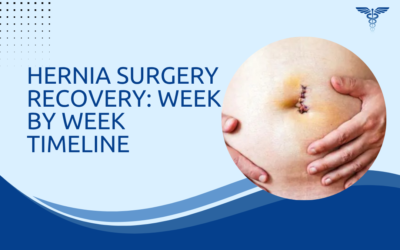
Hernia Surgery Recovery: Week by Week Timeline
Most people go home the same day. That part surprises almost everyone. But going home same day doesn't mean fully recovered same day and that gap is where most post-surgery problems quietly get created. The mesh needs weeks to properly integrate. The abdominal wall...
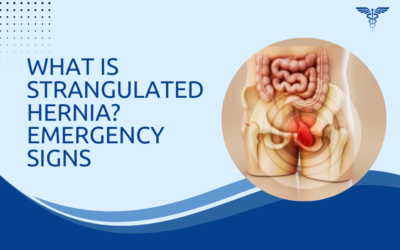
What Is Strangulated Hernia? Emergency Signs
A strangulated hernia is when trapped tissue inside a hernia has its blood supply completely cut off. That's the emergency. Not painful and uncomfortable. Actually losing blood supply. Tissue starts dying within hours and every hour spent at home waiting to see if...
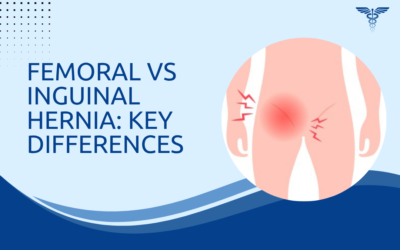
Femoral vs Inguinal Hernia: Key Differences
Both sit near the groin but they're not the same thing and mixing them up has real consequences. Inguinal hernias push through the inguinal canal above the groin crease. Far more common. Mostly in men. Femoral hernias push through the femoral canal lower down near the...
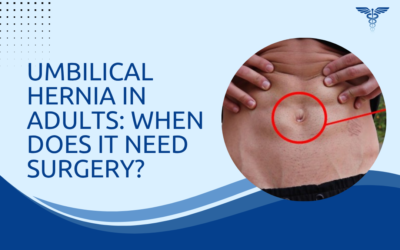
Umbilical Hernia in Adults: When Does It Need Surgery?
Adult umbilical hernias rarely heal on their own and usually need surgery if they're painful, growing or causing discomfort. Small asymptomatic hernias can be monitored carefully. But unlike children adults don't grow out of these. Ever. The hernia either stays put or...
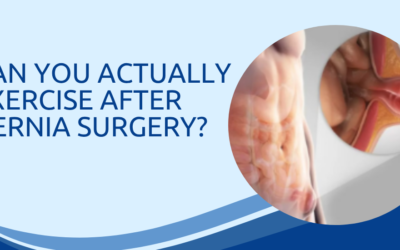
Can You Exercise After Hernia Surgery?
Yes but not immediately. Walking starts from day two. Light activity from week four. Heavy lifting and gym work only after six weeks with proper surgical clearance. The mesh needs time to integrate properly and rushing that timeline doesn't just slow recovery it can...
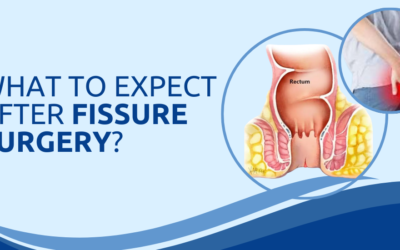
What to Expect After Fissure Surgery?
Fissure surgery is a common procedure performed to treat chronic anal fissures, which are painful tears or cracks in the skin around the anus. These fissures can cause significant discomfort, including pain during and after bowel movements, as well as itching,...
How Do You Stop an Inguinal Hernia Getting Worse?
Yes, surgery is eventually the answer. But between finding out you have a hernia and actually getting it fixed there's a gap and that gap matters. Because what someone does during that time either keeps things manageable or quietly makes the whole situation...
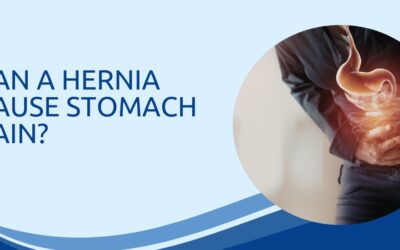
Can a Hernia Actually Cause Stomach Pain?
Yes. And more people are walking around with undiagnosed hernia pain than anyone would guess. The pain gets called muscle strain. Gas. Bad posture. Pulled something at the gym. People live with it for months treating the completely wrong thing. Meanwhile the hernia...
What Are the Symptoms of Gallstones, Really?
Honestly, gallstones fool people for months. The pain shows up after eating. Goes away. Comes back. Goes away again. So people take antacids. Cut out spicy food. Blame stress. And the whole time, it has nothing to do with any of that. It's the gallbladder. And every...
What Is Anal Fistula, Actually?
Here's the thing about anal fistula. Most people have never heard of it until they're sitting in a consultation room being told they have one. It's a small tunnel that forms between the inside of the anus and the skin around it. Sounds strange. But it almost always...
What Is Piles, Actually?
So piles are something most people have heard of but very few actually understand until they're dealing with it themselves. Swollen blood vessels in the lower rectum or around the anus. That's what piles are. They bleed. They itch. They cause real discomfort that...