

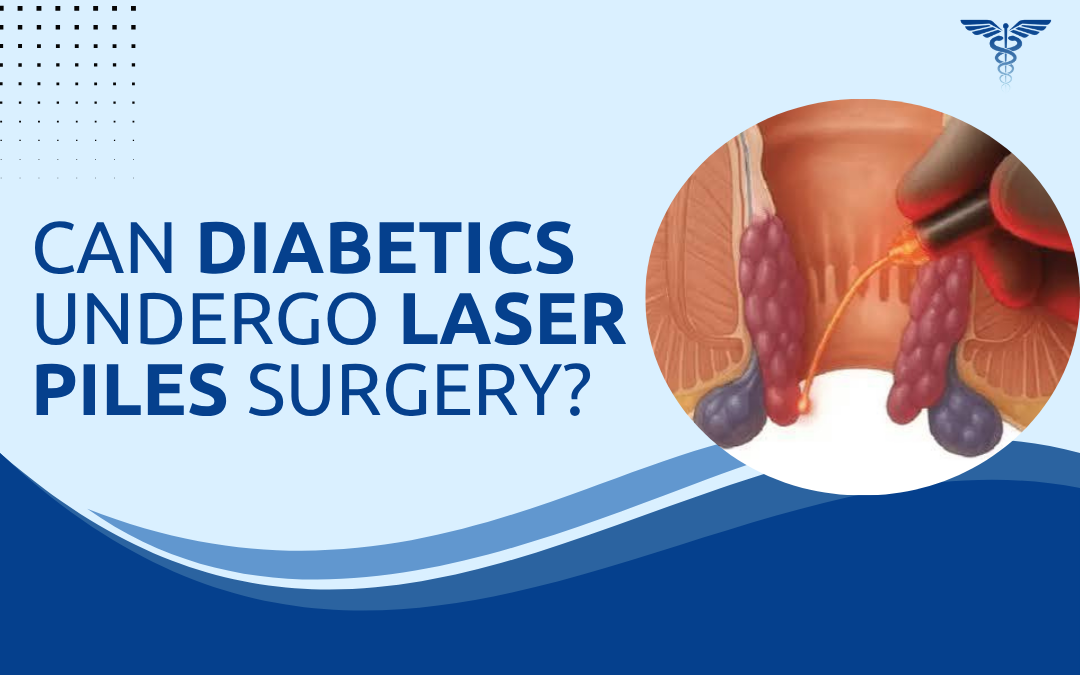
Diabetics can undergo laser piles surgery safely when blood glucose is adequately controlled before the procedure. Diabetes doesn’t disqualify a patient from haemorrhoid surgery. What matters is HbA1c at the time of assessment, current glucose control, and whether any diabetic complications are present that affect wound healing or anaesthetic risk. Poorly controlled diabetes increases infection risk and slows healing. Well-controlled diabetes, managed correctly through the perioperative period, carries outcomes comparable to non-diabetic patients.
According to Dr. Rajeev Premnath, one of the best proctologist in Bangalore, “Diabetic patients with piles often delay coming in because they assume surgery isn’t safe for them. That delay usually means the haemorrhoids progress to a grade where treatment is more complex. Laser is actually a good option for diabetic patients less tissue trauma, less bleeding, and faster surface healing compared to conventional surgery. The key is getting glucose control right before we operate, not avoiding surgery altogether.”
What Risks Does Diabetes Add to Laser Piles Surgery?
Diabetes adds specific perioperative risks all manageable with the right preparation, none of them absolute contraindications.
- Wound healing: Chronic hyperglycaemia impairs microvascular supply to healing tissue, slows collagen synthesis, and reduces neutrophil function the anal wound heals more slowly in poorly controlled diabetics, and the risk of wound breakdown or secondary infection is higher than in non-diabetic patients.
- Infection risk: Diabetics carry a higher baseline susceptibility to surgical site infection glucose control in the perioperative window directly affects this risk, and HbA1c above 8% at the time of surgery is associated with significantly higher post-operative infection rates.
- Anaesthetic considerations: Diabetic patients on insulin or sulphonylureas require modified fasting protocols to avoid hypoglycaemia glucose is monitored intraoperatively and in recovery, and the anaesthetic team adjusts accordingly for day care procedures.
- Autonomic neuropathy: Diabetics with significant autonomic neuropathy may have impaired cardiovascular responses under anaesthesia this is assessed pre-operatively and factors into whether spinal or general anaesthesia is preferred for the procedure.
Laser’s precision and reduced thermal spread make it a lower trauma option for diabetic patients compared to conventional haemorrhoidectomy. For a full overview of available treatments, visit our piles treatment page.
How Should a Diabetic Patient Prepare for Laser Piles Surgery?
Preparation for a diabetic patient going into laser piles surgery is more structured than for a non-diabetic. The pre-operative window is where outcomes are protected.
- HbA1c target: HbA1c below 8% is the standard threshold for elective piles surgery. Above this, the procedure is deferred until glucose control is optimised, since operating with poor control adds infection and healing risk that outweighs the benefit of proceeding on schedule.
- Medication adjustment: Metformin is typically withheld on the day of surgery insulin doses are adjusted based on fasting duration and the anaesthetist’s protocol, and sulphonylureas are held to avoid hypoglycaemia during the fasting period.
- Glucose monitoring: Blood glucose is checked on admission, intraoperatively if the procedure runs beyond thirty minutes, and in recovery before discharge day care discharge is conditional on stable glucose readings, not just clinical recovery from the procedure itself.
- Post-operative wound care: Diabetic patients are given specific wound hygiene instructions after laser piles surgery sitz baths twice daily, close monitoring for early signs of infection, and a lower threshold for returning if wound appearance changes in the first two weeks.
Recovery after laser piles surgery in well-controlled diabetics follows the same general timeline as non-diabetic patients, with slightly more vigilance in the first two weeks. Our blog on laser piles surgery covers the full procedure and what patients can expect in recovery.
Why Choose Dr. Rajeev Premnath?
Dr. Rajeev Premnath is a General and Laparoscopic Surgeon with MBBS, MS (Gen Surg.), FRCS (Glasg.), FEBS, FICS, FACS, FIAGES, FMAS, and a Diploma in Laparoscopy from France, with over 20 years of experience in laparoscopic and proctological surgery at Ramakrishna Super Speciality Hospital, Jayanagar, Bangalore.
Diabetic patients are assessed individually before any procedure is scheduled glucose control, HbA1c, diabetic complications, and anaesthetic requirements are all reviewed before a surgical date is confirmed. No patient is rushed into theatre unprepared.
Diabetic patient with piles causing bleeding or prolapse?
FAQs
Can a diabetic patient have laser piles surgery?
Yes, when blood glucose and HbA1c are adequately controlled before the procedure is scheduled.
What HbA1c level is needed before piles surgery?
HbA1c below 8% is the standard threshold; surgery is deferred until this is achieved if needed.
Does diabetes slow healing after laser piles surgery?
Poorly controlled diabetes slows healing; well-controlled diabetes with proper wound care carries comparable recovery outcomes.
Is laser better than conventional surgery for diabetic piles patients?
Yes laser causes less tissue trauma, less bleeding, and faster surface healing, making it preferable for diabetic patients.