

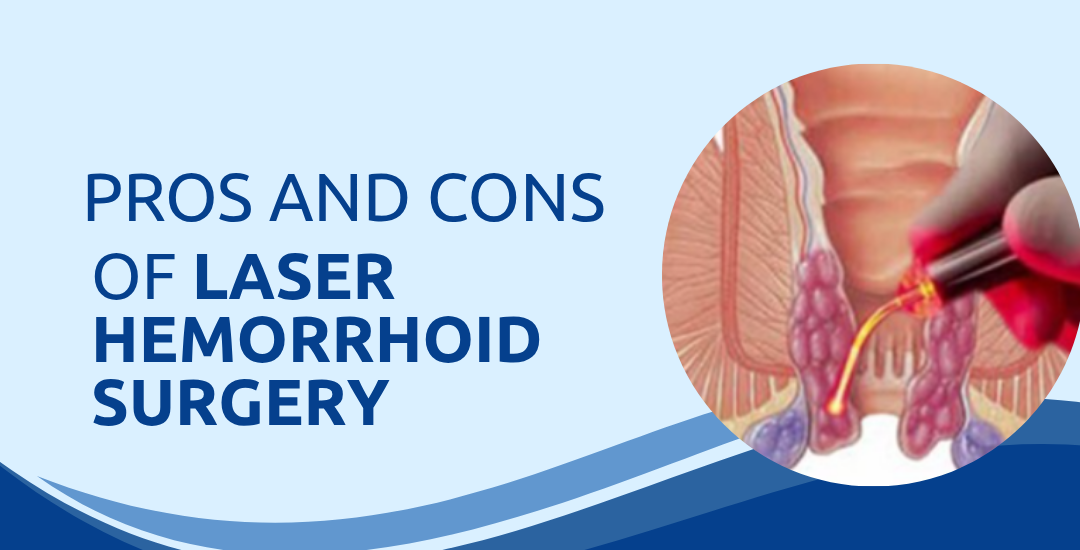
Hemorrhoids are a common condition that can significantly affect daily comfort and quality of life. Laser hemorrhoid surgery has emerged as a modern, minimally invasive option for managing them. Rather than using a conventional blade, the procedure delivers a focused beam of energy to shrink and seal the affected veins. It is typically performed as a day-care procedure, allowing most patients to return home the same day.
According to Dr. Rajeev Premnath, an acclaimed general and laparoscopic surgeon and proctologist in Bangalore, appropriate patient selection is as important as the technique itself. He often emphasises that laser treatment delivers the best results when matched to the right case, and that timely intervention paves the way for a smoother recovery.
When you weigh the pros and cons of laser hemorrhoid surgery, expert guidance turns guesswork into a clear plan. Dr. Rajeev Premnath is a skilled surgeon with focused experience in proctology and minimally invasive procedures. He has handled cases ranging from early-stage piles to complex, recurrent cases, and is known for explaining things in plain language without rushing into a decision.
What Is Laser Hemorrhoid Surgery?

Hemorrhoids, or piles, are swollen blood vessels in and around the anal region. They cause bleeding, itching, pain, and discomfort, often triggered by straining, constipation, or long hours of sitting.
Laser hemorrhoid surgery treats these swollen veins with a controlled laser beam. The energy cuts off their blood supply and shrinks them from within, with minimal cuts instead of open wounds. This is why hemorrhoid laser treatment has become a faster, less painful alternative to traditional surgery.
Wondering if this procedure is suited to your situation? Let’s discuss who benefits the most.
Who Is a Good Candidate for Laser Hemorrhoid Surgery?
Laser hemorrhoid surgery works better for some patients than others. Here is a quick look at who tends to be the most suitable candidate:
- People with grade 2 and grade 3 piles. These cases respond well when medicines and diet changes haven’t helped.
- Patients with frequent bleeding. Recurring bleeding during bowel movements is a strong reason to consider treatment.
- Those with persistent discomfort. Ongoing pain, itching, or a dragging feeling that disrupts daily life.
- Working professionals. Anyone who needs a quick recovery and cannot afford long bed rest benefits from the day-care nature of the procedure.
- Patients with recurring flare-ups. Piles that keep coming back despite lifestyle adjustments.
A few people are usually advised a different surgical plan:
- Very advanced grade 4 piles. These often need additional or alternative procedures.
- Those with bleeding disorders. Clotting issues call for careful evaluation first.
- Patients with certain anal infections. An active infection needs to be resolved before any laser work.
A proper examination decides this, which is why a personal evaluation always comes before any firm recommendation for hemorrhoid surgery.
How Does Laser Hemorrhoid Surgery Work?
1. Anesthesia first
Spinal or general anesthesia is given so you stay comfortable throughout the procedure.
2. Laser fiber inserted
A thin laser fiber is gently placed into the swollen hemorrhoidal tissue.
3. Controlled energy delivered

A precise beam of heat targets the swollen vein with accuracy.
4. Blood supply sealed
The heat shrinks the feeding the hemorrhoid and it’s feeding blood vessel.
5. Tissue shrinks
The swollen vein gradually shrinks and fades away on its own.
6. No large cuts
Since there are no open incisions, bleeding during the procedure stays minimal.
7. Quick wrap-up
The whole process usually takes 30 to 40 minutes.
8. Same-day discharge
Most patients head home the same day with simple aftercare instructions.
Thinking about why so many patients lean toward the laser route? Let’s explore the upsides.
Pros of Laser Hemorrhoid Surgery

These benefits have made hemorrhoid laser treatment a widely trusted choice in recent years.
Laser hemorrhoid surgery brings several real advantages:
- Less pain. With no open wounds, post-operative pain is far lower than in conventional surgery.
- Quick procedure. Most cases finish in under an hour and are done as daycare.
- Faster recovery. Many people return to a light routine within two to three days.
- Minimal bleeding. The laser seals vessels as it works, so blood loss stays low.
- No stitches, no big cuts. Healing is smoother, and the risk of infection drops.
- Lower recurrence in suitable cases. When the selection is right, results tend to last well.
Every coin has two sides, doesn’t it? Let’s discuss the limitations honestly.
Cons of Laser Hemorrhoid Surgery
Laser surgery has clear benefits, with a few considerations worth knowing before you decide:
- Cost. It is generally slightly costlier than traditional surgery due to the equipment involved.
- Not for every grade. Very advanced grade 4 piles often need additional or alternative procedures.
- Skill dependent. Results rely heavily on the surgeon’s experience with the laser technique.
- Possible recurrence. In some patients, hemorrhoids can return if underlying habits don’t change.
- Minor side effects. Temporary swelling, mild burning, or slight difficulty passing stool may occur early on.
Knowing these drawbacks helps you go in with realistic expectations rather than disappointment.
Worried about how long you’ll be off your feet? Let’s explore what healing really looks like.
How Long Does Recovery Take After Laser Hemorrhoid Surgery?
Recovery after laser hemorrhoid surgery is usually smooth. Most patients feel comfortable enough to manage daily activities within two to three days. Light desk work can often resume quickly, while heavy lifting and strenuous exertion are best avoided for a couple of weeks.
Mild discomfort or slight swelling can linger for a few days, and that’s normal. A fibre-rich diet, plenty of water, and avoiding straining all speed things up. Complete internal healing may take two to four weeks. Following the surgeon’s aftercare advice closely makes this phase far easier.
Not sure if it’s time to seek help? Let’s discover the warning signs you shouldn’t ignore.
When Should You Consult a Doctor for Hemorrhoids

Mild piles sometimes settle with home care, but certain symptoms call for a proper check. See a doctor if you notice any of these:
- Bleeding during bowel movements. Blood on stool or tissue should never be brushed aside.
- A lump that won’t go away. A lasting swelling around the anal area needs evaluation.
- Ongoing pain. Discomfort that doesn’t ease with simple home care.
- Persistent itching. Irritation that keeps disrupting your daily routine.
- Heavy or repeated bleeding. This can occasionally point to other conditions and needs prompt attention.
- No improvement with home remedies. Symptoms that linger despite diet changes and lifestyle fixes.
Ignoring the signs only makes things harder later.Connect with an expert now and take the first step toward lasting relief.
Conclusion
Laser hemorrhoid surgery offers a modern, low-pain, quick-recovery solution for many people struggling with piles. The pros, including minimal bleeding, faster healing, and no large cuts, make it appealing.
The cons, such as higher cost and unsuitability for very advanced cases, remind us that careful selection matters. Weighing the pros and cons of laser hemorrhoid surgery with a qualified surgeon like Dr. Rajeev Premnath is the smartest way to make a confident decision.
FAQs
1. Is laser hemorrhoid surgery painful?
It causes far less pain than traditional surgery since there are no open wounds. Mild discomfort for a few days is normal.
2. Can I go home the same day?
Yes. The majority of patients are discharged the same day with simple aftercare instructions.
3. How soon can I return to work?
Many people resume light desk work within two to three days, depending on the nature of their job.
4. Does laser hemorrhoid surgery have side effects?
Temporary swelling, mild burning, or slight difficulty passing stool may occur early on, but these usually settle quickly.
5. Will my hemorrhoids come back after laser surgery?
Recurrence is low in suitable cases, but poor diet and chronic straining can bring them back. Smoking is big risk factor.
6. Is there bleeding during the procedure?
Bleeding is minimal because the laser seals blood vessels as it shrinks the tissue.
7. Is laser surgery better than open hemorrhoid surgery?
For the right patient, it offers less pain and quicker recovery, but the best choice depends on your case.
Reference links:
Disclaimer: The information shared in this content is for educational purposes and not for promotional use.