

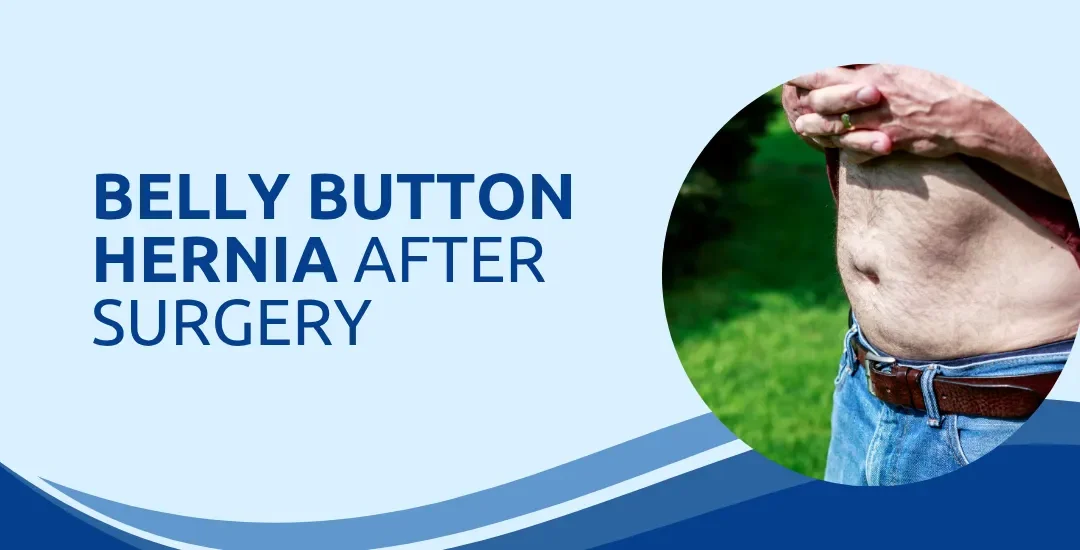
Abdominal surgeries help treat several medical conditions, but in some cases, weakness can develop around the surgical area and lead to a hernia. A belly button hernia after surgery occurs when tissues or abdominal contents push through a weakened area near the navel after a procedure. Proper recovery care, lifestyle adjustments, and following surgical instructions can help reduce the risk of developing this condition.
According to Dr. Rajeev Premnath, an acclaimed general & laparoscopic surgeon in Bangalore, maintaining proper wound care, avoiding excessive strain, and allowing adequate healing time are important steps in preventing post-surgical hernia formation. Early awareness of symptoms can also help patients seek timely evaluation and appropriate management.
With extensive experience in advanced laparoscopic procedures and hernia treatment, Dr. Rajeev Premnath focuses on minimally invasive techniques and personalized care plans. His expertise in managing complex abdominal conditions helps patients achieve safer recovery and better long-term outcomes.
Wondering why a bulge may appear near the belly button after surgery? Let’s understand how it develops.
What Is a Belly Button Hernia After Surgery?
A belly button hernia after surgery is a type of umbilical hernia that develops when tissue pushes through a weakened area around the navel following abdominal surgery. The belly button is naturally a weaker area of the abdominal wall, making it more vulnerable to hernia formation.
How Does It Develop After Abdominal Surgery?
During abdominal surgery, an incision may be made near or around the belly button. As the surgical wound heals, the abdominal muscles and tissues gradually regain strength. If the area does not heal completely or experiences excess pressure, a weakness may develop.
Over time, abdominal fat or a portion of the intestine may push through this weak area, creating a visible bulge.
Umbilical hernia after surgery may appear weeks, months, or even years after the original procedure.
What causes hernia formation after surgery? Let’s explore the common reasons.
Why Can a Belly Button Hernia Develop After Surgery?
A belly button hernia after surgery may develop due to:
· Weak healing of abdominal tissues: The surgical area may not regain complete strength during recovery.
· Increased abdominal pressure: Activities that increase pressure inside the abdomen can contribute to hernia formation.
· Surgical incision location: Procedures involving the belly button area may carry a higher risk.
· Poor wound healing: Conditions affecting healing may increase vulnerability.
· Early physical strain: Returning to heavy activities too soon may place stress on healing tissues.
· Chronic coughing or constipation: Repeated pressure can weaken the abdominal wall over time.
Following proper recovery guidelines can help lower the chances of developing a post-surgical hernia.
Want to support safer recovery after surgery? Learn preventive steps from an experienced professional.
Are some people more prone to developing this condition? Let’s look at the risk factors.
Who Is at Higher Risk of Developing a Belly Button Hernia After Surgery?
A higher risk of belly button hernia after surgery may be seen in individuals with:
- Previous abdominal surgeries
- Obesity or excess abdominal weight
- Diabetes or conditions affecting wound healing
- Chronic cough or breathing problems
- Frequent constipation and straining
- Smoking habits
- Advanced age
- Weak abdominal muscles
Patients undergoing repeated abdominal procedures may also have an increased chance of developing an umbilical hernia after surgery.
Can post-surgery habits reduce hernia risk? Let’s explore important preventive measures.
How Can You Prevent a Belly Button Hernia After Surgery?

Steps that may help prevent a belly button hernia after surgery include:
· Follow post-operative instructions: Adhere to activity restrictions and wound care advice.
· Avoid heavy lifting: Give abdominal muscles enough time to heal.
· Maintain a healthy weight: Reducing excess abdominal pressure supports healing.
· Eat a fiber-rich diet: Preventing constipation reduces straining during bowel movements.
· Manage coughing: Treat persistent coughs to avoid repeated abdominal pressure.
· Stay active gradually: Resume physical activities only as advised.
· Avoid smoking: Smoking can delay tissue healing.
Proper recovery habits play an important role in protecting the surgical site.
Which activities can put pressure on healing tissues? Let’s understand what to avoid.
What Activities Should You Avoid After Surgery to Prevent a Hernia?

After abdominal surgery, patients should be cautious with:
· Heavy lifting: Avoid lifting heavy objects until cleared by the surgeon.
· Strenuous exercise: High-impact workouts may increase abdominal pressure.
· Excessive coughing: Seek treatment for persistent cough to reduce strain.
· Straining during bowel movements: Maintain proper hydration and fiber intake.
· Sudden movements: Avoid activities that cause discomfort around the surgical area.
Gradual progression of activity helps the abdominal wall heal properly.
Which activities can put pressure on healing tissues? Let’s understand what to avoid.
How Long Should You Wait Before Lifting or Exercising After Surgery?
The recovery period varies depending on the type of surgery, incision location, and individual healing.
Generally:
- Light walking may be encouraged soon after surgery.
- Heavy lifting is usually avoided for several weeks.
- Strenuous exercise should only be resumed after medical clearance.
- Gradual strengthening exercises may be introduced during recovery.
Following personalized advice is important because healing timelines differ between patients.
What warning signs should you notice? Let’s look at the early symptoms.
What Are the Early Signs of a Belly Button Hernia After Surgery?

Early signs of a belly button hernia after surgery may include:
- A soft bulge near the belly button
- Swelling that becomes more visible while standing or coughing
- Mild discomfort around the navel area
- A feeling of pressure near the surgical site
- Increasing size of the bulge over time
Some hernias may not cause pain initially but can gradually become noticeable.
Is every post-surgery bulge a hernia? Let’s understand the next steps.
What Should You Do If You Notice a Bulge Near the Belly Button?

If you notice a bulge near the belly button after surgery:
- Avoid lifting heavy objects or activities that increase pressure.
- Monitor changes in size, discomfort, or symptoms.
- Avoid delaying evaluation if the bulge grows or becomes painful.
- Seek medical assessment to determine whether it is a hernia or another post-surgical change.
A proper examination helps identify the cause and determine whether treatment is required.
Conclusion
A belly button hernia after surgery can develop when the abdominal wall remains weak after a procedure, but proper precautions can help reduce the risk. Following recovery instructions, avoiding excessive strain, maintaining a healthy lifestyle, and recognizing early warning signs are important steps for protecting abdominal health.
With extensive expertise in laparoscopic procedures and abdominal wall conditions, Dr. Rajeev Premnath provides personalized care focused on safe recovery and effective hernia management. Early evaluation of symptoms can help patients receive timely guidance and appropriate treatment.
Experiencing concerns after abdominal surgery? Connect with a specialist to explore professional care options for better recovery and long-term outcomes.
FAQs
1. Can a belly button hernia after surgery be prevented?
Following recovery instructions, avoiding strain, and maintaining healthy habits can help reduce the risk.
2. What causes an Umbilical hernia after surgery?
It may occur due to weak healing, increased abdominal pressure, or strain on the surgical area.
3. Is a bulge after abdominal surgery always a hernia?
No. A bulge may have other causes, so proper evaluation is needed for accurate diagnosis.
4. Can exercise cause a hernia after surgery?
Returning to intense exercise too early may increase pressure on healing tissues and raise risk.
5. What are the symptoms of an umbilical hernia?
Common signs include a belly button bulge, discomfort, pressure, and swelling that increases with strain.
6. Can a belly button hernia heal without surgery?
Small hernias may be monitored, but persistent or symptomatic hernias may require surgical repair.
7. When should I seek medical help for a post-surgery bulge?
Medical evaluation is recommended if the bulge increases, becomes painful, or causes digestive symptoms.
8. Can laparoscopic surgery repair a belly button hernia?
Yes, laparoscopic techniques may be considered for suitable patients depending on the hernia size and condition.
References:
- National Institute of Diabetes and Digestive and Kidney Diseases (NIDDK):
https://www.niddk.nih.gov/health-information/digestive-diseases/inguinal-hernia - European Hernia Society:
https://europeanherniasociety.eu/