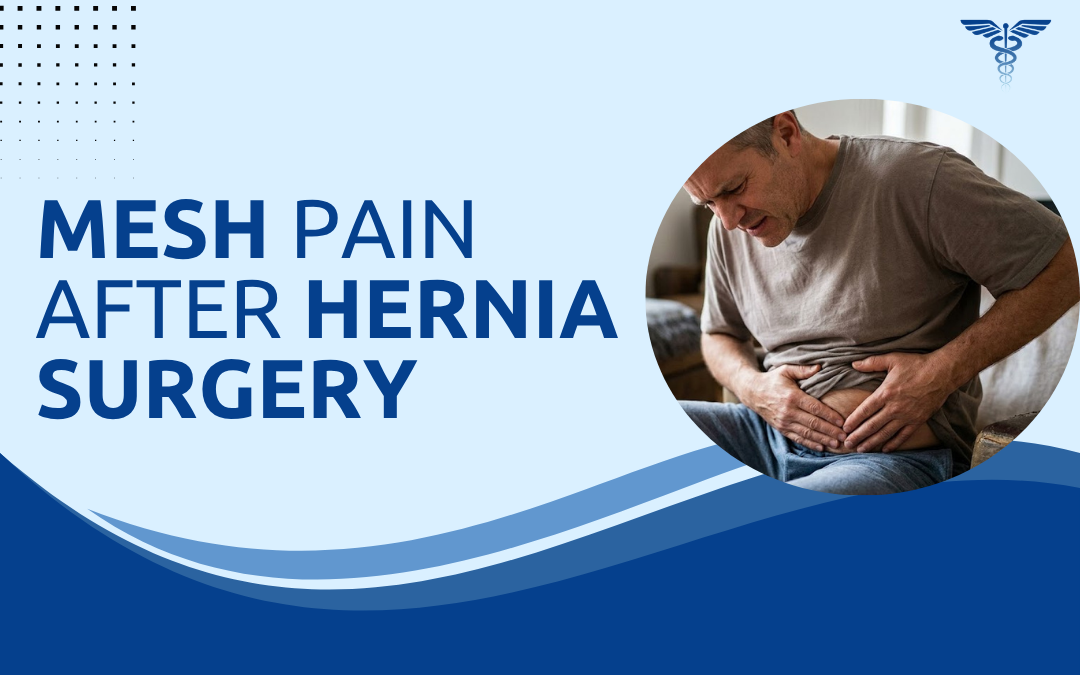
Mesh Pain After Hernia Surgery: When Is It Serious?
Mild mesh site pain after hernia surgery is expected and resolves within a few weeks. Pain that worsens, returns after a pain-free period, or comes with fever, redness, discharge, or new bowel symptoms needs prompt evaluation these patterns suggest mesh infection,...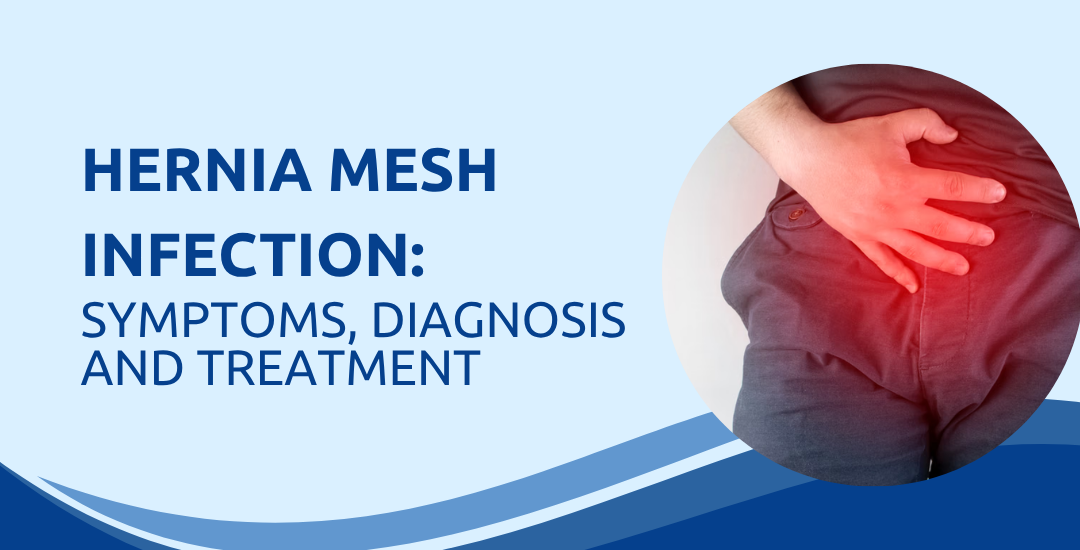
Hernia Mesh Infection: Symptoms, Diagnosis and Treatment
Hernia repair surgery is one of the most commonly performed procedures to strengthen weakened abdominal muscles and prevent hernias from returning. In some cases, surgical mesh is used for added support, but bacteria may rarely infect the implanted mesh, causing a...
Can High Anal Fistula Be Treated Without Cutting?
A high anal fistula can be treated without cutting the sphincter muscle. Sphincter-sparing techniques close the fistula tract without dividing the muscle it runs through. Traditional fistulotomy is the most effective single procedure but for a high fistula, it carries...