

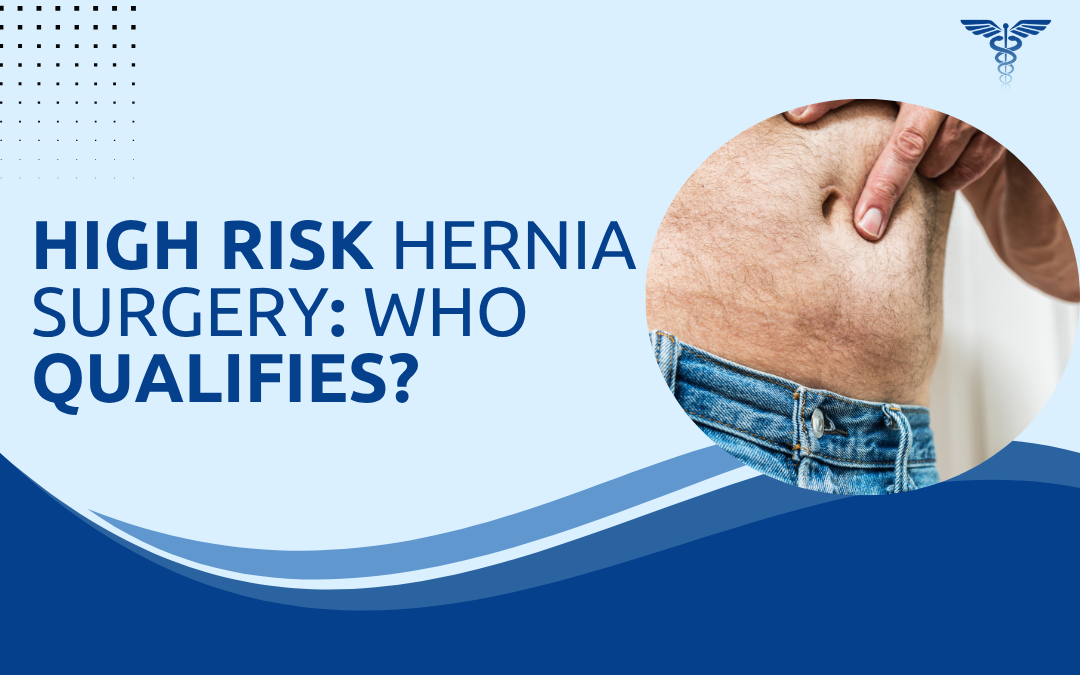
High-risk hernia surgery is performed on patients whose comorbidities — cardiac disease, diabetes, obesity, respiratory conditions place them outside routine surgical eligibility. It isn’t a different operation. It’s the same hernia repair with a more detailed pre-operative workup, modified anaesthetic planning, and closer post-operative monitoring. Most high-risk patients who are properly optimised do well. The risk isn’t the comorbidity alone; it’s uncontrolled comorbidity combined with inadequate preparation.
According to Dr. Rajeev Premnath, a trusted General and Laparoscopic Surgeon, “High risk doesn’t mean inoperable. It means the preparation has to be more thorough and the team has to be more coordinated. Most patients labelled high risk can still have their hernia repaired safely the question is whether their cardiac status, glucose control, and respiratory function have been properly optimised before the date is fixed. Rushing that workup is where things go wrong.”
Who Qualifies as High Risk for Hernia Surgery?
High risk classification is based on comorbidity burden, not age alone — several specific conditions place a patient in this category.
- Cardiac disease: Stable controlled cardiac conditions are compatible with surgery; uncontrolled hypertension, recent MI within three months, decompensated heart failure, and significant arrhythmias are not, and require cardiology clearance and optimisation before any operative date is confirmed.
- Diabetes: Well-controlled diabetes with HbA1c under 8% is generally manageable with modified fasting protocols and intraoperative glucose monitoring poorly controlled diabetes significantly increases wound infection risk, impairs healing, and raises anaesthetic complication rates.
- Obesity: BMI under 40 is generally compatible with laparoscopic hernia repair above 40, anaesthetic risk, port placement difficulty, and monitoring requirements increase substantially, and each case requires individual assessment rather than a blanket decision.
- Respiratory conditions: Stable controlled asthma and COPD are compatible with surgery under appropriate anaesthetic planning severe COPD, FEV1 below 50%, and uncontrolled sleep apnoea require specialist respiratory review and may need CPAP optimisation before surgery proceeds.
Comorbidity control, not comorbidity presence, determines surgical suitability. A full assessment for high risk inguinal hernia surgery establishes fitness before any operative plan is confirmed.
What Does Preparation and Recovery Look Like for High Risk Patients?
High risk hernia surgery follows a structured pre-operative pathway the preparation is where outcomes are determined, not just the operation itself.
- Pre-operative workup: ECG, echocardiogram, pulmonary function tests, HbA1c, and anaesthetic review are standard; the exact workup depends on which comorbidities are present and their current control status, not a fixed checklist applied to everyone.
- Optimisation window: Cardiac or respiratory conditions that aren’t adequately controlled push the surgical date back. Operating on an unoptimised patient doesn’t reduce the hernia risk; it just adds surgical risk on top of existing medical risk.
- Anaesthetic approach: Spinal anaesthesia is preferred over general anaesthesia in many high-risk cases it avoids airway manipulation, reduces post-operative respiratory complications, and allows faster recovery in patients with cardiac or pulmonary comorbidities.
- Post-operative monitoring: High-risk patients require longer observation after surgery. Hourly vitals, glucose monitoring in diabetics, and cardiac monitoring in patients with known arrhythmias or recent cardiac events are standard until the team is satisfied with stability.
Inpatient admission is the right call when same-day discharge can’t safely support the monitoring a patient needs. Our blog on day surgery vs inpatient stay for hernia repair covers exactly how that decision is made.
Why Choose Dr. Rajeev Premnath?
Dr. Rajeev Premnath is a General and Laparoscopic Surgeon with MBBS, MS (Gen Surg.), FRCS (Glasg.), FEBS, FICS, FACS, FIAGES, FMAS, and a Diploma in Laparoscopy from France, with over 20 years of experience managing high risk surgical patients at Ramakrishna Super Speciality Hospital, Jayanagar, Bangalore.
High risk patients are assessed individually comorbidity type, current control status, hernia complexity, and anaesthetic requirements are all factored into the operative plan before any date is scheduled. No patient is turned away without a proper evaluation.
Hernia causing pain or restriction and concerned about your fitness for surgery?
FAQs
Can a heart patient have hernia surgery?
Yes, if the cardiac condition is stable and controlled uncontrolled or decompensated cardiac disease requires optimisation first.
Is laparoscopic hernia surgery safe for diabetic patients?
Yes, with well-controlled HbA1c, modified fasting, and intraoperative glucose monitoring in place.
What makes hernia surgery high risk?
Uncontrolled cardiac disease, poorly managed diabetes, severe obesity, or significant respiratory compromise make surgery high risk.
Does a high risk patient always need hospital admission after hernia surgery?
Not always patients who are well-optimised and stable post-operatively may still qualify for day care discharge with appropriate monitoring.