

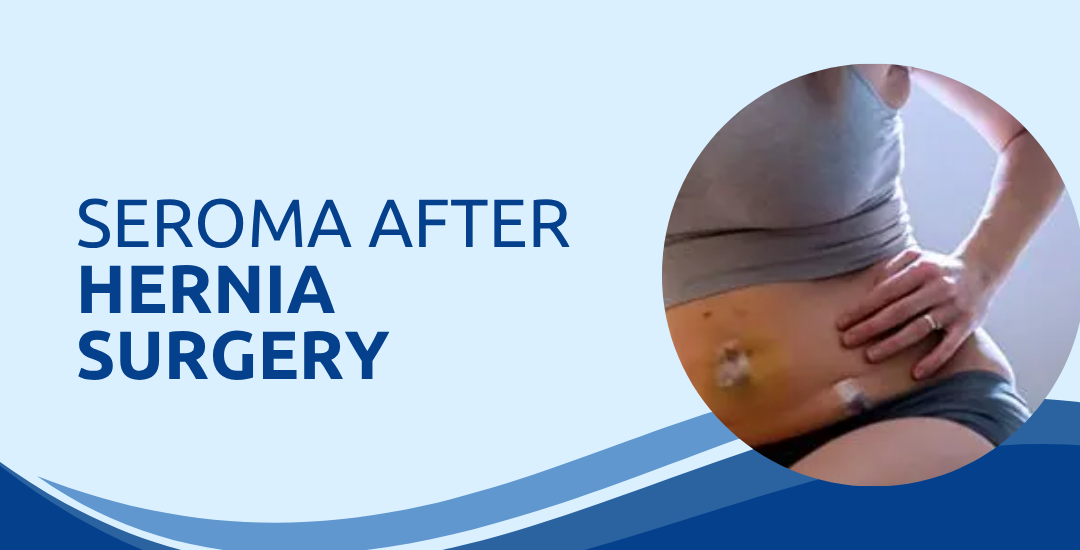
Hernia surgery is performed to repair weakened areas of the abdominal wall and reduce the risk of recurrence. Although modern surgical techniques are safe and effective, some patients may develop a fluid-filled swelling called a seroma after hernia surgery. Although usually harmless, understanding its symptoms, causes, and treatment options is important for proper recovery.
Dr. Rajeev Premnath, a prominent general and laparoscopic surgeon in Jayanagar, Bangalore, states that postoperative changes such as mild swelling can be part of normal healing, but persistent fluid collection requires proper evaluation. Early identification of a postoperative seroma can help ensure timely management and prevent unnecessary concerns.
With extensive experience in advanced, minimally invasive surgical procedures, Dr. Rajeev Premnath specializes in hernia repair treatment. His expertise in managing complex hernia-related conditions enables him to provide personalized treatment approaches that promote smoother recovery and better patient outcomes.
Wondering why swelling occurs after surgery? Let’s understand what a seroma means.
What Is a Seroma After Hernia Surgery?
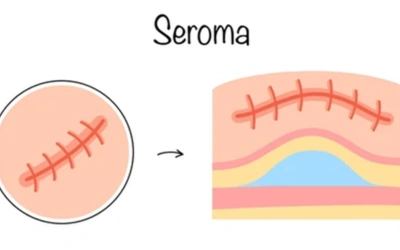
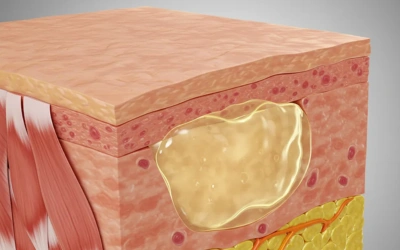
A seroma after hernia surgery is a collection of clear or yellowish fluid that develops under the skin or around the repaired area. This fluid is usually made up of plasma and other components released by the body during the healing process.
During hernia surgery, tissues are separated and repaired, which can create a small empty space where fluid may accumulate. In most cases, the body gradually absorbs this fluid without requiring major intervention.
How Common Is Seroma Formation After Hernia Repair?
A postoperative seroma is a relatively common occurrence after certain types of hernia surgeries, especially procedures involving mesh placement or larger tissue repair. The likelihood may vary depending on the type of hernia, surgical technique, and individual healing response.
Most seromas are harmless and resolve naturally over time. However, larger or persistent collections may require medical attention.
Noticing swelling after hernia surgery?
Explore your symptoms with a specialist for proper evaluation.
Why does fluid collect after hernia repair? Let’s explore the possible causes.
What Causes a Seroma After Hernia Surgery?

Several factors can contribute to the development of a seroma after hernia surgery, including:
· Normal healing response: The body naturally produces fluid as tissues heal after surgery.
· Creation of tissue spaces: Surgical separation of tissues may leave spaces where fluid can collect.
· Mesh placement: Hernia mesh repair may increase the chances of fluid accumulation in some patients.
· Large hernia repair: Larger repairs may involve more tissue handling, increasing seroma risk.
· Surgical technique: The approach used during surgery can influence fluid formation.
· Individual healing response: Some patients naturally develop more fluid during recovery.
A seroma does not necessarily indicate a surgical complication. However, monitoring changes in size, discomfort, and symptoms is important.
What signs indicate a seroma? Let’s look at the common symptoms.
Common Symptoms of a Seroma
A seroma after hernia surgery may present with:
- Soft swelling or a lump near the surgical site
- Fluid-filled feeling under the skin
- Mild discomfort or tightness around the repaired area
- Swelling that increases gradually after surgery
- A sensation of pressure near the incision
- Mild tenderness around the swelling

Most seromas do not cause severe pain or fever. Symptoms such as increasing redness, severe pain, or discharge may indicate another issue requiring medical evaluation.
Could swelling mean the hernia has returned? Let’s compare the two conditions.
Seroma vs Hernia Recurrence: How Can You Tell the Difference?
A swelling after hernia surgery can sometimes raise concerns about recurrence. However, a seroma after hernia surgery and a recurrent hernia usually have different characteristics.
| Seroma | Hernia Recurrence |
|---|---|
|
|
A physical examination and imaging tests, if needed, can help differentiate between a seroma and recurrence.
Does every seroma need treatment? Let’s explore the available options.
Treatment Options for Seroma After Hernia Surgery

The approach for seroma treatment depends on the size, symptoms, and duration of the fluid collection.
- Observation and Monitoring
Small seromas often resolve naturally as the body absorbs the fluid. Regular monitoring may be recommended if there are no concerning symptoms.
- Compression Support
In selected cases, compression garments may help reduce swelling and support healing.
- Aspiration
For larger or uncomfortable seromas, fluid may be removed using a needle procedure called aspiration. This can provide relief but may need to be repeated in some cases.
- Surgical Management
Rarely, persistent seromas that do not respond to other measures may require surgical intervention.
The appropriate seroma treatment depends on individual recovery progress and clinical findings.
Curious about the recovery process? Let’s explore the healing timeline of a seroma.
How Long Does a Seroma Take to Heal?
The healing period for a seroma after hernia surgery varies depending on its size and the patient’s recovery process.
- Small seromas may resolve within a few weeks.
- Larger fluid collections may take several months to disappear completely.
- Persistent seromas may require additional management.
“Following post-surgery instructions, avoiding excessive strain, and attending follow-up evaluations can support proper healing,” highlights Dr. Rajeev Premnath.
How can recovery be supported after treatment? Let’s explore important care steps.
Recovery and Care After Seroma Treatment

After seroma treatment, proper care can help prevent complications and promote healing.
Important recovery measures include:
- Keeping the surgical area clean and dry
- Following wound care instructions
- Avoiding heavy lifting until cleared
- Maintaining a healthy diet to support healing
- Monitoring swelling or changes around the surgical site
- Attending follow-up appointments
Patients should also report symptoms such as fever, increasing pain, redness, or unusual discharge.
Not sure if your swelling needs medical attention? Let’s understand when evaluation is important.
When Should You Consult a General and Laparoscopic Surgeon for a Seroma?
It is advisable to seek medical advice if you experience:
- A swelling that continues increasing in size
- Severe pain around the surgical area
- Redness, warmth, or fever
- Fluid leakage from the incision
- Persistent swelling that does not improve
- Concerns about hernia recurrence

Experiencing persistent swelling after surgery?
Evaluate your condition with an experienced specialist.
Conclusion
A seroma after hernia surgery is a common postoperative condition caused by fluid accumulation during the healing process. While many seromas resolve naturally, persistent or symptomatic cases may require appropriate seroma treatment. Understanding the symptoms and differences between a seroma and hernia recurrence can help patients avoid unnecessary concerns and seek timely care when needed.
With advanced expertise in laparoscopic procedures and hernia management, Dr. Rajeev Premnath focuses on providing personalized guidance for patients recovering after hernia surgery.
FAQs
1. What is a seroma after hernia surgery?
A seroma is a collection of clear fluid that develops near the surgical site during the healing process after hernia repair.
2. When should I worry about swelling after hernia surgery?
Seek evaluation if swelling increases, becomes painful, is associated with fever, or does not improve over time.
3. Can a seroma come back after treatment?
Yes, in some cases, fluid may collect again after drainage, requiring further monitoring or treatment.
4. How is a postoperative seroma diagnosed?
A doctor may diagnose it through physical examination and imaging tests such as ultrasound if required.
5. Can exercise worsen a seroma after hernia surgery?
Heavy activity or lifting too soon may increase discomfort and affect healing, so activity restrictions should be followed.
6. Can a seroma be mistaken for hernia recurrence?
Yes, both can cause swelling near the surgical area. Medical evaluation helps identify the difference.
7. Can a seroma affect hernia mesh?
A seroma can form around mesh after repair, but it does not always indicate a problem with the mesh.
8. How can seroma formation be prevented?
Following surgical instructions, proper wound care, and avoiding excessive strain may help reduce the risk.
References:
- National Institute of Diabetes and Digestive and Kidney Diseases (NIDDK):
https://www.niddk.nih.gov/health-information/digestive-diseases/hernia - European Hernia Society Guidelines:
https://europeanherniasociety.eu/
Disclaimer: The information shared in this content is for educational purposes and not for promotional use.