

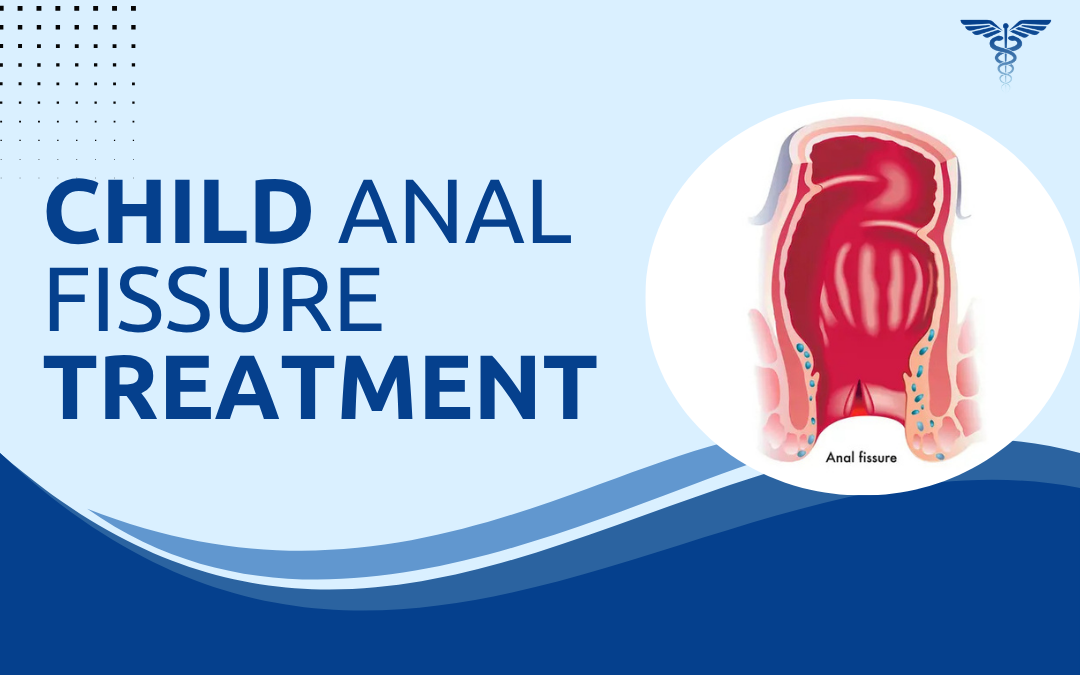
Anal fissures in children resolve without surgery. Acute fissures respond to dietary and topical treatment in the majority of cases. Chronic fissures take longer but still rarely require operative intervention in the paediatric age group. Surgery is reserved for cases that fail conservative management after an adequate trial.
According to Dr. Rajeev Premnath, a leading piles specialist in Bangalore, “Children with anal fissures almost never need surgery as a first step. The fissure cycle pain, withholding, constipation, re-injury is what keeps it from healing, and breaking that cycle with stool softeners and topical agents is what actually works. Surgery comes into the picture only when conservative treatment has genuinely failed over several weeks.”
What Treatments Help an Anal Fissure Heal in Children?
Conservative management addresses both the fissure itself and the constipation cycle that prevents healing.
- Stool softeners: Osmotic laxatives like polyethylene glycol are the backbone of treatment keeping stools soft breaks the pain-withholding-constipation cycle that stops most fissures from healing on their own.
- Topical agents: Lignocaine-based creams reduce pain during defecation, which helps the child stop withholding, and glyceryl trinitrate or diltiazem applied locally improves blood flow to the fissure base and supports tissue repair.
- Diet: Increasing fibre and fluid intake addresses the root cause in most children, and changes here often produce visible improvement within two to three weeks when maintained consistently.
- Sitz baths: Warm water soaks after bowel movements reduce sphincter spasm and local discomfort, making them a simple but useful addition to the treatment routine.
Most children respond to this combination within four to six weeks. Explore our anal fissure treatment options for a full overview of available approaches.
When Does a Child With Anal Fissure Actually Need Surgery?
Surgery is considered only after conservative management has failed not before.
- Failed conservative treatment: A fissure that hasn’t responded after six to eight weeks of consistent topical treatment and stool softeners is a reasonable threshold for reconsidering the approach, though extending the trial is often tried first.
- Chronic fissure features: A sentinel skin tag, hypertrophied anal papilla, or visible scarring at the fissure base indicates chronicity these features suggest the fissure won’t close without additional intervention beyond diet and topicals.
- Botulinum toxin injection: This is the preferred next step before any surgical cut is considered — it relaxes the internal sphincter temporarily, improves blood flow, and gives the fissure a window to heal without permanent structural change.
- Lateral internal sphincterotomy: Reserved for true refractory cases in older children after botulinum toxin has failed, and always done with careful assessment of sphincter length to avoid continence risk.
Surgery in children for anal fissure is genuinely uncommon. Our blog on Anal Fissure That Won’t Heal covers the full management pathway in more detail.
Why Choose Dr. Rajeev Premnath?
Dr. Rajeev Premnath is a General and Laparoscopic Surgeon with MBBS, MS (Gen Surg.), FRCS (Glasg.), FEBS, FICS, FACS, FIAGES, FMAS, and a Diploma in Laparoscopy from France, with over 20 years of experience in laparoscopic and proctological surgery at Ramakrishna Super Speciality Hospital, Jayanagar, Bangalore.
Paediatric anorectal conditions are managed conservatively wherever possible surgical intervention is not the default, and every case is assessed on its own clinical picture before any operative plan is considered.
Child showing signs of pain during bowel movements or blood on the nappy?
FAQs
Can an anal fissure in a child heal on its own?
Yes, most acute fissures heal with stool softeners and topical treatment within four to six weeks.
What causes anal fissures in children?
Hard stools from constipation are the most common cause in the paediatric age group.
Is surgery common for anal fissures in children?
No. Surgery is reserved for fissures that don’t respond to conservative treatment after an adequate trial.
What is the first treatment given to a child with an anal fissure?
Stool softeners and topical agents are started first, alongside dietary changes to keep stools soft.