

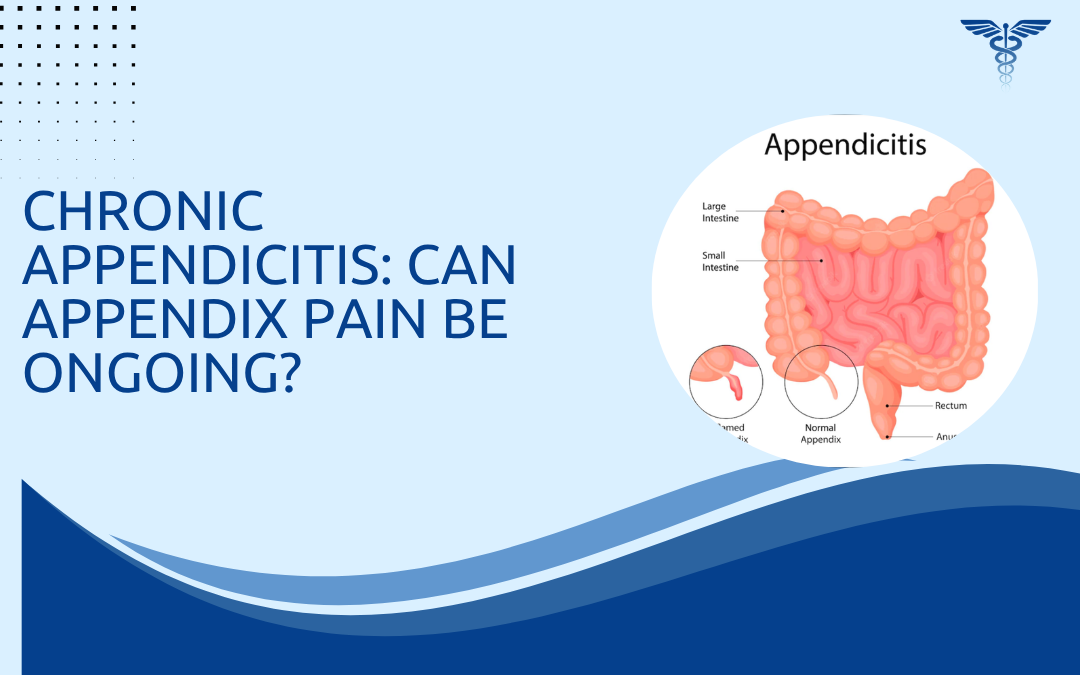
Yes. Appendix pain can be ongoing for weeks or months. Chronic appendicitis is a real condition where the appendix is mildly inflamed over a prolonged period rather than acutely obstructed in the way classic appendicitis presents. Symptoms are intermittent, often mild and consistently dismissed as IBS, ovarian issues or musculoskeletal pain. The condition affects roughly 1.5% of appendicitis cases and the only definitive treatment is appendectomy.
According to Dr. Rajeev Premnath, renowned General and Laparoscopic Surgeon in Bangalore
“Chronic appendicitis gets missed for months because the pain isn’t dramatic enough to send someone to emergency but it’s real, it’s consistent and it needs proper investigation rather than repeated reassurance that nothing is wrong.”
Persistent right lower abdominal pain that keeps coming back without a clear explanation deserves proper surgical assessment. Not another round of antacids and IBS advice.
What Does Chronic Appendicitis Actually Feel Like and Why Does It Get Missed?
The symptoms are the reason it gets missed. They don’t match what most people or most doctors picture when they hear appendicitis. No sudden severe pain. No emergency. Just a nagging recurring ache in the lower right that comes and goes for weeks.
- Location. Right lower abdominal pain or right iliac fossa pain that returns repeatedly. Not the dramatic central-to-right shift of acute appendicitis. Duller. More persistent. Sometimes worse after eating or physical activity but never severe enough to seem like an emergency.
- Duration pattern. Episodes lasting hours to days rather than the continuous escalating pain of acute appendicitis. Patients report feeling mostly fine between episodes which is exactly why the diagnosis keeps getting delayed with each normal physical examination done during a pain-free interval.
- Associated symptoms. Nausea, mild bloating, low grade fever during flares and appetite changes are all common. Not dramatic. Not alarming on their own. But combined with recurring right lower pain they point toward appendix pathology rather than functional gut issues.
- Why it gets misdiagnosed. Normal bloods and a soft abdomen during a pain-free interval look like nothing is wrong. CT scan in between episodes can appear normal. IBS, ovarian cysts, musculoskeletal strain and referred pain all sit in the differential and each gets tried before the appendix is considered in most cases.
Months of being told nothing is wrong while the same pain keeps returning in the same location is the most consistent patient history in chronic appendicitis. The pattern matters more than any single normal test result.
Patients whose chronic appendicitis has progressed or who are concerned about acute deterioration should understand what the warning signs of acute appendicitis look like at appendix treatment before anything escalates.
How Is Chronic Appendicitis Diagnosed and What Treats It?
Diagnosis requires piecing together the clinical pattern rather than relying on a single abnormal test. And treatment is surgical. Always. An appendix that has been intermittently inflamed for months is not going to start behaving itself without being removed.
- CT scan during a symptomatic episode. The highest yield investigation. Appendix wall thickening, periappendiceal fat stranding and appendix diameter over 6mm during active symptoms are the CT findings that confirm chronic appendicitis when the clinical picture fits.
- Ultrasound as first line. Readily available, no radiation and sufficient for identifying appendix wall changes in many cases. Less sensitive than CT but appropriate as a starting investigation particularly in younger patients and women where ovarian pathology also needs excluding.
- Diagnostic laparoscopy. When imaging is persistently inconclusive but clinical suspicion remains high after months of recurring right lower pain, diagnostic laparoscopy confirms the diagnosis and proceeds directly to appendectomy if chronic inflammation is found.
- Laparoscopic appendectomy as treatment. Removing the appendix is definitive. Done laparoscopically through tiny incisions with day care discharge in most uncomplicated cases. Histology of the removed appendix confirms chronic inflammation and rules out other pathology in the same procedure.
Surgery ends it. Nothing else does. Antibiotics manage acute flares temporarily but an appendix that keeps inflaming will keep inflaming until it’s out. That’s just the natural history of the condition.
Anyone still unsure whether their recurring right lower abdominal pain is actually appendix-related should read this piece on 3 warning signs that appendicitis requires immediate medical attention which helps distinguish chronic from acute presentations.
Why Choose Dr. Rajeev Premnath?
Dr. Rajeev Premnath is a General and Laparoscopic Surgeon with over 20 years treating appendicitis in all presentations including chronic cases that had been missed for months elsewhere. MBBS, MS General Surgery, FRCS Glasgow, trained at IRCAD France. Advanced single incision laparoscopic training in Singapore. Head of Day Care Surgery, Ramakrishna Group of Hospitals.
Patients who come in with months of right lower pain and a folder full of normal test results get a proper clinical assessment that looks at the pattern not just the last scan. Those who keep getting told it’s IBS come back six months later after a proper diagnosis was available the whole time.
Call +91 90082 04466 to book your consultation.
FAQs
Can appendix pain really last for months without becoming an emergency?
Yes, chronic appendicitis causes recurring right lower abdominal pain for weeks or months without the acute escalation of classic appendicitis.
How is chronic appendicitis different from acute appendicitis?
Chronic appendicitis causes mild recurring pain over weeks or months while acute appendicitis causes rapid escalating severe pain requiring emergency surgery.
What is the only definitive treatment for chronic appendicitis?
Laparoscopic appendectomy is the only definitive treatment since antibiotics manage flares temporarily but the condition keeps recurring until the appendix is removed.
Can chronic appendicitis suddenly become an acute emergency?
Yes, a chronically inflamed appendix can progress to acute appendicitis or rupture making prompt surgical assessment important once the diagnosis is suspected.