

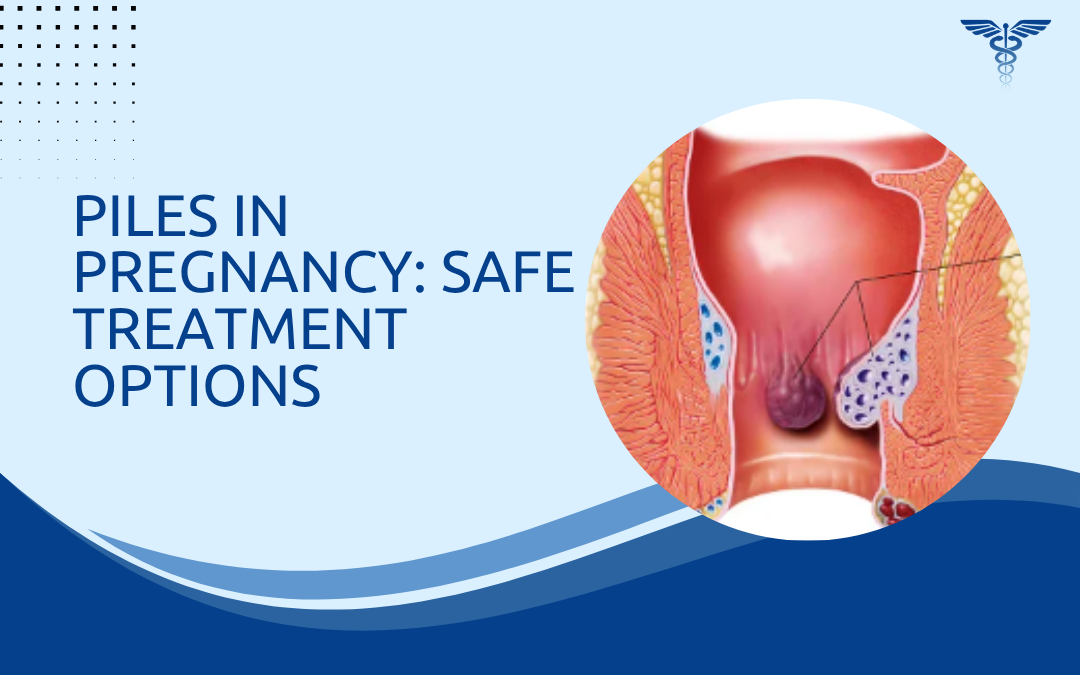
Piles during pregnancy are incredibly common. The growing uterus puts direct pressure on the rectal veins. Constipation from pregnancy hormones makes straining worse. And the result is swollen painful hemorrhoids that nobody warned about during antenatal appointments. Most cases during pregnancy are managed safely without surgery. But they do need proper attention. Ignoring them doesn’t make them smaller.
“Piles during pregnancy are manageable with the right conservative approach and surgery is rarely needed during this period though it becomes necessary after delivery in persistent cases,” says Dr. Rajeev Premnath, General and Laparoscopic Surgeon.
Managing them properly during pregnancy reduces suffering significantly. And knowing what’s safe to use and what isn’t makes a real difference to how the next several months actually feel.
What Safe Treatment Options Actually Exist During Pregnancy?
Surgery during pregnancy is avoided whenever possible. The goal is keeping symptoms manageable until delivery after which more definitive treatment can happen if needed. Piles treatment during pregnancy focuses entirely on relieving discomfort, reducing swelling and preventing the situation from worsening through the remaining weeks.
- High fibre diet and fluids. The single most effective thing. Soft formed stools that pass without straining remove the primary daily driver of hemorrhoid swelling and pain. Fruits, vegetables, oats and eight to ten glasses of water daily make a genuinely noticeable difference within days.
- Topical creams and ointments. Several topical preparations are safe during pregnancy for reducing pain, itching and swelling around the anal area. These need to be specifically pregnancy-safe formulations discussed with the treating doctor rather than any over the counter product grabbed without checking.
- Sitz baths. Sitting in warm water for ten to fifteen minutes two to three times daily relieves pain and itching without any medication involved. Safe at any stage of pregnancy and genuinely one of the most consistent sources of relief for women dealing with this.
- Avoiding prolonged sitting and straining. Not sitting on the toilet for extended periods, responding immediately to the urge to go and taking short walks regularly all reduce the sustained pressure on rectal veins that keeps piles inflamed and painful throughout the day.
These measures don’t cure piles. They manage them. And in most pregnant women that’s genuinely enough to get through the remainder of the pregnancy without significant escalation or need for any procedure.
Patients wanting to understand the full treatment picture including what becomes available after delivery should look at what a proctologist offers across the full range of piles stages and why post-delivery assessment genuinely matters.
When Do Piles During Pregnancy Actually Need Medical Attention?
Most cases during pregnancy are managed at home with the measures above. But certain situations need a proper medical assessment and waiting to see if things settle at home isn’t the right call when these signs are present.
- Significant rectal bleeding. Any rectal bleeding during pregnancy needs to be assessed by a doctor to confirm the source is hemorrhoidal and rule out other causes. Bleeding that soaks through toilet paper or drips into the bowl needs same day attention.
- Prolapse that won’t reduce. A hemorrhoid that protrudes and can’t be gently pushed back needs medical review. Leaving prolapsed tissue unreduced during pregnancy causes progressive swelling and significantly worsens the post-delivery treatment situation.
- Thrombosed external hemorrhoid. A hard extremely painful lump near the anal area that develops suddenly is a thrombosed hemorrhoid. This is genuinely one of the most painful things in the proctology spectrum and needs urgent assessment even during pregnancy.
- Symptoms that don’t respond to home measures. Piles that keep worsening despite diet changes, topical treatment and sitz baths after two weeks need a formal assessment to understand the grade and plan appropriate management for the remaining pregnancy.
After delivery most cases that persisted through pregnancy resolve significantly within six to eight weeks as hormones settle and abdominal pressure decreases. Those that don’t resolve need proper grading and treatment which is far safer and more straightforward post-delivery than during pregnancy.
Anyone wanting to understand clearly at what point piles stop being manageable without medical intervention should read this older piece on signs that piles need surgical treatment which lays out that distinction practically and honestly.
Why Choose Dr. Rajeev Premnath?
Dr. Rajeev Premnath has spent over 20 years treating piles across every stage including pregnancy-related cases and post-delivery presentations. Every single day without exception. Trained at IRCAD in France, genuinely one of the most respected minimally invasive surgery institutions anywhere in the world. Advanced laser and proctology training stacked on top. Hundreds of real piles cases handled. Patients getting proper relief faster than they expected every single time.
Call Now: +91 90082 04466 – same day appointments available for urgent cases.
Piles during pregnancy are common but they’re not something to just push through alone. One proper consultation tells you exactly what’s safe to use, what grade the piles are at and what treatment looks like after delivery if it’s needed.
FAQs
Are piles during pregnancy dangerous for the baby?
No, hemorrhoids during pregnancy do not affect the baby but they cause significant maternal discomfort and need proper management to prevent worsening through the pregnancy.
Can piles that develop during pregnancy go away on their own after delivery?
Many do resolve within six to eight weeks after delivery as hormonal changes settle and abdominal pressure reduces but persistent cases need formal assessment and treatment.
Is it safe to use hemorrhoid creams during pregnancy?
Some topical preparations are safe during pregnancy but only pregnancy-specific formulations discussed with a doctor should be used rather than standard over the counter products.
When during pregnancy is surgery for piles ever considered?
Surgery during pregnancy is only considered for thrombosed hemorrhoids causing extreme pain or very rarely for prolapsed cases that can’t be managed conservatively with any other approach.
A proper consultation gives specific answers around your hernia size, type and health situation. Come in and speak directly with Dr. Rajeev Premnath.
References