

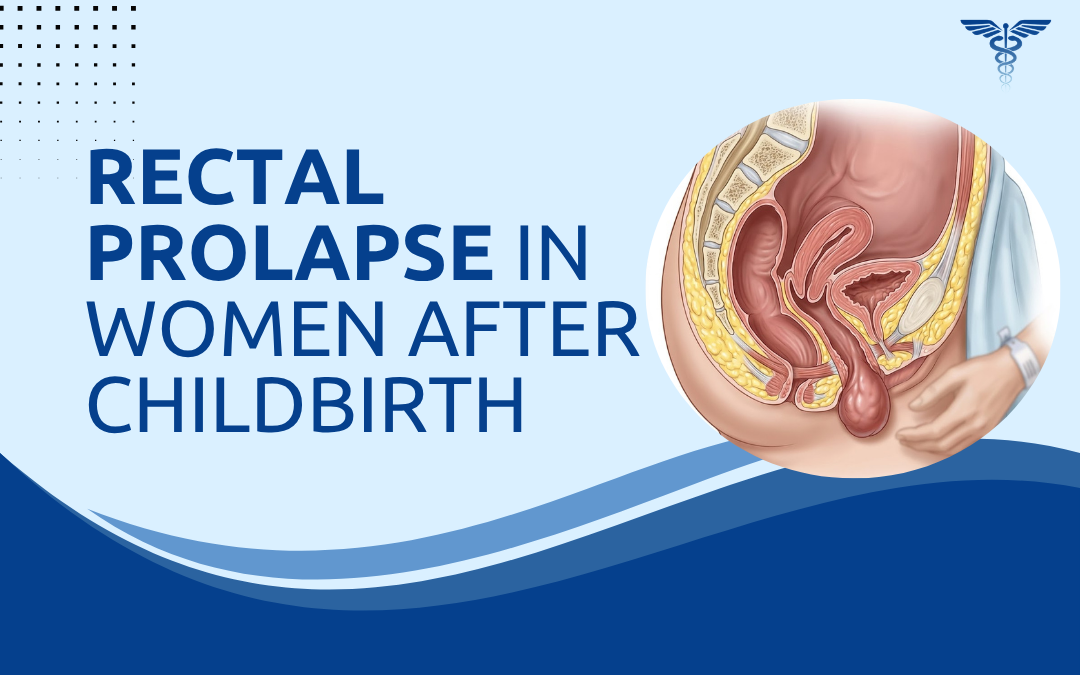
Rectal prolapse shows up more in women after childbirth because vaginal delivery stretches the pelvic floor muscles, damages the pudendal nerve, and tears the connective tissue holding the rectum in place. That’s the short version. Pregnancy hormones like relaxin and progesterone soften ligaments on top of all that, which means muscle tone and tissue strength take a hit too. Long labour, big babies, forceps, multiple vaginal births. Each one stacks more damage. The weakening hides for years. Then menopause rolls in, oestrogen drops, tissue support thins, and suddenly the symptoms arrive. Women face this six times more often than men, and childbirth is the biggest reason why.
According to Dr. Rajeev Premnath, proctologist in Bangalore, Childbirth doesn’t always set off prolapse on day one, but the muscle damage stays silent for years and surfaces after menopause when tissue strength drops.
What pelvic changes during childbirth lead to rectal prolapse?
Pregnancy and delivery rewrite the pelvic floor. And not in ways that bounce back fully. Most of the damage hides in plain sight for years.
- Muscle stretch: Pelvic floor muscles can stretch up to three times their resting length during a vaginal birth, and even months of postnatal exercise won’t always bring them all the way back
- Nerve injury: Pudendal nerve compression during a long labour cuts the signals that keep rectal tone and sphincter control working the way they should
- Tissue tears: Third and fourth-degree perineal tears rip through the connective tissue layers anchoring the rectum, and scar tissue rarely holds the same way the original did
- Hormonal effect: Relaxin keeps softening ligaments through pregnancy, and a fair number of women never get full ligament strength back
So it isn’t one event. It’s slow. Layered. Muscle, nerve, tissue, all chipping away at each other over decades. Surgery becomes the answer once conservative care stops moving the needle, and piles treatment in Bangalore often overlaps with prolapse evaluation since both share bleeding and that nagging incomplete-evacuation feeling.
Which factors after childbirth increase prolapse risk?
Childbirth alone doesn’t seal the diagnosis. What happens in the years that follow matters just as much. Sometimes more.
- Chronic straining: Postnatal constipation that drags on for months keeps pushing weakened pelvic structures down, and that’s exactly how partial prolapse turns into full-thickness
- Repeated pregnancies: Every new vaginal delivery layers on cumulative damage, so women with three or more births tend to show much higher prolapse rates after age fifty
- Menopause: Falling oestrogen thins the hernia and rectal wall lining, and the old childbirth weakness suddenly becomes very visible
- Heavy lifting: Toddlers, grocery bags, laundry baskets. Lift them without bracing the core and you keep hammering the same muscles delivery already wore thin
Plenty of women blame ageing when the real driver is decades-old delivery damage finally catching up. Read more on common causes of pelvic floor weakness in women to see how the chain links together.
Why Choose Dr. Rajeev Premnath?
Dr. Rajeev Premnath is a senior General and Laparoscopic Surgeon and Proctologist with over 15 years working through complex pelvic floor and rectal disorders. Patients get straight answers. Surgery decisions get built around what the body actually needs, not what’s currently trending in textbooks. Learn more about Dr. Rajeev Premnath and how he handles each case.
Women walking in with postnatal rectal prolapse leave with a clear plan. Could be pelvic floor therapy. Biofeedback. Laparoscopic rectopexy. No guesswork, no rushed surgery push.
Noticing a bulge or feeling something slip during bowel movements?
FAQs
Can rectal prolapse happen years after childbirth?
Yes, muscle and nerve damage from delivery often surfaces decades later, especially after menopause.
Does a C-section prevent rectal prolapse?
Caesarean lowers the risk but doesn’t remove it, since pregnancy itself stresses the pelvic floor.
Are Kegels enough to fix prolapse?
Kegels help mild cases, but advanced prolapse usually needs surgical repair for lasting correction.
Is rectal prolapse the same as piles?
No, piles are swollen veins, while prolapse involves the entire rectal wall slipping out.