

Hernia repair surgery is one of the most commonly performed procedures to strengthen weakened abdominal muscles and prevent hernias from returning. In some cases, surgical mesh is used for added support, but bacteria may rarely infect the implanted mesh, causing a hernia mesh infection. Early detection and treatment can help prevent complications.
According to Dr. Rajeev Premnath, a noted general and laparoscopic surgeon in Jayanagar, Bangalore, proper surgical techniques and post-operative care help reduce hernia repair complications. Recognizing signs of an infected hernia mesh enables timely evaluation and treatment.
Dr. Rajeev Premnath specializes in advanced laparoscopic procedures, including hernia treatment and minimally invasive surgical techniques. With extensive experience in hernia repair and complex cases, he focuses on personalized treatment approaches that support faster recovery and better patient outcomes.
How does a mesh infection develop after hernia surgery? Let’s explore what happens around the implanted mesh.
What Is a Hernia Mesh Infection?
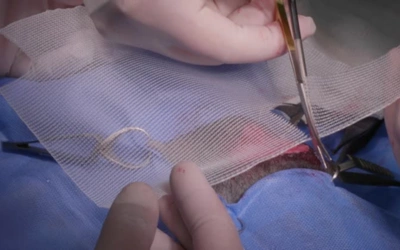
A hernia mesh infection occurs when bacteria infect the surgical mesh placed during a hernia repair procedure. Surgical mesh is a medical device used to reinforce weakened tissues and provide additional strength to the abdominal wall. It helps reduce the chances of hernia recurrence.
In some cases, bacteria may enter the surgical site during or after the procedure and attach to the mesh surface. Since the mesh is a foreign material, infections involving it can sometimes be difficult to treat with antibiotics alone.
A hernia mesh infection may develop soon after surgery or appear months or even years later. The severity depends on factors such as the type of infection, location of the mesh, and the patient’s overall health.
Not sure if your symptoms indicate a mesh infection? Let’s look at the common warning signs.
Common Symptoms of Hernia Mesh Infection

Symptoms of an infected hernia mesh may include:
- Persistent pain or discomfort around the surgical area
- Redness, warmth, or swelling near the incision site
- Pus or unusual discharge from the wound
- Fever or chills
- Tenderness around the repaired area
- Delayed wound healing
- Recurring swelling or fluid collection near the mesh
- A feeling of pressure or discomfort around the repaired hernia site
Some infections may present with mild symptoms initially and gradually worsen over time.
How does an infection occur after mesh placement? Let’s discuss the possible causes.
What Causes Infection After Hernia Mesh Surgery?
Several factors can contribute to a hernia mesh infection, including:
· Bacterial contamination during surgery: Bacteria may enter the surgical area despite strict infection-control measures.
· Poor wound healing: Conditions such as diabetes or reduced immunity can affect healing.
· Fluid collection: Accumulation of fluid around the mesh may increase infection risk.
· Smoking: Smoking can slow tissue healing and increase complications.
· Previous infections: A history of infections near the surgical area may increase risk.
· Foreign body reaction: In some cases, the body’s reaction to the mesh may contribute to inflammation.
Following proper surgical care and post-operative instructions can help reduce these risks.
Can mesh infections appear at different times? Let’s explore early and delayed symptoms.
Early and Delayed Signs of Hernia Mesh Infection
Early Signs:
- Increased pain after surgery instead of gradual improvement
- Redness and swelling around the incision
- Fever and chills
- Wound discharge
- Slow healing of the surgical wound
Delayed Signs:
- Persistent discomfort months after surgery
- Recurrent swelling around the repair area
- Chronic drainage from the incision
- Formation of a sinus tract near the mesh
- Recurring symptoms similar to the original hernia
Delayed infections may be harder to identify because they can occur long after the initial surgery.
Need clarity about diagnosis? Let’s understand how mesh infection is detected.
How Is a Hernia Mesh Infection Diagnosed?

Diagnosis of a hernia mesh infection may involve:
· Physical examination: The surgical site is examined for swelling, tenderness, redness, and discharge.
· Medical history review: Previous surgeries, symptoms, and timing of discomfort are evaluated.
· Blood tests: These may help identify signs of infection or inflammation.
· Imaging tests: Ultrasound or CT scans can help detect fluid collections, abscesses, or inflammation around the mesh.
· Wound culture: A sample of discharge may be tested to identify the bacteria causing infection.
Accurate diagnosis helps determine whether conservative treatment or surgical intervention is required.
What treatments are available for an infected mesh? Let’s explore the possible approaches.
Treatment Options for Hernia Mesh Infection

Treatment depends on the severity and timing of the infection.
1. Antibiotic Therapy
Mild infections may sometimes be managed with antibiotics, especially when detected early. The choice of medication depends on the bacteria causing the infection.
2. Drainage of Infection
If fluid or an abscess develops around the mesh, drainage may be required to control the infection.
3. Wound Care
Proper wound cleaning and monitoring can support healing in selected cases.
4. Surgical Intervention
In persistent or severe cases, removal of the infected mesh may be necessary. This is considered when the infection does not respond to other treatments.
Advanced procedures like laparoscopic hernia surgery may help manage certain complex hernia conditions depending on individual requirements.
Does every mesh infection require removal? Let’s understand when removal may be considered.
When Is Hernia Mesh Removal Necessary?
Mesh removal may be recommended when:
- Infection persists despite antibiotic treatment
- There is chronic drainage or abscess formation
- The mesh has become exposed through the skin
- Severe inflammation develops around the implant
- The infection affects surrounding tissues
“Removing infected mesh can help eliminate the source of infection and allow proper healing. The decision depends on the severity of infection, location of the mesh, and overall patient condition,” explains Dr. Rajeev Premnath.
What does recovery look like after treatment? Let’s discuss the healing process.
Recovery After Treatment for Hernia Mesh Infection

Recovery depends on the treatment method used. Patients treated with antibiotics and drainage may recover faster compared to those requiring mesh removal surgery.
Recovery may involve:
- Regular wound care
- Following medication instructions
- Avoiding heavy lifting during healing
- Maintaining a healthy diet
- Attending follow-up evaluations
Complete recovery timelines vary depending on the extent of infection and the type of treatment performed.
Can mesh infection risks be lowered? Let’s explore preventive steps.
How to Reduce the Risk of Hernia Mesh Infection
Some measures that may help reduce risks include:
- Choosing an experienced surgeon for hernia repair
- Maintaining proper wound hygiene after surgery
- Following post-operative instructions carefully
- Managing conditions like diabetes effectively
- Avoiding smoking
- Keeping follow-up appointments
Good surgical practices and appropriate aftercare are important parts of preventing complications.
Not sure when expert help is needed? Let’s understand the signs that require medical evaluation.
When Should You Consult a General and Laparoscopic Surgeon for Hernia Mesh Infection?

You should seek medical evaluation if you experience:
- Persistent pain after hernia surgery
- Fever or signs of infection
- Discharge from the surgical site
- Swelling around the repaired area
- Symptoms that return after initial recovery
Early assessment can help identify complications and prevent the infection from becoming more complex.
Conclusion
A hernia mesh infection is a rare but important complication that requires timely attention. Recognizing symptoms such as persistent pain, swelling, fever, and wound discharge can help with early diagnosis and treatment. While some cases may respond to antibiotics and wound care, severe infections involving an infected hernia mesh may require surgical management.
With advanced surgical expertise and personalized treatment approaches, Dr. Rajeev Premnath focuses on helping patients manage complex hernia conditions effectively and safely.
FAQs
Can a high anal fistula be treated without cutting the sphincter?
Yes. Sphincter-sparing techniques such as LIFT, VAAFT, FiLaC, and advancement flap can treat high fistulas without dividing the sphincter muscle, though success rates are generally lower than traditional fistulotomy.
What is the success rate of sphincter-sparing fistula surgery?
Success rates vary widely by technique, roughly from 60% to over 90% for LIFT in different studies, and comparable or slightly better ranges for VAAFT, with FiLaC generally showing higher failure rates in comparative analyses.
Why would a surgeon choose fistulotomy over a sphincter-sparing technique?
Fistulotomy has a higher single-procedure cure rate. For low fistulas involving minimal sphincter muscle, the incontinence risk is small enough that fistulotomy is often still the preferred first-line option.
Can a sphincter-sparing procedure fail and need to be repeated?
Yes. Failure rates for sphincter-sparing techniques range from roughly 20% to 45% depending on the specific method, meaning some patients need a second procedure, sometimes with a different technique, to achieve cure.
References:
- Vergara-Fernandez O, Espino-Urbina LA. Sphincter-sparing techniques for fistulas-in-ano. World Journal of Gastroenterology, PubMed, 2013.
- Failure rates and complications of four sphincter-sparing techniques for the treatment of fistula-in-ano: a systematic review and network meta-analysis. NIH National Library of Medicine, PMC, 2025.