

Interval appendectomy is the planned removal of the appendix six to eight weeks after an appendicular mass or abscess has settled on antibiotics. Operating immediately through active inflammation carries a high risk of bowel injury and bleeding. Antibiotics control the infection but don’t resolve the underlying disease. Without interval surgery, around 20% of patients have a second acute episode within a year, usually more complicated than the first.
According to Dr. Rajeev Premnath, a trusted General Surgeon in Bangalore, The interval window exists for a reason. Operating through inflamed, oedematous tissue is avoidable. Waiting six to eight weeks gives you cleaner planes, safer surgery, and a straightforward laparoscopic procedure instead of a difficult open one.
What Makes Certain Port Sites More Vulnerable to Hernia?
Size and location are the main variables. Closure technique is what determines whether those variables become a problem.
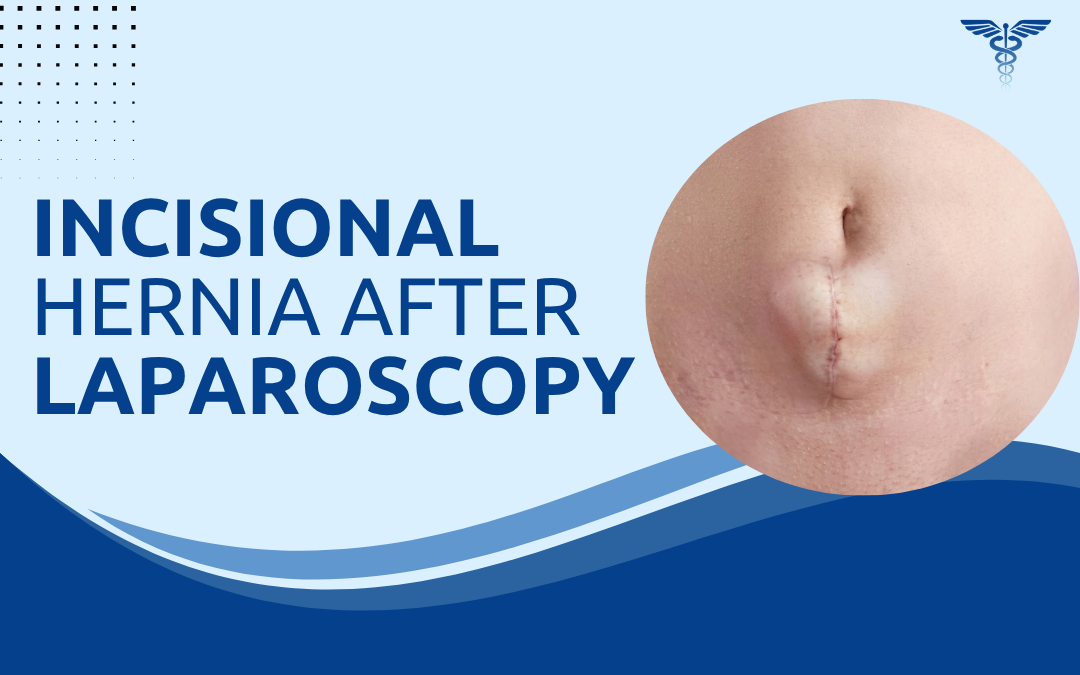
- Port size: Trocar sites of 10mm or larger create a fascial defect large enough to herniate through. The 12mm umbilical port in laparoscopic cholecystectomy and appendectomy is the most common culprit. Five millimetre ports in adults rarely need fascial closure.
- Umbilical location: The umbilicus has thinner fascia and less subcutaneous support than lateral sites. A trocar here, even with good closure, carries a higher background hernia risk than the same size port placed in the iliac fossa.
- Inadequate fascial closure is the most preventable cause and also the most common one. Closing only the skin over a 10mm umbilical port leaves the fascial defect open. The peritoneum seals fast but fascia doesn’t, and bowel can find its way through within weeks.
- Patient risk factors: Obesity, wound infection, chronic cough, and early heavy lifting all apply mechanical stress to a healing fascial repair that it wasn’t designed to handle so soon after surgery.
Managing these risks starts with correct operative technique. A thorough assessment before and after hernia surgery keeps port site complication rates low.
How Are Port Site Hernias Diagnosed and Treated?
Diagnosis is usually clinical. What determines treatment is whether the hernia causes symptoms and how big the defect actually is.
- Diagnosis: A bulge at an old trocar site that increases with standing or coughing is a port site hernia until proven otherwise. Ultrasound confirms defect size and whether bowel is involved. CT is reserved for atypical presentations or when incarceration is suspected.
- Surgical repair: Small defects under 2cm can be closed primarily with non-absorbable suture. Larger defects and recurrences after primary closure need mesh. Skipping mesh on a defect that needs it is how recurrences happen.
- Watchful waiting is acceptable for small asymptomatic hernias in patients where operative risk is genuinely high. But port site defects can incarcerate, and most surgeons recommend repair in fit patients rather than long-term monitoring.
- Laparoscopic repair: The hernia repair itself can be done laparoscopically with mesh placed intraperitoneally or in the preperitoneal space. Same-day discharge in straightforward cases.
Recurrence rates after port site hernia repair are low when mesh is used appropriately. Our previous blog on hernia after surgery covers when physical activity can safely resume after repair.
Why Choose Dr. Rajeev Premnath?
Dr. Rajeev Premnath is a General and Laparoscopic Surgeon with MBBS, MS (Gen Surg.), FRCS (Glasg.), FEBS, FICS, FACS, FIAGES, FMAS, and a Diploma in Laparoscopy from France. Over 20 years at Ramakrishna Super Speciality Hospital, with fascial closure at all significant port sites as a non-negotiable operative step, not something done only on bigger cases.
Port site hernia repair follows the same operative standard as primary hernia surgery. Mesh placement, dissection technique, and post-operative protocol are identical regardless of how the hernia developed.
Bulge or pain at an old laparoscopic port site months after surgery?
FAQs
Can laparoscopic surgery cause an incisional hernia?
Yes. Port site hernias develop at trocar entry points, most commonly at 10mm or larger umbilical port sites.
How common is incisional hernia after laparoscopic surgery?
Rates range from 0.02% to 3% depending on port size, closure technique, and patient risk factors.
Which laparoscopic port sites are most at risk for hernia?
Umbilical and midline ports of 10mm or larger. These require fascial closure at every case without exception.
How is a port site hernia treated?
Symptomatic hernias need surgical repair with mesh. Small asymptomatic ones may be monitored only in high surgical risk patients.
Disclaimer:
This blog is for educational and informational purposes only and should not be considered professional advice.