

Testicular pain can have many causes, from a minor injury or infection to emergencies such as testicular torsion. Sometimes the pain does not begin in the testicle at all. An inguinal hernia, for example, can cause discomfort that extends from the groin into the scrotum. Because some causes need treatment right away, a proper examination is needed to find out what is behind the pain.
As stated by Dr. Rajeev Premnath, a renowned general & laparoscopic surgeon in Bangalore, it is crucial to find out the real cause of testicular pain and swelling before choosing the right treatment. The doctor recommends consulting a specialist at the appearance of constant pain, presence of a lump or increasing swelling. In case of sharp testicular pain, a person needs immediate examination to exclude such serious conditions as testicular torsion.
What can make a testicle hurt? Let’s look at the most common causes.
What Are the Common Causes of Testicular Pain?
Testicular pain can come from the testicle itself, from the tubes and veins around it, or from nearby areas such as the groin and kidney. The table below lists the most common testicular pain causes and the features that usually go with each.
| Possible cause | Typical features |
| Inguinal hernia | Groin bulge, pressure, or discomfort that may extend into the scrotum |
| Testicular torsion | Sudden, severe testicular pain, sometimes with nausea or vomiting |
| Epididymitis | Testicular pain and tenderness, sometimes accompanied by fever or urinary symptoms |
| Hydrocele | Fluid around the testicle causing scrotal swelling, often with little pain |
| Varicocele | Enlarged scrotal veins that may cause a dull ache or heaviness |
| Kidney stone | Pain that may travel from the side or back towards the groin or testicle |
| Injury or trauma | Pain, tenderness, bruising or swelling after a blow or sports injury to the groin or scrotum |
| Orchitis | Painful, swollen testicle, sometimes with fever; may follow a viral infection such as mumps or occur along with epididymitis |
Symptoms can overlap, so this comparison cannot establish a diagnosis. In particular, sudden testicular pain must be treated as an emergency until a serious cause, especially torsion, has been excluded.
Among these causes, an inguinal hernia is the one a general and laparoscopic surgeon is best placed to diagnose and treat. The next sections explain how a hernia leads to testicular pain, how to recognise it and when to seek urgent care.
Can a groin hernia affect the testicles? Let’s understand how the connection develops.
How Does an Inguinal Hernia Cause Testicular Pain or Swelling?
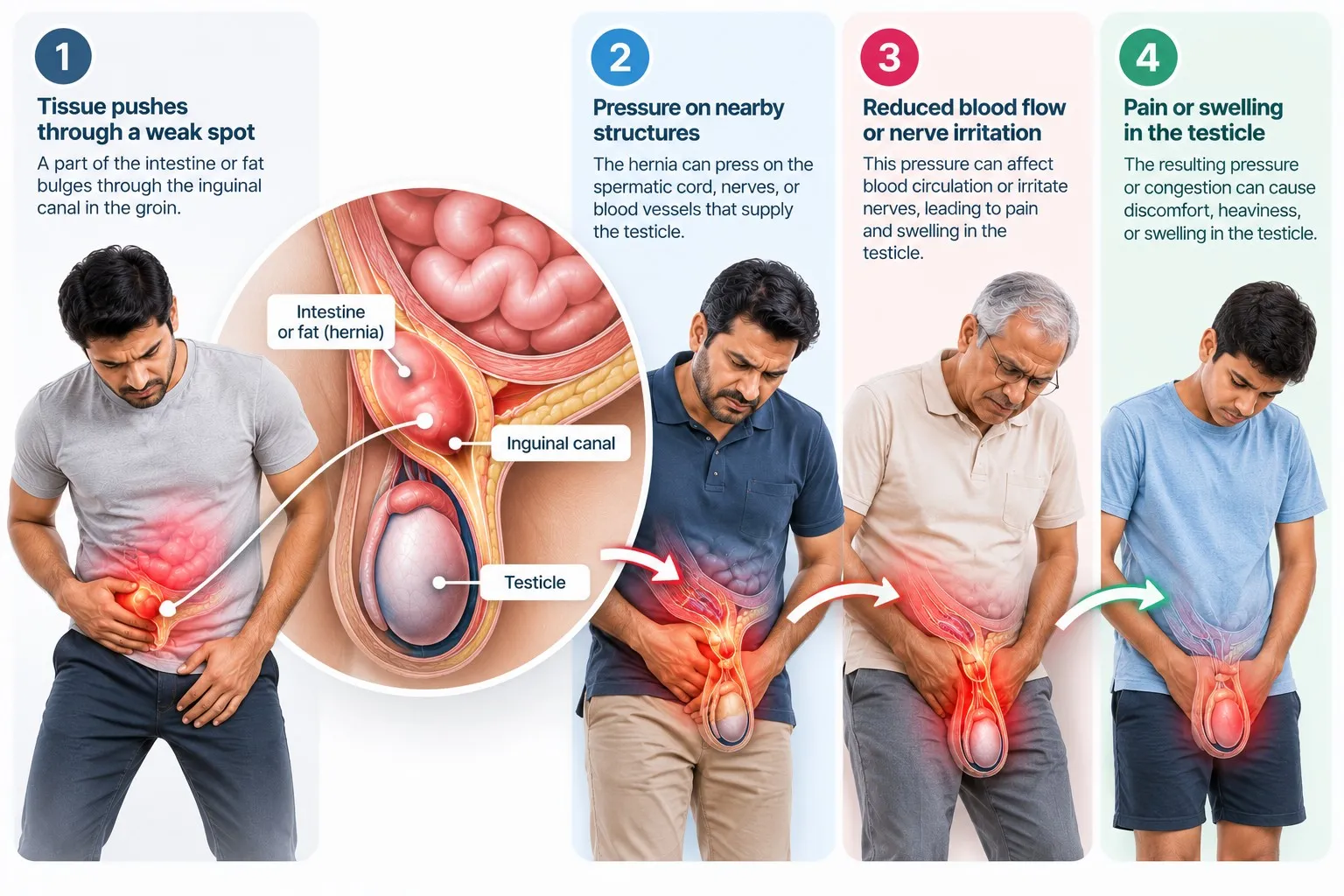
Inguinal hernia is a type of hernia where abdominal tissue such as fat or parts of the intestine, bulges out of a weak area in the groin. In some men, the inguinal hernia may travel down to the scrotum via the inguinal canal and result in inguinoscrotal hernia.
The inguinal hernia can trigger the following ways:
* Pressure on the adjacent tissues: It may exert pressure and create achy or heavy sensation.
* Extension into the scrotum: A larger hernia can cause visible scrotal swelling.
* Pressure while moving: Coughing, lifting weights, walking, or bending can exacerbate the pain.
* Tissue irritation: The pressure in the groin region may lead to pain extending to the testicle.
However, not all inguinal hernias cause testicular problems. The nature and extent of the hernia influence how it presents.
Understand how diltiazem and nitroglycerin ointments differ in effectiveness, side effects, and healing support for anal fissures.
Which symptoms should you look out for? Let’s review the common signs.
What Symptoms Suggest a Hernia Is Behind Your Testicular Pain?
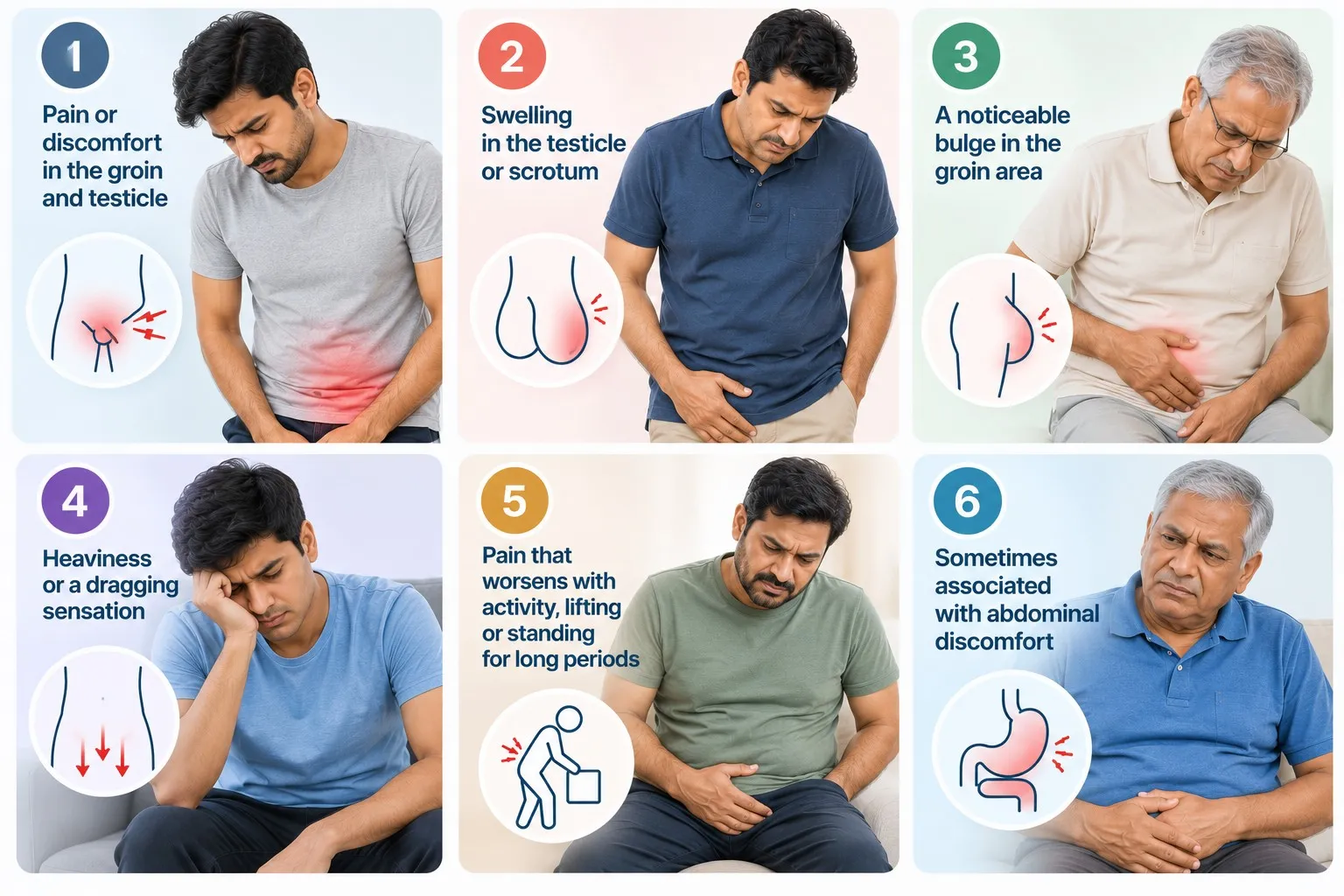
The following symptoms could mean an occurrence of an inguinal hernia extending towards the scrotum:
* Visible bulge in the groin or scrotum area.
* A dull or heavy sensation in the region of the testicle.
* A painful sensation when one coughs, lifts weights, or stands.
* Swelling increasing throughout the day.
* The bulge becomes smaller when lying down.
* Painful pressure during physical activity.
* Difficulty completing daily tasks due to aggravating symptoms.
The scrotal hernia symptoms can differ in every patient. In some cases, a hernia may be painless, while others will hurt significantly.
Do not immediately interpret any testicular lumps as a hernia. One should examine it for any other reasons.
Why might the scrotum become swollen? Let’s explore the possible reasons.
What Causes Testicular Swelling in Patients With an Inguinal Hernia?
In the presence of an inguinal hernia, there might be a possibility of the development of swelling of the testes as the tissue from the abdomen protrudes through the groin and enters the scrotal sac.
It might happen because of the following causes:
* Large hernia: There will be more of the tissues that may protrude into the scrotum.
* Increased pressure in the abdomen: Strain, coughing, or any kind of lifting might lead to bulging.
* The hernia contents are trapped: The tissue is unable to enter back into the abdomen- causing swelling.
* Presence of fluid: A hydrocele or other scrotal condition might lead to swelling.
The hernia will not affect the testicle itself, but in case of complicated hernia it should be evaluated immediately.
Could testicular pain signal a serious complication? Let’s identify the warning signs.
When Is Testicular Pain an Emergency?
You should seek urgent treatment for testicular pain linked to any of the following conditions:
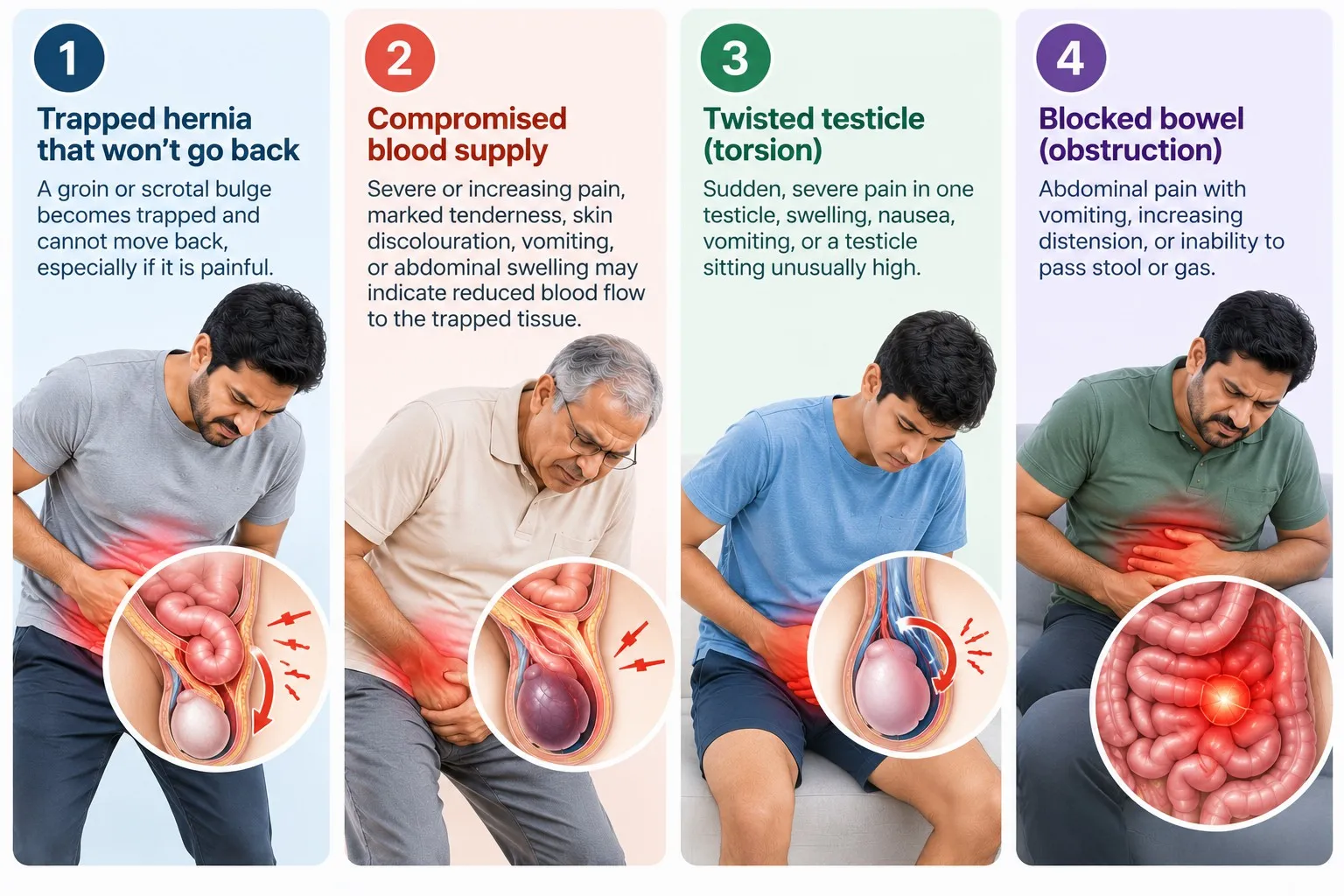
These might need emergency surgery. Don’t try to push the painful bulge back inside yourself or wait for your symptoms to ease up.
How Are the Causes of Testicular Pain Diagnosed?
To find the cause of testicular pain, a surgeon or any other relevant doctor can take several steps:
- Patient history
It will include asking about onset of the pain, its suddenness or gradual appearance, and factors that exacerbate the condition.
- Physical examination
This includes the examination of groin area, abdomen, and scrotum to find bulge, pain, or any abnormality.
- Dynamic examination
The doctor examines the groin when the patient stands and/or coughs.
- Ultrasound investigation
Groin and/or scrotal ultrasound might be helpful to detect a hernia, fluid accumulation, a twisted testicle and other abnormalities.
- Blood and/or urine tests might be required in case when some infection or other diseases need to be ruled out.
When testicular torsion is supposed, urgent treatment should not be delayed by conducting routine tests.
How is testicular pain treated? Let’s see how the cause decides the treatment.
Treatment Options for Testicular Pain Based on the Cause
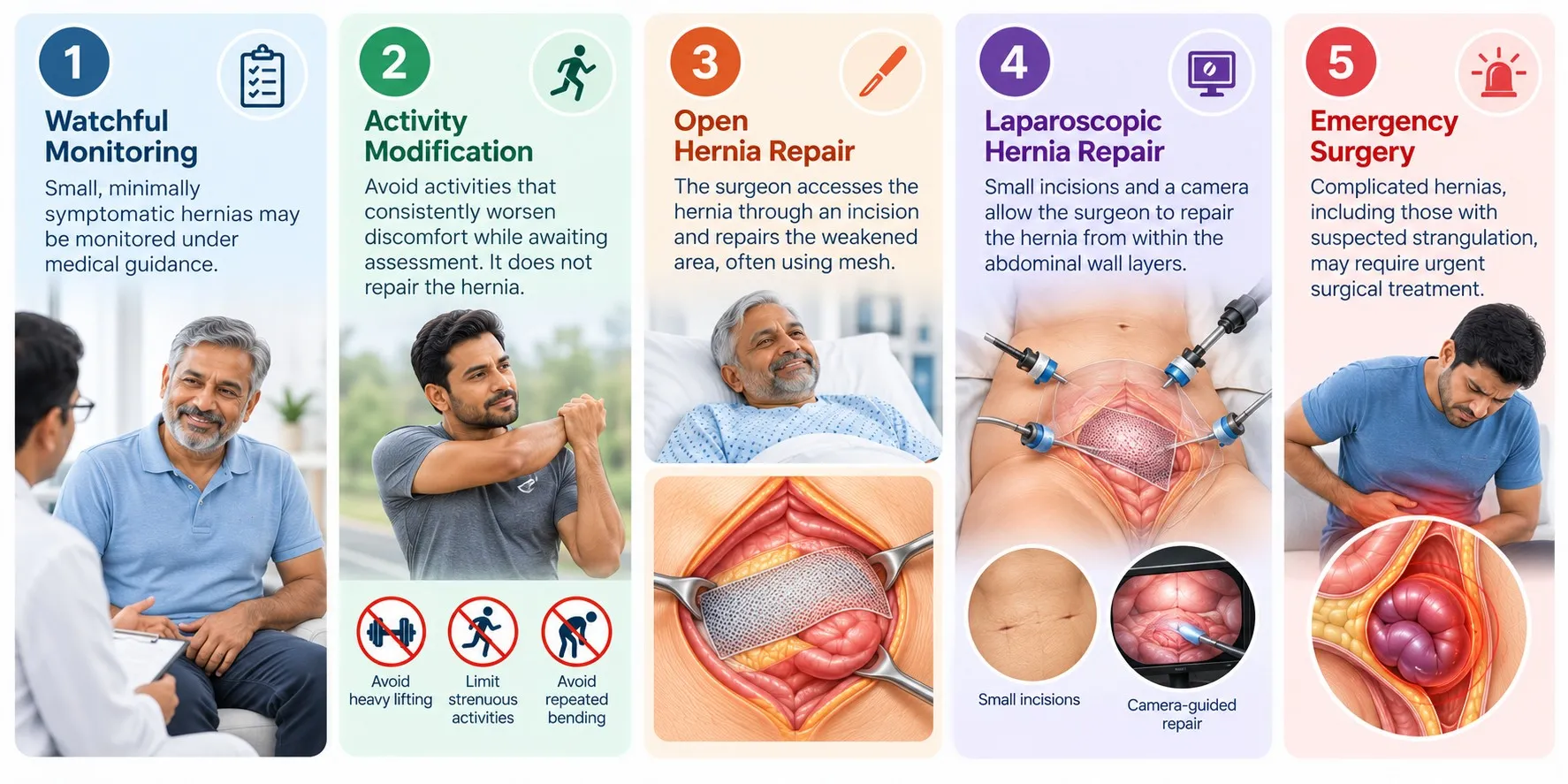
Treatment depends on the underlying cause, the severity of symptoms, any complications, and the patient’s overall health. Testicular torsion needs emergency surgery, infections such as epididymitis are usually treated with medicines, and a painful or complicated hernia may need repair. The options below apply when an inguinal hernia is the cause.
When a hernia is the cause, Dr. Rajeev Premnath offers specialised hernia surgery in Bangalore, with the surgical approach selected according to the patient’s condition and clinical findings.
Are your symptoms affecting everyday life? Let’s understand when specialist assessment is appropriate.
When Should You Consult a General and Laparoscopic Surgeon for Testicular Pain or Swelling?
Schedule an appointment if you suffer from:
* A new or recurrent groin bulge.
* Chronic pain which involves your testicle.
* Scrotal swelling associated with groin pain.
* Aggravated pain while lifting objects, coughing or while standing.
* Recurrence of symptoms following earlier hernia repair.
This will allow a general & laparoscopic surgeon to check whether a hernia is present and explore ways to address your problem. Note: sudden severe testicular pain needs immediate examination instead of waiting for a routine surgical appointment
Find out more information about inguinal hernia surgery and treatment options.
Conclusion
Testicular pain can have many causes, from injury and infection to emergencies such as testicular torsion. An inguinal hernia is one of them, and it can cause pain when it puts pressure on the groin or extends into the scrotum. Symptoms may include aching, heaviness, a groin bulge, or scrotal swelling. Because other conditions can cause similar symptoms, a proper examination is needed to find the real cause.
Dr. Rajeev Premnath provides general and laparoscopic surgical care for hernia conditions, with treatment tailored to each patient’s needs. Early evaluation helps establish the cause and determine whether monitoring or surgery is appropriate.
Do not ignore persistent or worsening symptoms. Seek prompt medical care, and treat sudden, severe testicular pain as an emergency.
FAQs
1. What are the most common causes of testicular pain?
Common causes include injury, epididymitis, orchitis, inguinal hernia, hydrocele, varicocele, kidney stones and testicular torsion. Some are minor, but torsion and a complicated hernia are emergencies.
2. Can an inguinal hernia cause testicular pain?
Yes. An inguinal hernia can cause pressure in the groin area or even extend into the scrotum- causing testicular pain and swelling.
3. What are the symptoms of a hernia in the scrotum?
Symptoms might be a lump in the groin/scrotum area, heaviness, pain, aching that gets worse when you cough and lift things.
4. Is testicular pain always dangerous?
Not always. Mild pain may come from a minor injury or infection, but sudden or severe pain can signal testicular torsion or a complicated hernia and should be examined urgently.
5. Can a hernia cause infertility?
An inguinal hernia doesn’t usually lead to infertility. However, in rare cases and specific surgeries, it might affect your reproductive structures.
6. Does every inguinal hernia require surgery?
Not every hernia needs immediate surgery. Selected men with minimally symptomatic hernias may be monitored, while painful or complicated hernias may require repair.
Disclaimer: The information shared in this content is for educational purposes and not for promotional use.