

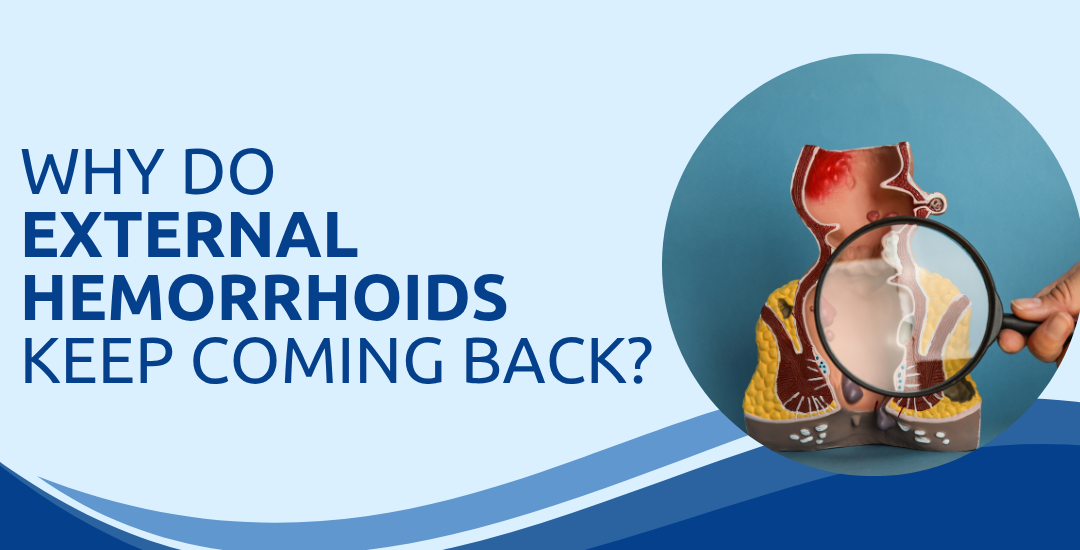
You finally felt relief, and then the discomfort showed up again. For many people, external hemorrhoids feel like a problem that just refuses to stay solved. The bleeding settles, the swelling fades, and within weeks or months, the same nagging symptoms return. It is frustrating, exhausting, and often confusing because most patients believe they did everything right the first time.
According to Dr. Rajeev Premnath, an eminent laparoscopic surgeon and proctologist in Bangalore, recurring external piles rarely happen by chance and almost always trace back to deeper triggers left unaddressed. He often notes that the right treatment, paired with timely lifestyle correction, makes the difference between temporary relief and lasting comfort.
Understanding why this condition keeps returning calls for expert attention. Dr. Rajeev Premnath is a highly skilled surgeon with focused experience in proctology and minimally invasive procedures. He has handled cases ranging from early-stage hemorrhoids to complex recurrent ones and is known for combining accurate diagnosis with practical, patient-friendly care.
In this blog, we’ll walk through why external piles keep returning, what makes some treatments fall short, and how the right combination of medical care and lifestyle changes can finally break the cycle.
What Are External Hemorrhoids?
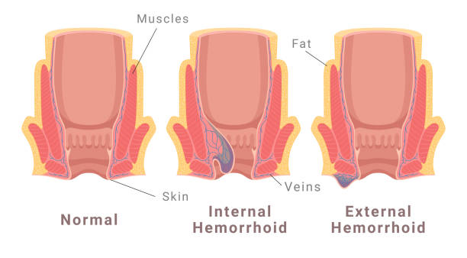
External hemorrhoids are swollen blood vessels that develop under the skin around the anus. Unlike internal hemorrhoids, which sit higher up inside the rectum and are usually painless, external ones lie in a sensitive area packed with nerve endings. That is why they can hurt so much.
Common symptoms include:
- Pain or discomfort while sitting, walking, or passing stool
- A visible lump around the anal opening
- Itching or irritation in the surrounding skin
- Bleeding, usually as a small streak of bright red blood
- Swelling that comes and goes in episodes
The biggest difference from internal hemorrhoids is location and feel. Internal ones may bleed without causing pain and often go unnoticed until severe. External piles, on the other hand, make their presence known almost immediately because of the discomfort and visible swelling.
What keeps pulling the same problem back into your life? Let’s explore the common triggers behind it.
Common Causes of Recurring External Hemorrhoids

Several factors are usually at play when external hemorrhoids keep returning:
- Chronic constipation. Hard stools force constant straining, which damages the same veins again and again.
- Long hours of sitting. Desk jobs, long commutes, and sedentary routines increase pressure in the anal region.
- Low-fibre diet. A diet light on fruits, vegetables, and whole grains makes stools harder to pass.
- Inadequate water intake. Dehydration directly contributes to constipation.
- Heavy lifting or strenuous workouts. Repeated pressure on the abdomen pushes blood into the anal veins.
- Pregnancy and childbirth. Hormonal changes and pressure on pelvic veins often trigger repeat episodes.
- Obesity. Extra body weight adds steady pressure on the lower rectum.
- Ignoring the urge to pass stool. Delaying bowel movements leads to harder stools and more straining later.
- Genetic predisposition. Some people simply have weaker vein walls in this region.
Recurring external hemorrhoids almost always link back to one or more of these triggers running in the background.
Wondering why a treatment that worked once stops working later? Let’s discuss the reasons most people overlook.
Why Treatments Sometimes Fall Short of Preventing Recurrence

A treatment that brings instant relief doesn’t always offer lasting protection, and the reasons are surprisingly common:
- Symptom relief without root cause fix. Creams, ointments, and home remedies ease pain but do little to address the underlying habits that cause the problem.
- Incomplete treatment. Stopping medication or follow-up care once symptoms ease leaves the door open for recurrence.
- Wrong treatment for the grade. A simple procedure may work for mild cases but fall short for advanced or stubborn ones.
- Lifestyle stays unchanged. Going back to the same diet, sitting hours, and bathroom habits invites the problem right back.
- Skipped medical evaluation. Self-treating without a proper diagnosis means triggers like chronic constipation or anal fissures go unaddressed.
- No long-term plan. Treatment without preventive guidance leaves patients managing flare-ups on their own.
“Lasting results come from pairing the right medical approach with the right daily habits. Skipping either side keeps the cycle alive,” mentions Dr. Rajeev Premnath.
Tired of flare-ups that keep stealing your comfort? Connect with an expert and put an end to the cycle of repeats.
How do everyday habits shape your chances of a flare-up? Let’s delve into the lifestyle factors that matter most.
Lifestyle and Dietary Factors That Affect Recurrence

Your daily routine has more influence than you might think. Small tweaks can dramatically reduce recurrence:
- Eat more fibre. Fruits, vegetables, oats, whole grains, and legumes soften stool and ease bowel movements.
- Stay well hydrated. Aim for steady water intake through the day, not just with meals.
- Move regularly. Even a brisk twenty-minute walk improves digestion and circulation.
- Avoid prolonged sitting. Stand up and stretch every hour, especially if you work at a desk.
- Skip straining on the toilet. Give your body time, and avoid scrolling on the phone for long stretches.
- Respond to the urge promptly. Delaying can make stools harder and bowel movements more painful.
- Cut back on spicy and processed foods. These can irritate the digestive tract and worsen symptoms.
- Limit alcohol and caffeine. Both can dehydrate the body and trigger constipation.
These changes look simple, but they are the foundation of preventing chronic hemorrhoids.
What you do after treatment matters as much as the treatment itself, right? Let’s explore the aftercare steps that protect your results.
Post-Treatment Care to Reduce Recurrence
Once treatment is done, the next few weeks shape your long-term outcome. Proper aftercare makes all the difference:
- Follow the surgeon’s instructions strictly. Medications, dressings, and sitz baths all play a role.
- Stick to a high-fibre diet. Softer stools prevent straining on the healing tissue.
- Drink plenty of fluids. Keeps digestion smooth and recovery on track.
- Avoid heavy lifting. Give your body two to four weeks of light activity.
- Maintain hygiene. Gentle cleaning with warm water, no harsh soaps.
- Use sitz baths. Soaking in warm water several times a day soothes the area and supports healing.
- Attend follow-up visits. Regular checks help catch any issues early.
- Watch for warning signs. Excess bleeding, fever, or severe pain calls for prompt medical attention.
“Aftercare is about more than healing the current episode. It is about training your body and habits to prevent the next one,” states Dr. Rajeev Premnath.
Not sure when self-care is enough and when you need help? Let’s discover the signs that call for a specialist visit.
When to See a Doctor for Recurring Hemorrhoids

Some flare-ups settle on their own, but others need expert attention. See a doctor if you notice:
- Bleeding that keeps happening. Repeated bleeding should always be evaluated.
- A lump that won’t go away. Persistent swelling needs proper examination.
- Pain that affects daily life. Discomfort that lasts more than a week deserves a check.
- Frequent return of symptoms. Recurring external hemorrhoids point to deeper triggers.
- Changes in bowel habits. Sudden shifts can sometimes signal other conditions.
- No improvement with home care. When fibre, hydration, and ointments stop working, a specialist visit is overdue.
A consultation with a trusted proctologist can identify whether the issue is simply hemorrhoids or something that needs a closer look.
How to prevent external piles? Let’s dive into the long-term strategies that actually work.
Long-Term Outlook and Prevention Strategies
The good news is that with the right plan, most people can stay flare-up free for years. A long-term outlook focuses on prevention as much as treatment:
- Build a fibre-rich diet as a daily habit, not a short-term fix.
- Drink water consistently throughout the day to keep stools soft.
- Stay active with regular walks, stretching, and core-friendly workouts.
- Maintain a healthy weight to reduce pressure on pelvic veins.
- Keep bathroom visits short and avoid straining.
- Manage chronic conditions like constipation or IBS with medical guidance.
- Schedule routine check-ups if you have a history of repeated episodes.
- Choose the right medical care early. A seasoned expert can offer a treatment plan suitable for your case, not just a quick fix.
Prevention works best as a combination of consistent habits and timely medical attention.
Ready to prevent recurring flare-ups? Speak with a specialist for a long-term prevention plan.
Conclusion:
External piles that keep coming back are rarely random. They reflect a mix of daily habits, dietary patterns, and treatment gaps that quietly add up over time. The cycle can be broken with the right approach, and that involves more than just relief from a single episode. A proper diagnosis, the right treatment for your grade of hemorrhoids, consistent aftercare, and steady lifestyle changes together build the long-term result you’re looking for.
If repeat flare-ups have become a part of your routine, it is time to look beyond temporary fixes. Personalised guidance and a clear plan from a seasoned expert like Dr. Rajeev Premnath can give you back the comfort you deserve.
FAQs
1. Why do external hemorrhoids keep coming back?
Repeat episodes usually stem from chronic constipation, low fibre intake, long sitting hours, and habits that pressure the anal veins.
2. Can external piles be cured permanently?
With the right treatment and lifestyle changes, many patients stay symptom-free for years. Prevention is key to long-term results.
3. Are recurring hemorrhoids dangerous?
Most are not harmful, but persistent bleeding or pain should always be checked to rule out other conditions.
4. Can stress cause hemorrhoids to come back?
Stress can affect digestion and bowel patterns, indirectly contributing to recurrence.
5. Is surgery the only option for chronic hemorrhoids?
No. Many cases respond to lifestyle changes and minor procedures. Surgery is considered when other methods fall short.
Disclaimer:
The information shared in this content is for educational purposes and not for promotional use.