

Hemorrhoids are one of the most common conditions affecting adults across all age groups. They are swollen blood vessels in and around the anal region that cause pain, bleeding, itching, and persistent discomfort. While many cases settle with simple home care and the right habits, others need timely medical attention to prevent complications.
According to Dr. Rajeev Premnath, the smartest way to tackle piles is by combining lifestyle correction with the right medical guidance. He often reminds patients that early action leads to smoother relief and a much lower risk of recurrence.
Dr. Rajeev Premnath is an acclaimed general and laparoscopic surgeon in Jayanagar, Bangalore with focused experience in proctology and minimally invasive procedures. He has treated a wide range of cases, from mild flare-ups to chronic recurrent ones, and is known for blending accurate diagnosis with practical, patient-friendly care. His approach goes beyond temporary fixes, offering personalised plans that address both the symptoms and the root causes.
Curious how doctors confirm it is really piles and not something else? Let’s explore the diagnostic steps involved.
How Are Hemorrhoids Diagnosed?
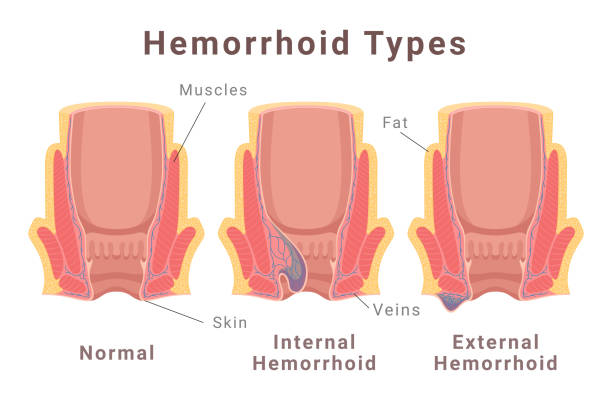
A proper diagnosis is the foundation of effective hemorrhoids treatment. It usually combines a few simple but important checks:
- Medical history review. The doctor asks about symptoms, bowel habits, diet, and family history.
- Visual examination. A close look at the anal area helps spot external piles, swelling, or skin tags.

- Digital rectal exam. A gloved finger check helps detect internal hemorrhoids or other issues.

- Anoscopy or proctoscopy. A small lighted tube provides a clear view of the lower rectum and anal canal.

- Colonoscopy in select cases. Recommended when bleeding patterns or age call for ruling out other conditions.
A thorough evaluation by a seasoned proctologist ensures that the right grade is identified and that the piles treatment plan is tailored to your specific case.
Spotted symptoms but unsure about the cause? Connect with an expert for an accurate diagnosis and the right plan.
Which strategies actually work and which fall short? Let’s dive into the top 7 ways that deliver real relief.
Top 7 Ways to Get Rid of Hemorrhoids
- Increase Fiber Intake

Fibre is the foundation of healthy bowel movements. A high-fibre diet softens stools, eases pressure on anal veins, and reduces straining. Build it into every meal:
- Fruits like apples, pears, berries, and papaya
- Vegetables such as spinach, carrots, and broccoli
- Whole grains, including oats, brown rice, and whole wheat
- Legumes like lentils, beans, and chickpeas
- Seeds and nuts for an easy fibre boost
Aim for 25-30 grams of fibre daily, gradually increasing to avoid bloating.
- Stay Hydrated

Fibre and water work as a team. Without enough fluids, even a fibre-rich diet can fall short. Steady hydration keeps stools soft and easier to pass.
- Drink eight to ten glasses of water a day
- Include hydrating foods like cucumber, watermelon, and citrus fruits
- Limit alcohol and excess caffeine, as both can dehydrate the body
- Sip water throughout the day, not just at meals
This one simple habit can dramatically reduce constipation and flare-ups.
- Use Sitz Baths

Sitz baths are one of the oldest and most soothing remedies for piles. Sitting in warm water relaxes the anal muscles, eases pain, and reduces swelling.
- Use plain warm water, no harsh additives
- Soak for 10 to 15 minutes, two to three times a day
- Repeat after bowel movements for added comfort
- Pat the area dry gently, avoiding rubbing
Many patients feel meaningful relief within just a few days of consistent use.
- Apply Topical Treatments

Over-the-counter creams and ointments can ease itching, pain, and inflammation. They work best as part of a wider plan, not as a standalone fix.
- Hydrocortisone creams for short-term inflammation relief
- Witch hazel pads for itching and irritation
- Lidocaine ointments for temporary pain relief
- Doctor-prescribed gels for stubborn or recurring symptoms
Always check with a specialist before extended use, as prolonged self-treatment can mask deeper issues.
- Practice Good Hygiene

Gentle and consistent hygiene supports healing and prevents irritation. Small changes in your routine can make a real difference.
- Clean the area with warm water after every bowel movement
- Skip harsh soaps and scented wipes
- Pat dry softly with a cotton cloth
- Wear breathable cotton underwear
- Change clothes promptly after sweating or exercising
These small steps protect sensitive tissue and reduce the risk of infection.
- Exercise Regularly

Movement keeps digestion smooth and circulation healthy. Both are key to keeping piles in check.
- Walk briskly for 20 to 30 minutes daily
- Try yoga poses that improve digestion and pelvic strength
- Add light core workouts to support bowel function
- Avoid heavy lifting that strains the abdomen
A simple, steady routine works better than intense bursts of activity.
- Avoid Straining During Bowel Movements

Straining is one of the biggest triggers behind piles and a major reason they keep coming back. Small habit changes here go a long way.
- Respond to the urge promptly; never delay
- Sit, don’t squat for long periods
- Skip scrolling on the phone during bathroom visits
- Use a small footstool to ease the natural position
- Take your time without forcing the process
Gentle bowel habits protect healing tissue and prevent fresh flare-ups.
Not sure if it is time to seek help or wait it out? Let’s discover the warning signs you shouldn’t ignore.
When Should You See a Doctor?

Some symptoms call for prompt medical attention rather than home care:
- Bleeding that keeps happening during bowel movements
- A lump that won’t go away around the anal area
- Severe or worsening pain that disrupts daily life
- Symptoms returning frequently despite lifestyle changes
- Heavy or unusual bleeding that needs evaluation
- No improvement after a week of home care
- Changes in bowel habits that feel out of the ordinary
A timely consultation with a reliable specialist can identify the right course of hemorrhoids treatment and rule out other conditions.
What happens if piles are not addressed for too long? Let’s discuss the risks worth knowing.
Potential Complications of Untreated Hemorrhoids

Ignoring symptoms can turn a manageable problem into a serious one. Potential complications include:
- Chronic blood loss. Persistent bleeding can lead to anaemia over time.
- Thrombosed hemorrhoids. A painful blood clot may form inside an external pile.
- Strangulated hemorrhoids. Internal piles can lose their blood supply, causing intense pain.
- Recurrent infections. Open or irritated tissue raises the risk of infection.
- Skin tags and chronic irritation. Long-standing piles often leave residual tissue.
- Fissures and fistulas. Untreated cases sometimes lead to other anorectal issues.
- Worsening quality of life. Ongoing pain affects sleep, work, and daily comfort.
The earlier you act, the simpler the treatment for the piles and the smoother the recovery.
How to keep piles from showing up in the first place? Let’s explore prevention strategies that genuinely work.
Prevention Tips for Hemorrhoids
A few steady habits can dramatically lower your risk of flare-ups:
- Eat a fibre-rich diet as a daily routine
- Drink water consistently throughout the day
- Stay active with regular walking and stretching
- Maintain a healthy weight to ease pelvic pressure
- Respond to bowel urges promptly
- Skip long bathroom sessions and phone scrolling
- Limit heavy lifting when possible
- Manage chronic constipation with medical guidance
- Schedule regular health check-ups, especially if you have a history of piles
Prevention works best when it becomes a lifestyle, not a short-term effort.
Conclusion
Hemorrhoids are common, but they don’t have to control your daily comfort. The right combination of dietary changes, hydration, gentle hygiene, regular movement, and timely medical support can deliver real, lasting relief. The seven strategies in this guide work best when followed consistently and paired with expert guidance for stubborn or recurring cases. Acting early always beats waiting until things worsen.
If symptoms keep returning or do not settle with home care, a proper evaluation by a competent professional like Dr. Rajeev Premnath is the smartest next step. Personalised treatment plans tailored to your case can finally break the cycle and restore your quality of life.
Tired of dealing with piles? Speak with a specialist and take the first step toward lasting relief.
FAQs
1. Are hemorrhoids dangerous?
Most are not harmful, but ongoing bleeding or severe pain should always be evaluated to rule out other conditions.
2. Is surgery always needed for hemorrhoids?
No. Many cases respond to lifestyle changes and minor procedures. Surgery is considered for advanced or recurring cases.
3. Can piles come back after treatment?
They can, especially when lifestyle triggers are not addressed. Prevention plays a major role in long-term results.
4. Is bleeding from piles serious?
A small amount is common, but persistent or heavy bleeding should always be checked by a doctor.
5. Can children get hemorrhoids?
It is rare in children but possible, usually linked to chronic constipation or other underlying issues.
Disclaimer:
This blog is for educational and informational purposes only and should not be considered professional advice.