

Bleeding hemorrhoids happen when swollen veins inside or around the anus get irritated enough to leak blood. Most people spot it first as a streak of red on toilet paper, and it can feel alarming. In a lot of cases, though, that bleeding points to a hemorrhoid rather than anything dangerous. Hemorrhoids, or piles, are very common. Bleeding is simply one of the clearest signals they need attention.
Dr. Rajeev Premnath, a well-recognized laparoscopic surgeon and proctologist in Jayanagar, Bangalore, says, “Bleeding from the rectum should never be brushed aside. Even when hemorrhoids are the likely cause, an early check rules out anything more serious and keeps treatment simple.”
Dr. Premnath treats hemorrhoids using both non-surgical and surgical methods, and the plan he suggests depends on how advanced the problem is. Some patients improve with diet changes and minor procedures. Others need surgery. Either way, the goal stays the same, stopping the bleeding and easing the discomfort that comes with it.
In this blog, we’ll look at what bleeding hemorrhoids are, walk through 7 symptoms worth watching, and cover how the condition is diagnosed and treated.
What Are Bleeding Hemorrhoids?
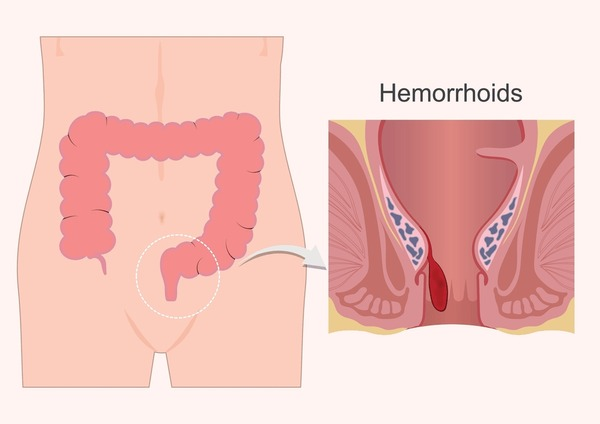
Hemorrhoids are swollen veins in the lower rectum and anus. Internal ones sit inside the rectum. External ones form under the skin around the anal opening. When the surface of these swollen veins gets scraped or stretched, usually during a hard bowel movement, they bleed.
Internal hemorrhoids bleed more often than external ones, and they tend to do so without much pain. Straining, constipation, long hours of sitting, pregnancy, and a low-fiber diet all push up the risk.
Wondering how a doctor confirms it’s hemorrhoids and not something else? Here’s what an exam usually involves.
How Are Bleeding Hemorrhoids Diagnosed?
Diagnosis is usually quick and done in the clinic. Common steps include:

Physical Examination
The doctor checks the anal area for external hemorrhoids, swelling, or visible irritation.

Digital Rectal Exam
A gloved, lubricated finger is inserted into the rectum to feel for lumps or other abnormalities.

Anoscopy
A short, tube-shaped instrument called an anoscope is used to view the anal canal and spot internal hemorrhoids.

Proctoscopy
A longer scope examines the rectum and lower colon when a closer look is needed.

Sigmoidoscopy or Colonoscopy
If bleeding is heavy or unexplained, these tests help rule out other causes such as polyps or inflammatory conditions.
Noticing blood and not sure what’s behind it? Connect with a specialist for an accurate diagnosis and a treatment plan made for you.
Not every bit of bleeding looks the same. Let’s go through the 7 symptoms.
7 Bleeding Hemorrhoids Symptoms
- Bright Red Blood on Toilet PaperThis is the most common sign. You wipe and see a smear of fresh, bright red blood. It usually means the bleeding is recent and coming from low in the anal canal.
- Blood Dripping into the Toilet BowlSometimes the bleeding is heavier. A few drops fall into the bowl after you pass stool, tinting the water red. It can look like more blood than it really is.
- Blood Coating or Streaking the StoolYou might see blood on the outside of the stool rather than mixed through it. Surface streaking points to hemorrhoids. Blood blended into the stool is a reason to get checked sooner, since that pattern can come from higher up.
- Painless Bleeding During Bowel MovementsInternal hemorrhoids often bleed without hurting at all. Many people only realize something is wrong because of the blood, not because of any pain.
- Bleeding Paired with Itching and IrritationBleeding rarely shows up alone. The same swollen veins cause itching, dampness, and a raw feeling around the anus that lingers after a bowel movement.
- Bleeding from a Lump That Slips OutWith more advanced internal hemorrhoids, a soft lump may push out through the anus during straining. That prolapsed tissue is fragile, so it bleeds easily and can stain underwear.
- Bleeding Along with Mucus DischargeSome patients notice a clear or slightly cloudy mucus on the stool or paper, mixed with traces of blood. It often comes with prolapsed hemorrhoids and a sense of incomplete emptying.
Not sure when bleeding crosses the line from mild to serious? Here’s what to watch for.
When Should You Seek Medical Help for Bleeding Hemorrhoids?
See a doctor if:
- Bleeding Won’t Stop:Bleeding that keeps happening for several days, or that gets heavier, needs a proper evaluation.
- You Feel Dizzy or Unusually Tired:Ongoing blood loss can leave you weak. Don’t ignore that.
- The Blood Is Dark or Mixed Into the Stool:This pattern can signal a cause other than hemorrhoids and should be checked.
- There’s Severe Pain or Signs of Infection:Intense pain, warmth, or pus around the area calls for prompt medical advice.
Curious what happens if bleeding hemorrhoids are left alone? Read on.
Potential Complications of Untreated Bleeding Hemorrhoids
Ignoring the problem can lead to:
- Anemia:Steady blood loss, even in small amounts, can drop your iron levels over time and leave you fatigued.
- Thrombosis:A clot can form inside an external hemorrhoid, causing sudden, sharp pain and a hard lump.
- Strangulated Hemorrhoid:A prolapsed hemorrhoid can have its blood supply cut off, which is painful and needs urgent care.
- Infection:An irritated, bleeding hemorrhoid can become infected, sometimes forming an abscess.
Want to keep bleeding hemorrhoids from coming back? A few habits go a long way.
Prevention Tips for Bleeding Hemorrhoids
- Eat More Fiber:Fruits, vegetables, and whole grains soften stool and cut down on straining.
- Drink Enough Water:Hydration keeps stool easy to pass.
- Don’t Delay Bowel Movements:Holding it in makes stool harder and drier.
- Skip the Straining:Pushing hard puts pressure on those veins. Give it time instead.
- Get Up and Move:Regular activity keeps the bowels working and lowers pressure around the anus.
Conclusion
Bleeding is the symptom that brings most people with hemorrhoids to a doctor, and that’s a good thing. Caught early, the condition is very treatable, often without surgery. The blood itself is rarely the danger. What matters is finding out why it’s happening.
If you’re seeing blood with bowel movements, or any of the symptoms above sound familiar, get evaluated by an experienced specialist like Dr. Rajeev Premnath. A quick check brings clarity and the right care.
Looking for dependable treatment for bleeding hemorrhoids? Reach out to explore your options and get the care you need.
FAQs
1. Is it normal for hemorrhoids to bleed?
Mild bleeding is common with hemorrhoids, but it should still be checked to confirm the cause.
2. How much bleeding from hemorrhoids is too much?
Heavy bleeding, blood that won’t stop after a few days, or feeling weak and dizzy all warrant a doctor’s visit.
3. Can bleeding hemorrhoids heal on their own?
Mild cases often settle with more fiber, water, and less straining, but persistent bleeding needs treatment.
4. What color is hemorrhoid bleeding?
Hemorrhoid blood is usually bright red. Dark or maroon blood may point to a different cause and should be evaluated.
5. Can bleeding hemorrhoids be treated without surgery?
Yes, many respond to lifestyle changes or minor procedures like banding. Surgery is reserved for advanced cases.
https://www.health.harvard.edu/diseases-and-conditions/hemorrhoids_and_what_to_do_about_them
https://my.clevelandclinic.org/health/diseases/15120-hemorrhoids
Disclaimer: The information shared in this content is for educational purposes and not for promotional use.