

Piles, or hemorrhoids, are swollen veins in the rectum or anus that cause pain, itching, and bleeding. They can result from prolonged sitting, pregnancy, constipation, or a low-fiber diet. While many cases can be managed with lifestyle changes, some may require medical intervention. Rubber band ligation for piles is a minimally invasive option that provides quick relief for internal hemorrhoids not responding to conservative treatments.
Dr. Rajeev Premnath, an accomplished laparoscopic surgeon & proctologist in Jayanagar, Bangalore, explains, “Rubber Band Ligation is an effective, non-surgical procedure for treating hemorrhoids that minimizes recovery time and provides long-lasting relief.”
With extensive expertise in hemorrhoid treatment without surgery, Dr. Premnath has helped numerous patients achieve relief from pain and discomfort. His approach to piles treatment is patient-centric, focusing on personalized care to ensure the best possible outcomes for his patients. Whether you’re dealing with mild or severe piles, Dr. Premnath offers effective solutions tailored to your needs.
In this blog, we’ll walk you through the details of rubber band ligation for piles, including how the procedure works, its benefits, what you can expect during the procedure, and potential risks.
What is Rubber Band Ligation for Piles?

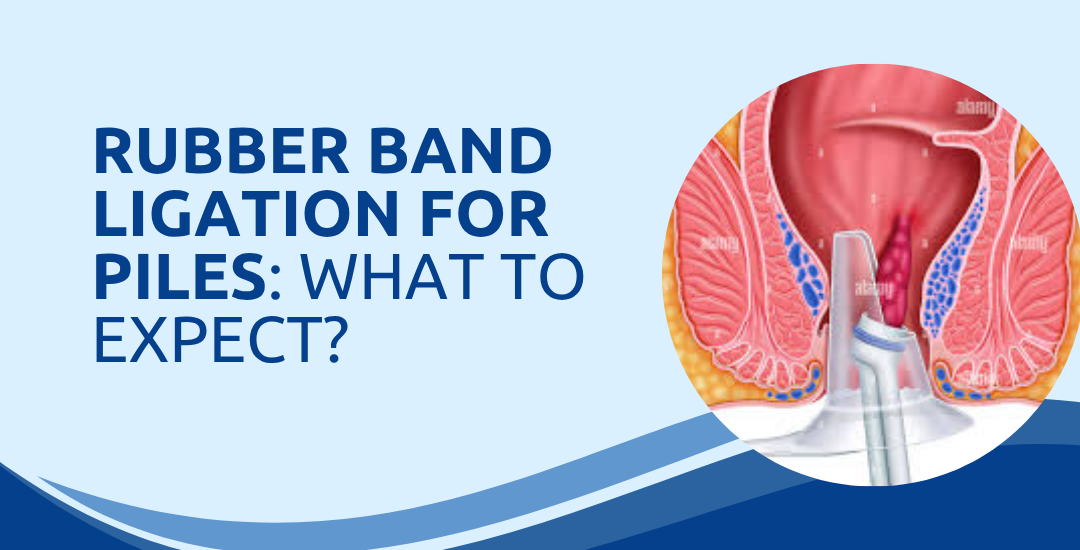
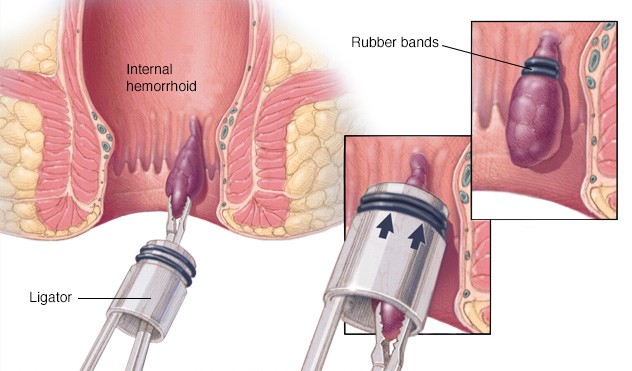
Rubber band ligation is a minimally invasive procedure used to treat internal hemorrhoids. During the procedure, a small rubber band is placed around the base of the hemorrhoid to cut off its blood supply. Without blood flow, the hemorrhoid shrinks, eventually falling off within a few days to weeks. The procedure is typically performed in a doctor’s office or clinic and requires only local anesthesia. It is highly effective for treating second and third-degree hemorrhoids.
Is rubber band ligation the right treatment for you? Let’s explore when it’s recommended.
When is Rubber Band Ligation Recommended?
Rubber band ligation for piles is typically recommended when:
1. Internal Hemorrhoids
It works well on internal hemorrhoids with symptomatic cases such as bleeding, prolapse, and pain.
2. Moderate to Severe Hemorrhoids
It is used for second and third-degree hemorrhoids that have not responded to conservative treatments such as over-the-counter creams or dietary changes.
3. To Avoid Surgery
If you wish to avoid traditional surgery for hemorrhoid treatment, rubber band ligation is an excellent non-invasive alternative.
4. Recurrent Hemorrhoids
It is used in patients with recurrent hemorrhoids despite making lifestyle modifications.
Not sure if you’re a candidate? Connect with a specialist to determine the best treatment for your hemorrhoids.
What are the advantages of rubber band ligation for piles? Let’s explore the benefits.
Benefits of Rubber Band Ligation for Piles

1. Minimally Invasive
Since it is non-surgical and does not involve any cuts, rubber band ligation of piles is much less invasive than conventional methods of treating hemorrhoids.
2. Quick Recovery
The recovery period following this procedure is quick, and patients generally resume normal activities after a few days.
3. Minimal Pain
Pain and discomfort are usually minimal compared to more invasive procedures.
4. Effective for Moderate Hemorrhoids
Rubber band ligation is highly effective in treating second and third-degree hemorrhoids.
5. Outpatient Procedure
It can be done in an outpatient setting without hospitalization, saving time and money.
What happens during rubber band ligation for piles? Here’s what you can expect.
What to Expect During the Procedure?

1. Preparation:
The procedure can take place in an outpatient setting where you will be asked to either lie on your side or on your back. Local anesthesia is applied to numb the area.
2. Procedure:
An anoscope is inserted into the anus to locate the hemorrhoids, after which a rubber band is tied around its base to stop its blood supply.
3. Post procedure:
The procedure is quick and typically takes only 10-15 minutes. Afterward, you may experience some discomfort or a feeling of fullness in the rectum. You can go home the same day.
Post-Procedure Care and Recovery

Rest and Avoid Straining: It’s important to rest and avoid heavy lifting or straining during bowel movements.
Pain Management: Over-the-counter pain relievers, like ibuprofen, can be used to manage discomfort.
Dietary Modifications: A high-fiber diet and staying hydrated can help prevent constipation and ease bowel movements.
What are the risks and potential side effects? Let’s discuss.
Possible Risks and Side Effects of Rubber Band Ligation
Although rubber band ligation for piles is relatively safe, it may come with some risks and side effects, including:
1. Pain or Discomfort:
Some pain is common after the treatment process, mainly while passing stool.
2. Bleeding:
There could be a small amount of blood discharge from the site during the shrinking and dropping process of the piles.
3. Infection:
There is a possibility of infection in some rare instances.
4. Incontinence:
In rare cases, the procedure may affect the anal sphincter, leading to incontinence.
5. Multiple Sessions:
In some cases, multiple treatments may be required to treat large or multiple hemorrhoids.
Is rubber band ligation suitable for all types of piles? Let’s explore.
Can Rubber Band Ligation Be Used for All Types of Piles?

Rubber band ligation for piles is most effective for treating internal hemorrhoids, particularly those that are:
· Second-Degree Hemorrhoids: Hemorrhoids that protrude during bowel movements but retract on their own.
· Third-Degree Hemorrhoids: Hemorrhoids that prolapse and need to be manually pushed back.
“Rubber band ligation is not typically recommended for fourth-degree hemorrhoids, which are permanently prolapsed and may require more invasive surgical options,” explains Dr. Rajeev Premnath, a prominent general and laparoscopic surgeon in Jayanagar, Bangalore.
What can you expect in the long term after rubber band ligation? Here’s what the results look like.
Long-Term Outcomes and Success Rates
1. High Success Rate:
Rubber band ligation has a high success rate, with most patients experiencing relief from symptoms after one or two sessions.
2. Low Recurrence Rate:
The likelihood of hemorrhoids returning after treatment is low, especially when combined with lifestyle modifications like a high-fiber diet and adequate hydration.
3. Minimal Complications:
Serious complications are rare, and most patients recover with minimal discomfort.
Interested in exploring this treatment option? Get in touch with an expert to find out if rubber band ligation is the right choice for you.
Conclusion
Hemorrhoids can be an uncomfortable and persistent condition, but with proper treatment, relief is possible. Rubber band ligation for piles is an effective, minimally invasive option for those dealing with internal hemorrhoids.
By understanding the procedure, its benefits, and potential risks, patients can make informed decisions about their treatment options. With the right care and follow-up from skilled specialists like Dr. Rajeev Premnath, rubber band ligation can provide lasting relief and improve the quality of life.
FAQs
1. How long does it take for the hemorrhoid to fall off after the procedure?
The hemorrhoid typically falls off within 5-7 days after the procedure.
2. Is the procedure painful?
The procedure itself is minimally painful, with some discomfort felt afterward. Pain can be managed with over-the-counter medications.
3. How many sessions are needed for effective treatment?
Typically, one or two sessions are required, depending on the severity of the hemorrhoids.
4. Is rubber band ligation safe for pregnant women?
Rubber band ligation is generally not recommended during pregnancy due to the increased risk of complications.
5. What should I do if I experience excessive pain or bleeding after the procedure?
Contact your healthcare provider immediately if you experience excessive pain, bleeding, or other unusual symptoms after the procedure.