

Top 5 Symptoms of Haemorrhoids in Anus
Haemorrhoids, also known as piles, are swollen veins located in or around the anus or lower rectum. They are a common condition that can cause discomfort, pain, and irritation. In some cases, haemorrhoids may resolve with simple lifestyle changes, but more severe cases may require medical treatment. Haemorrhoids in anus can be either internal or external, and their symptoms can range from mild discomfort to severe pain.
Dr. Rajeev Premnath, a well-recognized laparoscopic surgeon & proctologist in Jayanagar, Bangalore, advises, “Recognizing the symptoms of haemorrhoids early and seeking timely treatment is essential to avoid long-term complications and to ensure comfort.”
With extensive expertise in both surgical and non-surgical haemorrhoids treatment, Dr. Premnath offers comprehensive care for patients dealing with this condition. His approach is tailored to each patient’s specific needs, ensuring that they receive the most effective treatment to manage symptoms and prevent future complications. Whether you’re dealing with internal or external haemorrhoids, Dr. Premnath’s guidance helps ensure the best possible outcomes.
In this blog, we’ll explore haemorrhoids, highlight the top 5 symptoms of haemorrhoids in the anus, discuss diagnostic methods, and review treatment options.
What Are Haemorrhoids?
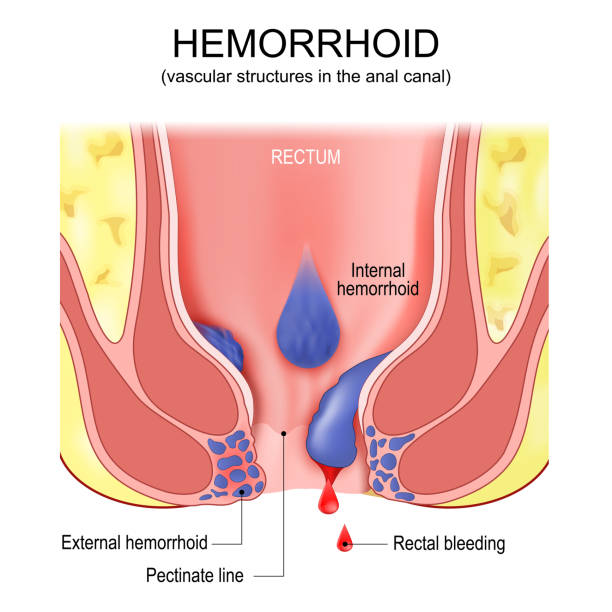
Haemorrhoids are swollen veins in the lower part of the rectum and anus. They can be internal, located inside the rectum, or external, forming under the skin around the anus. Haemorrhoids in anus can be caused by several factors such as straining during bowel movements, sitting for prolonged periods, pregnancy, obesity, and a lack of dietary fiber.
Wondering how haemorrhoids are diagnosed? Here’s what to expect
How Are Haemorrhoids Diagnosed?
Haemorrhoids are normally diagnosed by the following means:

1. Physical Examination:
An examination of the anal area to ascertain the presence of external haemorrhoids, swelling or irritation.

2. Digital Rectal Exam:
A doctor inserts a lubricated, gloved finger into rectum to examine abnormalities such as internal haemorrhoids or other issues that may cause same symptoms as the haemorrhoids.

3. Anoscopy:
A small, tube-like instrument (anoscope) is inserted into the rectum to examine the inside of the anal canal and confirm the presence of internal haemorrhoids.

4. Proctoscopy:
A more precise examination with the help of a proctoscope, a longer instrument, to inspect the rectum and lower colon if needed.

5. Sigmoidoscopy or Colonoscopy:
In case the symptoms indicate more severe conditions, or there is unexplained rectal bleeding, further tests, such as a sigmoidoscopy test or colonoscopy can be performed to rule out other diseases.
Concerned about whether you have haemorrhoids? Connect with a specialist for a proper diagnosis and personalized care plan.
What are the common symptoms of haemorrhoids? Let’s dive into the top 5 symptoms of haemorrhoids in anus.
Top 5 Symptoms of Haemorrhoids in Anus
1. Pain or Discomfort Around the Anus
One of the most common symptoms of haemorrhoids in anus is pain or discomfort, especially when sitting or during bowel movements. External haemorrhoids can cause sharp, throbbing pain if they become irritated or inflamed.
2. Itching or Irritation in the Anal Area
Haemorrhoids can cause itching or irritation around the anus. This occurs because of the inflammation and the presence of excess moisture around the swollen veins.

3. Bleeding During Bowel Movements
Rectal bleeding is a common symptom of internal haemorrhoids. You may notice bright red blood on toilet paper or in the toilet bowl after passing stool. This is usually a sign of a mild case but should be addressed to avoid complications.
4. Swelling Around the Anus
External haemorrhoids can cause swelling around the anus, resulting in visible lumps or bumps. This swelling can cause discomfort and pain, especially if the haemorrhoid becomes thrombosed (clotted).
5. Lumps or Bumps Near the Anus
External haemorrhoids may present as small, painful lumps or bumps around the anus. These may be sensitive to touch and can vary in size. If the haemorrhoids are thrombosed, they may become hard and painful.
Wondering when you should consult a doctor? Let’s discuss the signs that warrant medical attention
When Should You Seek Medical Help for Haemorrhoids?

You should seek medical help for haemorrhoids in anus if:
1. Persistent Bleeding
If you experience ongoing or heavy rectal bleeding, it’s important to see a doctor to rule out other serious conditions.
2. Severe Pain
An extreme pain that doesn’t go away with over-the-counter treatments may require medical intervention.
3. Prolapsed Haemorrhoids
Internal haemorrhoids that protrude outside the anus should be treated with professional care.
4. Infection
If you notice any signs of infection, such as redness, warmth, or pus around the affected area, it’s crucial to get medical advice immediately.
What complications can arise from untreated haemorrhoids? Here’s what you need to know
Potential Complications of Untreated Haemorrhoids
If left untreated, haemorrhoids in anus can lead to several complications:
1. Thrombosis:
External haemorrhoids can develop blood clots, leading to thrombosed haemorrhoids, which cause intense pain and swelling.
2. Anaemia:
Prolonged bleeding from haemorrhoids may result in anaemia due to a significant loss of blood.
3. Infection:
Untreated haemorrhoids can become infected, leading to abscesses or other complications requiring urgent treatment.
How can you prevent haemorrhoids from occurring or recurring? Let’s explore some helpful tips
Prevention Tips for Haemorrhoids
1. Eat a High-Fiber Diet:
Consuming plenty of fiber helps prevent constipation, reducing the strain on the rectum and anus during bowel movements.
2. Stay Hydrated:
Drinking enough water helps keep stools soft and easier to pass.

3. Exercise Regularly:
Untreated haemorrhoids can become infected, leading to abscesses or other complications requiring urgent treatment.
4. Avoid Straining:
Try not to strain during bowel movements, as it can lead to the formation of haemorrhoids.
5. Don’t Sit for Long Periods:
Avoid sitting for long periods, especially on the toilet, as it can put pressure on the anus and cause haemorrhoids.
Conclusion
Haemorrhoids in anus can be uncomfortable, but understanding the symptoms of haemorrhoids can help you identify the condition early. Proper treatment, whether through lifestyle changes, medications, or surgery, can provide relief and prevent complications.
If you experience persistent symptoms such as bleeding, anal pain, or swelling, it’s essential to seek medical attention from a seasoned specialist like Dr. Rajeev Premnath to ensure proper treatment and care.
Seeking a reliable expert for effective haemorrhoids treatment? Reach out to explore advanced treatment options and get the care you need.
FAQs
1. What are the common causes of haemorrhoids?
Haemorrhoids can be caused by factors such as constipation, pregnancy, prolonged sitting, heavy lifting, and a low-fiber diet.
2. Can haemorrhoids go away on their own?
Mild haemorrhoids may resolve with lifestyle changes and over-the-counter treatments, but more severe cases may require medical intervention.
3. Are haemorrhoids dangerous?
While most haemorrhoids are not dangerous, untreated haemorrhoids can lead to complications like thrombosis, anaemia, and infection.
4. Can haemorrhoids cause rectal bleeding?
Yes, rectal bleeding is a common symptom of haemorrhoids, particularly during bowel movements.
5. Can haemorrhoids come back after surgery?
While surgery is highly effective, haemorrhoids can recur if lifestyle factors like constipation and straining are not addressed.