

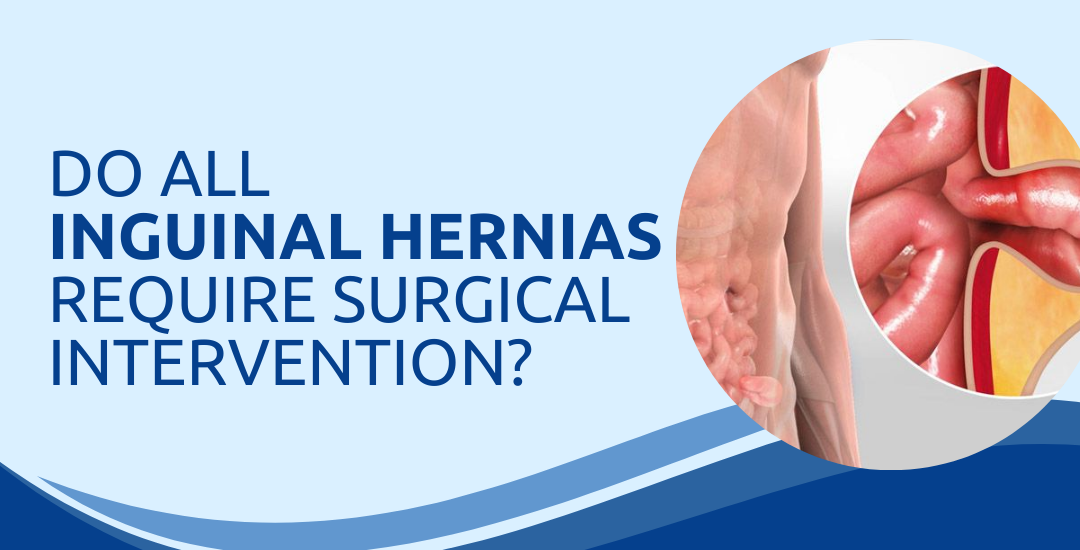
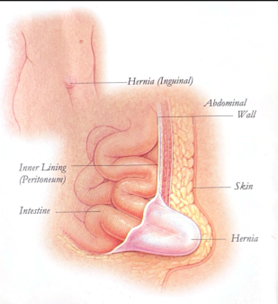
An inguinal hernia occurs when a portion of the intestine or fatty tissue pushes through a weakened area in the lower abdominal wall, specifically in the groin area. It is one of the most common types of hernias, often affecting men more than women. While many cases of inguinal hernias are mild and may not require immediate surgery, some can lead to complications if left untreated.
Dr. Rajeev Premnath, an acclaimed general and laparoscopic surgeon in Jayanagar, Bangalore, explains, “While surgery is the most effective solution for an inguinal hernia, not all cases require immediate intervention. The decision depends on the severity, symptoms, and risks of the hernia.”
In this blog, we will explore whether all inguinal hernias require surgical intervention and when non-surgical treatments or watchful waiting may be appropriate.
What is an Inguinal Hernia?
An inguinal hernia is a condition where part of the intestine or fatty tissue protrudes through the abdominal wall or into the inguinal canal, which is a passage in the lower abdomen. This typically occurs when the muscles or connective tissue in the area weaken, allowing internal organs to push through. The bulge may be more noticeable when coughing, lifting heavy objects, or straining during bowel movements.
What Causes an Inguinal Hernia?
Several factors can contribute to the development of an inguinal hernia, including:
- Weak Abdominal Wall: Some people are born with a weakness in the abdominal wall.
- Increased Abdominal Pressure: Activities like heavy lifting, chronic coughing, or constipation can increase pressure on the abdominal area, leading to hernia formation.
- Age: As you age, the muscles in the abdominal wall can weaken, increasing the risk.
- Obesity: Excess weight can place additional strain on the abdominal muscles.
- Pregnancy: Women who have had multiple pregnancies may experience weakening of the abdominal muscles.
- Genetics: A family history of hernias may increase your risk of developing one.
Now, let’s look at some common signs to help identify this condition.
Common Symptoms of Inguinal Hernias

The symptoms of an inguinal hernia can vary depending on the size and severity of the bulge. Common signs include:
- A Visible Bulge:
A noticeable bulge or swelling in the groin area, especially when standing, coughing, or straining.
- Pain or Discomfort:
Mild pain or aching around the bulge, especially after physical activity or lifting heavy objects.
- Increased Pain:
Pain may worsen over time, particularly with prolonged standing, lifting, or coughing.
- Nausea and Vomiting:
In severe cases, when the hernia becomes incarcerated or strangulated, it may lead to nausea, vomiting, and severe pain.
- Tenderness in the Groin:
The area around the hernia may become tender or sore to the touch.
Wondering when surgery is required for an inguinal hernia? Let’s look at the conditions that necessitate surgery.
When Is Surgery Necessary for an Inguinal Hernia?
Surgery is generally recommended for inguinal hernias when:
- Persistent Pain:
If the hernia causes significant pain or discomfort that affects daily activities, surgery may be the best option.
- Incarcerated Hernia:
When the hernia becomes stuck and cannot be pushed back into the abdomen, leading to increased pressure and pain.
- Strangulated Hernia:
This occurs when the blood supply to the herniated tissue is cut off, leading to tissue death. Strangulation requires immediate surgery to prevent serious complications, such as gangrene.
- Growing Hernia:
If the hernia increases in size over time, it may be at risk of developing complications, making surgery necessary.
- Preventing Future Complications:
Even in the absence of severe symptoms, surgery can be performed to prevent the hernia from causing problems down the line.
Not ready for surgery? Let’s explore the non-surgical inguinal hernia treatment options.
Non-Surgical Treatment Options for Inguinal Hernias
While surgery is the most common and effective treatment for inguinal hernias, non-surgical approaches may be considered for certain cases:
- Watchful Waiting:
If the hernia is small, painless, and not causing complications, doctors may recommend monitoring the condition over time, especially in elderly or frail patients.
- Lifestyle Modifications:
Managing abdominal pressure through weight control, avoiding heavy lifting, and treating constipation can help prevent the hernia from worsening.
- Supportive Garments:
Wearing a hernia belt or truss can provide temporary relief by supporting the bulge and preventing it from enlarging. Sometimes this may cause more harm than good if improperly used.
- Medications:
Pain relief options like over-the-counter painkillers can help manage mild discomfort associated with the hernia, but this is not a good idea as pain indicates that the hernia may be becoming complicated.
Considering surgery for your inguinal hernia? Let’s explore what to expect during the process.
Surgical Intervention for Inguinal Hernias: What to Expect
When surgery is necessary, the procedure to repair an inguinal hernia is called a hernia repair or inguinal hernia surgery. There are two main types of surgery:
- Open Hernia Repair:
A traditional surgery where an incision is made near the hernia, the protruding tissue is pushed back, and the abdominal wall is reinforced with sutures or mesh.
- Laparoscopic Hernia Repair:
A minimally invasive procedure using small incisions and a camera to guide the surgeon in repairing the hernia, often resulting in quicker recovery times and less pain.
Both procedures have high success rates, and the choice of surgery depends on factors like the size of the hernia, the patient’s health, and the surgeon’s expertise.

Worried about recovery after hernia surgery? Let’s explore what to expect during the healing process.
Recovery and Post-Surgery Care
- Immediate Post-Surgery Care:
After surgery, patients are usually advised to rest for a few days and follow pain management instructions. Most people can go home the same day after laparoscopic surgery.
- Gradual Return to Activity:
Light activities can be resumed within 1-2 weeks, but heavy lifting and strenuous exercise should be avoided for 4-6 weeks to allow the surgical site to heal.
- Follow-Up Appointments:
Regular follow-up visits are necessary to monitor healing, remove stitches (if needed), and ensure there are no complications.
- Potential Complications:
Although rare, complications such as infection, bleeding, or recurrence of the hernia can occur, requiring additional treatment.
Conclusion
While not all inguinal hernias require immediate surgical intervention, surgery becomes necessary for many cases, especially when complications arise. Whether performed via open hernia repair or laparoscopic surgery, hernia repair is highly effective. Non-surgical options like watchful waiting and lifestyle adjustments may also be viable for some individuals, depending on the severity of the hernia. Consulting a skilled specialist like Dr. Rajeev Premnath is crucial in determining the most appropriate course of action for your situation.
Frequently Asked Questions
1. Can an inguinal hernia heal without surgery?
2. Is laparoscopic surgery better than open surgery for an inguinal hernia?
3. What is the success rate of inguinal hernia surgery?
4. What is the difference between an inguinal hernia and a femoral hernia?
5. What is the recovery time for laparoscopic inguinal hernia surgery?
Reference links:
https://my.clevelandclinic.org/health/diseases/16266-inguinal-hernia
https://www.aafp.org/pubs/afp/issues/2013/0615/p844.html
Disclaimer: The information shared in this content is for educational purposes and not for promotional use.