

Laparoscopic Cholecystectomy and Cholangiogram: Procedure and Recovery
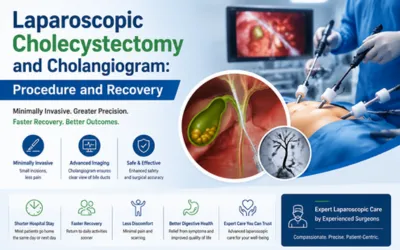
Gallbladder problems, especially gallstones, can cause recurring pain, digestive discomfort, and complications if left untreated. In many cases, gallbladder removal surgery is recommended to prevent repeated symptoms and improve quality of life. Laparoscopic cholecystectomy is a minimally invasive procedure that removes the gallbladder through small incisions, allowing faster recovery compared to traditional surgery.
According to Dr. Rajeev Premnath, a prominent general & laparoscopic surgeon in Bangalore, “Advanced minimally invasive techniques help patients achieve effective treatment with reduced discomfort and quicker recovery. Adding a cholangiogram during surgery allows better evaluation of the bile ducts and helps improve surgical safety.”
With extensive experience in advanced laparoscopic procedures, Dr. Rajeev Premnath specializes in laparoscopic cholecystectomy and complex gallbladder conditions. His patient-focused approach combines surgical precision with personalized care to support better outcomes and smoother recovery.
Wondering how gallbladder surgery has become more precise? Let’s explore the procedure
What is Laparoscopic Cholecystectomy with Cholangiogram?

Laparoscopic cholecystectomy with cholangiogram is a minimally invasive procedure that involves removing the gallbladder while using an intraoperative cholangiogram to examine the bile ducts. The cholangiogram is an imaging technique performed during surgery by injecting contrast dye into the bile ducts, allowing the surgeon to check for any blockages or stones.
The gallbladder stores bile produced by the liver and releases it to help digest fats. When gallstones or other conditions affect its function, removal may be necessary.
When is it Recommended?
This procedure may be recommended for:
Symptomatic gallstones causing repeated pain
Gallbladder inflammation (cholecystitis)
Bile duct stones or suspected blockage
Gallbladder polyps requiring removal
Recurrent gallbladder-related digestive problems
A cholangiogram helps identify the anatomy of the bile ducts and detects possible stones before completing the surgery.
Why is this approach preferred for many patients? Let’s look at the key advantages
Benefits of Laparoscopic Cholecystectomy with Cholangiogram

Benefits of laparoscopic cholecystectomy with cholangiogram include:
Reduced post-operative discomfort: Smaller incisions generally cause less pain after surgery.
Better surgical accuracy: Cholangiogram provides a clear view of the bile ducts.
Lower risk of complications: Identifying bile duct anatomy helps improve surgical safety.
Minimal scarring: Small cuts lead to better cosmetic outcomes.
This technique combines effective gallbladder removal with additional safety measures during surgery.
Curious about what happens during surgery? Let’s walk through the process
What to Expect During the Procedure?
Preparation Before Surgery
Before laparoscopic cholecystectomy, patients may undergo:
- Medical evaluation and imaging tests
- Blood investigations
- Discussion of medications and health conditions
- Fasting before surgery as advised
Anaesthesia
The procedure is performed under general anaesthesia, meaning the patient remains asleep and comfortable throughout the surgery.
Steps of the Surgery


Small Incisions
The surgeon creates small openings in the abdomen.

Camera Placement
A laparoscope is inserted to provide a clear internal view.

Gallbladder Removal
The gallbladder is carefully separated and removed.

Cholangiogram Procedure
Contrast dye is introduced into the bile ducts, and imaging is performed to check for abnormalities.

Closure
The small incisions are closed after completing the procedure..
The surgery usually takes around one to two hours, depending on individual factors.
What happens after gallbladder removal? Let’s explore the recovery journey
Recovery After Laparoscopic Cholecystectomy and Cholangiogram
Recovery after laparoscopic cholecystectomy with cholangiogram is generally quicker compared to open surgery. Most patients can return home within a day after the procedure.
During recovery:
Mild abdominal discomfort may occur for a few days.
Walking is encouraged to support healing.
Heavy lifting should be avoided until advised.
A gradual return to a normal diet is recommended.
Follow-up visits help monitor recovery.
Patients may experience temporary digestive changes as the body adjusts to functioning without a gallbladder.
Is the procedure completely risk-free? Let’s understand possible complications
Possible Risks and Complications of Laparoscopic Cholecystectomy and Cholangiogram
Although generally safe, laparoscopic cholecystectomy may involve certain risks, including:

Infection at the incision site
Bleeding
Bile leakage
Injury to nearby structures
Reaction to anaesthesia
Temporary digestive changes
The use of cholangiography during surgery helps surgeons understand bile duct anatomy and reduce certain risks.
Wondering about the recovery timeline? Let’s explore what to expect
How Long Does Recovery Take After Gallbladder Removal?
Recovery after gallbladder removal surgery varies depending on overall health and the type of procedure performed.
Generally:

Light activities can often be resumed within a few days.
Most patients return to routine activities within one to two weeks.
Complete recovery may take several weeks.
The use of cholangiography during surgery helps surgeons understand bile duct anatomy and reduce certain risks.
Which symptoms need attention after surgery? Let’s look at important warning signs
When Should You Contact Your Surgeon After the Procedure?
Contact your surgeon if you experience:
Persistent or increasing abdominal pain
High fever or chills
Yellowing of the eyes or skin
Continuous vomiting
Increasing redness or discharge from incisions
Severe digestive problems
Early evaluation can help identify and manage complications quickly.
What can you expect after gallbladder removal? Let’s explore the long-term results
Long-Term Outcomes After Laparoscopic Cholecystectomy
Most patients experience significant impro vement after laparoscopic cholecystectomy. Since the gallbladder is not essential for survival, the liver continues producing bile to support digestion.
Long-term outcomes include:

Relief from gallstone-related pain
Reduced risk of gallbladder complications
Return to normal activities
Improved quality of life
Maintaining a balanced diet and healthy lifestyle can support digestive health after surgery.
Conclusion
Laparoscopic cholecystectomy with cholangiogram is an advanced surgical approach that combines gallbladder removal with detailed evaluation of the bile ducts. It offers benefits such as smaller incisions, faster recovery, and improved surgical precision. Understanding the procedure, recovery process, and possible risks helps patients make informed decisions about their treatment.
With extensive expertise in minimally invasive procedures, Dr. Rajeev Premnath provides personalized care for patients undergoing gallbladder removal surgery, focusing on safe treatment and effective recovery.
Frequently Asked Questions
1. Why is a cholangiogram done during gallbladder surgery?
A cholangiogram helps visualize the bile ducts and identify stones or abnormalities during surgery.
2. What are signs of complications after gallbladder surgery?
Fever, worsening pain, jaundice, vomiting, or wound problems should be evaluated promptly.
3. Can gallstones return after gallbladder removal?
No, gallstones cannot form in a removed gallbladder, but rare bile duct stones may occur.
4. Can a person live normally without a gallbladder?
5. Is laparoscopic cholecystectomy safer than open surgery?
It generally offers smaller incisions, faster recovery, and less post-operative discomfort.
Disclaimer: The information shared in this content is for educational purposes and not for promotional use.
References:
- National Institute of Diabetes and Digestive and Kidney Diseases (NIDDK)
https://www.niddk.nih.gov/health-information/digestive-diseases/gallstones - Society of American Gastrointestinal and Endoscopic Surgeons (SAGES)
https://www.sages.org/publications/guidelines/guidelines-for-the-clinical-application-of-laparoscopic-biliary-tract-surgery/