

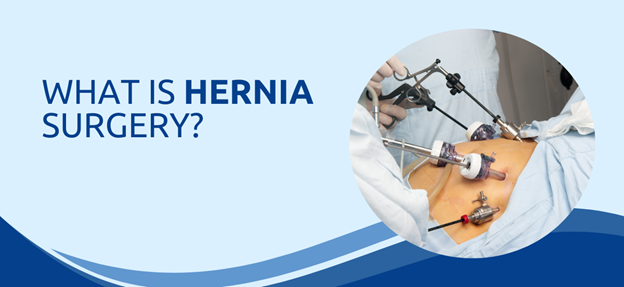
So a hernia isn’t fixing itself. That bulge isn’t going anywhere on its own. But here’s the thing most people don’t know until they actually sit down with a surgeon. Hernia surgery today is genuinely nothing like what they’ve built up in their head. Tiny cuts. Home the same day. Back to normal within a week. That’s just what this looks like now.
“Hernia surgery today is straightforward, minimally invasive and most patients are back to their normal routine faster than they ever expected,” says Dr. Rajeev Premnath, General Surgeon in Bangalore.
What Actually Happens During Hernia Surgery?
Honestly most people walk into their first consultation having built this up into something enormous in their head. Hernia surgery done laparoscopically today is genuinely a world away from what open surgery used to look like even ten years ago.
- The cuts: Two maybe three tiny incisions under a centimetre each. That’s it. Not the large opening most people have pictured every time someone mentioned abdominal surgery to them.
- The repair: A small camera goes in, the protruding tissue gets pushed back into place and a lightweight mesh reinforces the weak spot in the abdominal wall so it actually holds this time.
- The mesh: Modern lightweight mesh sits there quietly, integrates with the body over weeks and makes the repaired area genuinely stronger than it was before the hernia even developed.
- Going home: Most patients are up and moving within hours of finishing, home the same evening and handling light daily tasks comfortably within a week. No long hospital stay. No weeks in bed.
Less cutting means less pain and a faster start to recovery. Not a claim. Just what consistently happens when this is done right with the right technique every single time.
Patients dealing specifically with an inguinal hernia should honestly look at day care inguinal hernia surgery which sorts the whole thing out same day with barely any disruption to normal life afterward.
When Does a Hernia Actually Need to Be Fixed?
Not every hernia needs to come out the day it’s found. But leaving it alone without even getting it properly looked at is genuinely where most people create bigger problems for themselves down the road.
- Getting visibly bigger: A hernia that’s growing and causing more discomfort during regular daily activity isn’t settling down by itself and the longer it’s left the harder the repair gets.
- Pain during movement: Discomfort while lifting, bending, coughing or just walking around is the hernia getting worse and that window for a straightforward repair gets smaller the more it’s ignored.
- Strangulation happening: A trapped hernia that can’t be pushed back is a genuine emergency, tissue loses blood supply fast and that needs surgical attention immediately not next week.
- Limiting daily life: When someone starts changing what they do each day to work around their hernia that’s a clear sign this needs fixing properly rather than being pushed down the priority list again.
Watching and waiting only works for so long with hernias. They don’t get better. They get bigger. And bigger hernias are harder repairs with longer recoveries. That’s just honestly how it works.
Still unsure whether the hernia actually needs surgery or whether it can just be monitored for a while longer, this older piece on hernia frequently asked questions covers that question properly without drowning anyone in complicated medical terminology.
Why Choose Dr. Rajeev Premnath?
Dr. Rajeev Premnath has spent over 20 years fixing hernias. Simple day care ones. High risk complicated ones. Every type and every situation in between. Every day. Trained at IRCAD in France, one of the most genuinely respected places anywhere in the world for minimally invasive surgery. Then went further and completed advanced Single Incision Laparoscopic Surgery training in Singapore on top of that. Hundreds of real hernia repairs. Patients going home same day. Recovering faster than they thought they would.
FAQs
Is hernia surgery a big deal or a minor procedure today?
With modern laparoscopic techniques it’s a straightforward minimally invasive procedure and most patients go home the same day it’s done.
How long does recovery from hernia surgery actually take?
Most patients handle light daily activity within a week and are fully back to normal within two to three weeks depending on the repair type.
Can a hernia come back after it's been surgically repaired?
Recurrence is rare with modern lightweight mesh techniques but significantly more likely when post-operative activity restrictions aren’t followed properly afterward.
What genuinely happens if a hernia is just left untreated?
It keeps growing, risks strangulation where trapped tissue loses blood supply completely and turns into a genuine emergency situation that needs urgent surgery.
A real consultation gives answers built specifically around your hernia type, size and actual health history. Come in and speak directly with Dr. Rajeev Premnath.
References