

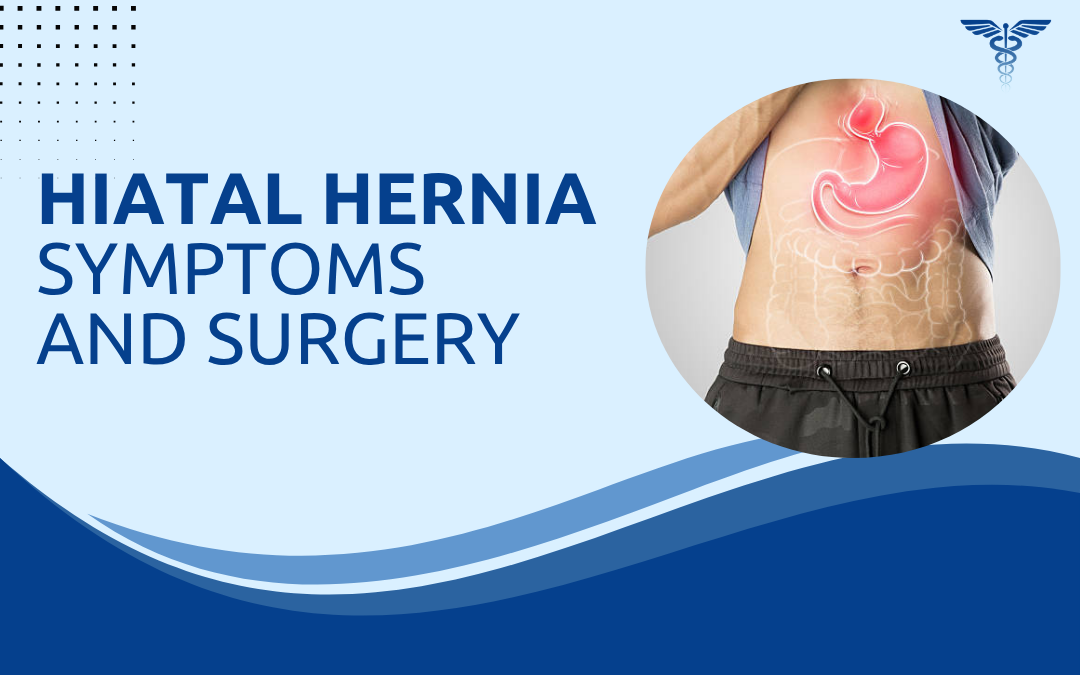
A hiatal hernia is what happens when part of the stomach squeezes up through the diaphragm into the chest cavity. Some people get heartburn from it. Others deal with acid washing back up, chest pain, or food that just won’t go down easily. Small ones? Usually not a surgical problem. But paraesophageal hernias sit in a completely different category because the stomach can actually lose its blood supply, and that’s not something any antacid on earth is going to sort out.
According to Dr. Rajeev Premnath, Hernia Specialist in Bangalore, “Most small sliding hiatal hernias are managed without surgery, but a paraesophageal hernia left unrepaired carries real strangulation risk and that changes the conversation entirely.”
Dealing with persistent reflux or chest discomfort that won’t settle? Book Appointment
What Actually Causes a Hiatal Hernia?
Rarely just one thing. It’s usually several factors piling up quietly over years before the body finally says something about it.
Diaphragm Weakness: After 50, the diaphragm muscle starts thinning. Gradually. The hiatal opening loosens up and the stomach finds its way through. Most people who get diagnosed have probably had the thing developing for years without knowing.
Abdominal Pressure: Chronic coughing, straining hard on the toilet, vomiting spells, lifting heavy stuff week after week. The diaphragm takes all that upward force and at some point it just can’t absorb any more of it.
Obesity: BMI above 30 means the stomach sits under relentless pressure from surrounding fat. This one matters more than people think because unlike the other risk factors here, you can actually change it.
Lifestyle Factors: Smoking weakens tissue. Pregnancy adds abdominal load. Some people are simply born with a wider hiatal opening. And none of these structural causes respond to tablets or lifestyle tweaks, which is why they tend to end up on a surgeon’s list eventually.
Understanding the cause shapes the surgical plan completely. For uncomplicated presentations, day care hernia surgery gets patients home same day itself.
When Does Surgery Become Necessary for a Hiatal Hernia?
If the hernia is small and causing zero trouble, nobody’s rushing to operate. But some situations genuinely can’t wait around for another review appointment.
Severe Symptoms: You tried the diet changes. Lost weight. Took PPIs for months. Reflux still won’t budge. That’s the point where surgery stops being a maybe-later discussion and becomes the current plan.
Paraesophageal Hernias: Large rolling hernias carry strangulation risk that doesn’t go away on its own. Better to fix it on a Tuesday morning you chose than at 2am on a Saturday nobody planned for. Complex anatomy or failed previous repairs fall under high risk hernia surgery protocols for good reason.
Serious Complications: Oesophageal bleeding that keeps coming back, severe esophagitis, Cameron ulcers, food pipe narrowing progressively. Once you’re at this stage, what happened before symptom-wise doesn’t really matter anymore. Surgery is the answer.
Emergency Presentations: Sudden severe chest pain, blood in vomit, gastric volvulus. These put everything on a same-day timeline. Blood supply gets compromised and the situation deteriorates faster than most families are ready for.
Laparoscopic repair is standard for most cases. Stomach gets pulled back down, hiatus gets reinforced, fundoplication added when reflux is the primary complaint. Anyone still sitting on symptoms should read about strangulated hernia warning signs before that window of choice closes on them.
Why Choose Dr. Rajeev Premnath?
Dr. Rajeev Premnath has over 20 years doing hernia repairs across every complexity level you can think of. Trained at IRCAD France, certified in advanced single incision laparoscopy from Singapore. Hundreds of repairs done covering every hernia type that’s come through the door.
Same-day discharge is how most cases go here. Recovery moves quicker than patients expect walking in. And not one person who skipped elective repair and landed in emergency surgery at 2am has ever looked back and thought waiting was the smart call.
Book your consultation today for the right treatment and a plan to prevent piles recurrence after surgery.
FAQs
What is a hiatal hernia and what symptoms does it cause?
A hiatal hernia pushes the stomach into the chest, causing heartburn, regurgitation, and chest pain.
Can a hiatal hernia heal without surgery?
Small sliding hernias are managed with lifestyle changes and medication without surgery.
What symptoms mean a hiatal hernia needs surgical repair?
Persistent GERD, paraesophageal hernias, complications, or emergency volvulus all require surgical intervention.
How is hiatal hernia surgery performed?
Laparoscopic repair repositions the stomach and reinforces the hiatus, often with fundoplication added.