

A chronic anal fissure is a painful condition characterized by a tear in the skin of the anus that lasts for more than 6 weeks. These fissures typically occur due to trauma or injury to the anal canal during bowel movements, often associated with hard stools or chronic constipation. As the fissure becomes chronic, it leads to persistent pain, bleeding, and discomfort.
Dr. Rajeev Premnath, a noted laparoscopic surgeon and proctologist in Jayanagar, Bangalore, states, “While chronic anal fissures can be challenging to treat, there are several treatment options that can help manage the pain and heal the fissure effectively.”
In cases where non-surgical methods don’t provide relief, anal fissure surgery may become necessary to treat the condition and prevent recurrence. Dr. Rajeev Premnath has extensive experience in diagnosing and treating chronic fissures using both non-surgical and surgical approaches. His expertise ensures a comprehensive treatment plan tailored to each patient’s needs for effective healing and long-term relief.
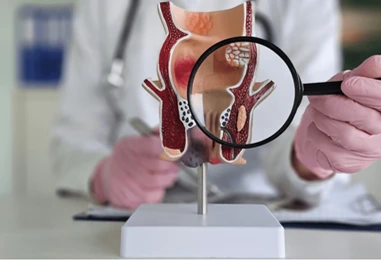
What causes chronic anal fissures? Let’s understand the condition in detail.
What Is a Chronic Anal Fissure?
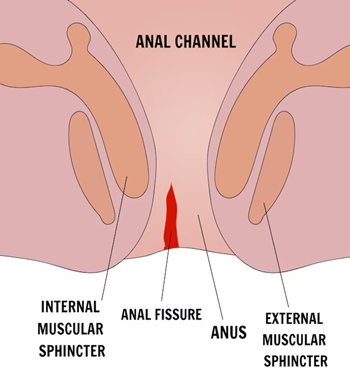
A chronic anal fissure is a tear or crack in the skin of the anal canal that persists for more than six weeks. Initially, fissures are acute, causing sharp pain during and after bowel movements. However, when a fissure doesn’t heal within this period, it becomes chronic, often associated with the development of a skin tag, muscle spasm, or scar tissue.
Why Do Anal Fissures Become Chronic?
There are several reasons why anal fissures turn chronic:
- Recurrent Trauma: Direct trauma caused by the passage of hard stool can also further aggravate the fissure and cause it to open up again in the future due to continuous trauma caused in the process.
- Increased Pressure: Increased sphincter pressure in the anal region may result in improper supply of blood to the area, which may slow healing.
- Formation of scar tissue: Scar tissue and muscle spasms can result in improper healing and recurrence of fissures.
- Lack of Blood Flow: Inadequate blood flow to the impacted area can slow down healing or prolong it into a chronic stage.
Wondering how chronic anal fissures are diagnosed? Let’s explore the diagnostic process.
How Are Chronic Anal Fissures Diagnosed?
Chronic anal fissure is diagnosed through the following steps:
- Physical Examination:
The healthcare provider will look at the area of the anus for any tears, skin tags, or swelling.
- Digital Rectal Examination:
The physician also performs a digital rectal examination to assess the anal sphincter muscles for any abnormal bumps, pain or tightness.
- Anoscopy:
An anoscope may be employed in order to get a clear sight of the canal and the fissure if it appears deeper. It is a tube with a light attached.
- Medical History Review:
The doctor will ask about symptoms like pain, bleeding, and bowel habits to better understand the condition and rule out other issues.
- Ruling Out Other Conditions:
In some cases, the doctor may test for other conditions, such as infections or hemorrhoids, to ensure an accurate diagnosis.
Are you experiencing gallstone colic? Connect with a seasoned specialist to discuss your treatment options.
Top 5 Treatments for Chronic Anal Fissures
There are several treatment options for chronic fissures, which include both non-surgical and surgical methods. Here are the top 5 treatments for chronic anal fissures:
- Medical Management and Topical Therapy
Topical Nitroglycerin: This serves to relax the muscles of the anal sphincter and also increases blood flow towards the fissure for easier healing.
Calcium Channel Blockers: These creams make it easy to relieve muscle spasms in the muscle sphincter, which in turn helps to heal fissures.
Hydrocortisone Cream/Ointment: To relieve inflammation and pain in the case of chronic fissures.
- Botulinum Injection Therapy

Botox injections can relax the anal sphincter muscles, reducing spasms and promoting healing of the fissure. This is particularly useful in patients who do not respond well to topical medications.
- Lateral Internal Sphincterotomy (LIS)

This surgical procedure involves making a small incision in the anal sphincter muscle to relieve tension, allowing the fissure to heal. It’s highly effective for chronic cases and has a low risk of recurrence.
- Fissurectomy With or Without Advancement Flap
Fissurectomy is the removal of the chronic fissure, along with the surrounding scar tissue. If required, advancement flap (tissue from the rectum) is used for the healing of the fissure. Fissurectomy is used when the fissures are severe.
- Supportive Care and Lifestyle-Based Treatment

o Fiber-Rich Diet: To prevent constipation and ensure soft stools, which reduces the strain during bowel movements.
o Stool Softeners: These help keep bowel movements soft and easy to pass, reducing further trauma to the fissure.
o Sitz Baths: Soaking in warm water for 10-15 minutes a few times a day can help reduce pain and inflammation.
Wondering when surgery is the right option? Let’s explore when it may be necessary.
When Is Surgery the Right Choice?

Though in most cases, managing chronic fissures in the anal region can be done through non-surgical procedures, in some cases, surgery could turn out to be the most optimal solution if:
- Conservative treatments fail: If conservative treatments, Botox, and lifestyle modifications do not provide relief.
- Severe Symptoms: In case you are having severe symptoms of pain, bleeding, and discomfort that affect your quality of life.
- Recurrent fissures: If you consistently experience fissures irrespective of management.
Surgical options like lateral internal sphincterotomy and fissurectomy are highly effective in these cases.
What can you expect after treatment? Here’s a look at recovery and long-term care.
Recovery and Long-Term Care After Treatment
After the treatment for chronic anal fissures, the course of recovery depends on the treatment followed.
- Post-Surgical Care:
After surgery, you may experience some pain or discomfort, but this typically resolves within a few weeks. Your doctor will provide pain management options, and you will need to follow a fiber-rich diet and stay hydrated.
- Ongoing Lifestyle Management:
Whether you’ve had surgery or are managing with conservative treatments, maintaining a healthy diet, staying hydrated, and avoiding constipation will help prevent recurrence.
Conclusion
Chronic anal fissures can significantly affect your quality of life, causing persistent pain, discomfort, and bleeding. While many cases can be managed with non-surgical treatments like topical therapy, Botox injections, and lifestyle changes, more severe or recurrent fissures may require surgical interventions like lateral internal sphincterotomy or fissurectomy.
It’s essential to seek professional care from a competent specialist, such as Dr. Rajeev Premnath, to ensure an accurate diagnosis and an effective treatment plan tailored to your specific condition. Early intervention can lead to faster healing and a reduction in the likelihood of complications.
Frequently Asked Questions
What are the most common symptoms of chronic anal fissures?
Symptoms include sharp pain during and after bowel movements, bright red bleeding, itching, and visible tears or cracks around the anus.
Can chronic anal fissures come back?
Yes, chronic anal fissures can recur, especially if constipation, straining, or improper healing occurs. Preventive measures like maintaining a high-fiber diet and proper bowel habits can help reduce the risk of recurrence.
How long does it take to heal chronic anal fissures?
Healing time varies, but with proper treatment, most fissures heal within 6-8 weeks. Chronic fissures may require longer treatment or surgical intervention.
Can diet affect the healing of chronic anal fissures?
Yes, a high-fiber diet helps soften stools, reducing strain and promoting healing. Staying hydrated and avoiding constipation is crucial for effective treatment.
Can chronic anal fissures lead to other complications?
Yes, if left untreated, chronic anal fissures can lead to abscesses, infections, or even anal incontinence in severe cases.
Reference links:
https://www.aafp.org/pubs/afp/issues/2016/0315/p498.html
https://massh.in/blogs/chronic-anal-fissures-symptoms-causes-and-treatment-options
Disclaimer: The information shared in this content is for educational purposes and not for promotional use.