

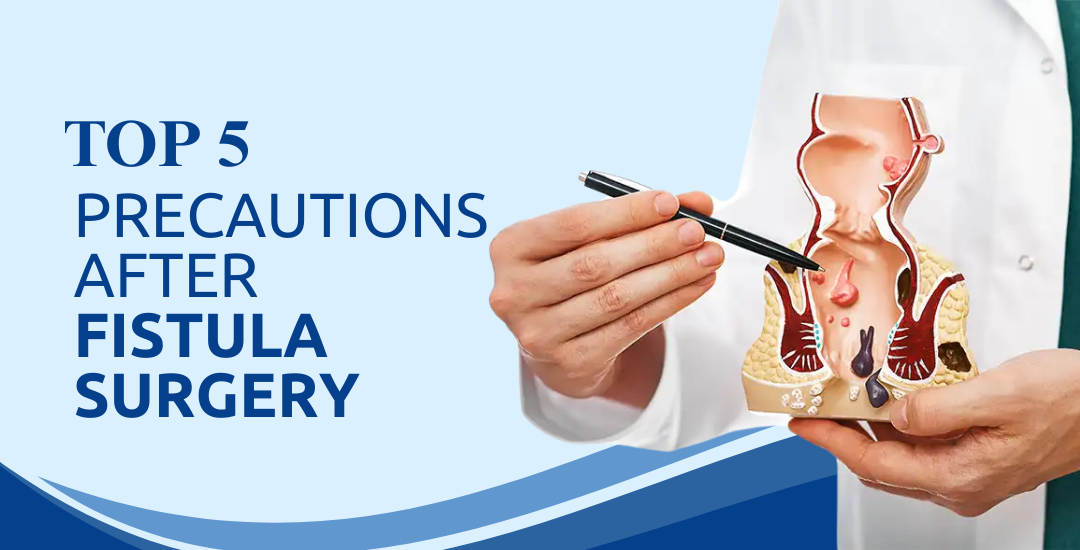
Fistula surgery is a general procedure for treating anal fistulas, which are abnormal connections between the inner and outer portions of the anus. These abnormal connections may cause pain, discomfort and risk of infection if left untreated. The fistula surgery removes the fistula, allowing healing and preventing recurrence. After fistula surgery, patients must follow proper precautions to get best results and avoid any complications.
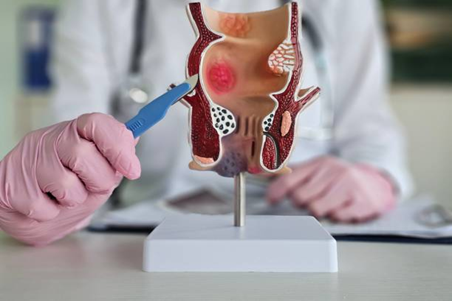
Dr. Rajeev Premnath, an accomplished General & Laparoscopic Surgeon in Jayanagar, Bangalore, emphasizes, “Post-surgery care is of prime importance to ensure proper healing of the wound and to avoid infection or recurrence.”
With years of experience performing complex fistula surgery and guiding patients through recovery, Dr. Premnath emphasizes the importance of following the right fistula surgery precautions to ensure a smooth recovery. His comprehensive approach combines surgical precision with personalized care, helping patients heal effectively while minimizing the risk of complications.
In this blog, we will explore the top 5 precautions after fistula surgery to guide you through the recovery process and ensure you heal effectively.
What happens during fistula surgery? Let’s explore the procedure in more detail.
What Is Fistula Surgery?

The process of fistula surgery involves removing the fistula tract, an abnormal channel or passage connecting to the anal canal to the skin. The aim of fistula surgery is to ensure that the fistula is totally removed while maintaining the functionality of anal sphincter muscles. The different surgical techniques include:
Fistulotomy
This is the most common type and involves cutting open the fistula tract to permit natural healing from the inside out.
Seton Placement
The tract is closed by placing a threadlike structure called a seton within the tract to drain the infection and help the fistula heal over time.
Flap Surgery
In some cases of complex or high fistulas, tissue flaps may be used to close the wound.
Now, let’s understand the importance of post-op care after fistula surgery.
Why Post-Surgery Precautions Matter
Fistula surgery precautions are crucial for ensuring the surgical site heals properly, minimizing the risk of infection, and preventing fistula recurrence. Proper care also helps manage any discomfort, reduce pain after fistula surgery, and speed up the recovery process. Neglecting post-operative care can lead to complications like infections, delayed healing, or the formation of new fistulas.
What are the most important precautions to follow after fistula surgery? Let’s explore the essential precautions.
Top 5 Precautions After Fistula Surgery
Maintain Proper Wound Hygiene
Keeping the surgical site clean is essential to prevent infection. Wash the area gently with warm water and mild soap after each bowel movement. Pat the area dry with a clean towel to avoid irritation and infection.

Follow a High Fiber Diet
A high-fiber diet helps prevent constipation, reducing the strain during bowel movements, which is crucial for the healing process. Include fiber-rich foods like fruits, vegetables, and whole grains to keep stools soft and easy to pass.

Avoid Straining and Heavy Activities
Straining during bowel movements or engaging in heavy physical activities can put unnecessary pressure on the surgical site, potentially leading to complications. Avoid lifting heavy objects and try not to sit for prolonged periods.
Take Medications as Prescribed
It is helpful if you adhere to your medication, including pain relievers and antibiotics, as these will help prevent infection and relieve pain.

Attend Regular Follow-Up Visits
Follow-up visits are critical and enable the surgeon to evaluate your progress as you heal and to ensure there are no complications.
What complications should you be aware of after surgery? Let’s discuss signs to watch for.
Signs of Complications to Watch For

Even though the majority of patients have a smooth recovery from the surgery, it is vital to take note of the signs that may indicate possible complications and these include:
Severe Pain
If you experience intense, persistent pain that doesn’t improve with medication, it could indicate an infection or a complication
Increased Swelling or Redness
Swelling, redness, or warmth around the surgical site may indicate infection.
Fever
High fever can be a sign of an infection or other complications that require immediate medical attention.
Excessive Bleeding
Some bleeding is normal after surgery, but if the bleeding is heavy or doesn’t stop, it may require intervention.
Wondering about the recovery process after fistula surgery? Here’s what to expect.
How Long Does Recovery Take After Fistula Surgery?
The recovery period of the patient who has undergone fistula surgery depend on the type of surgery and the patient’s health. Generally, it takes around 2-4 weeks of recovery time for a patient undergoing laparoscopic fistula surgery, which is less complex and has a lesser recovery time.
However, if an open surgery method is adopted, the recovery period may take as long as 4-6 weeks. In such a case, it is important for the patient to adhere to post-surgical care instructions, increase fiber intake and avoid strenuous activities for proper healing.
Wondering when it’s safe to get back to your routine after fistula surgery? Let’s explore the timeline.
When Can You Resume Daily Activities?
After fistula surgery, you can generally resume light daily activities, like walking and normal household tasks, within 1-2 weeks. However, more strenuous activities such as heavy lifting, intense exercise, or prolonged sitting should be avoided for about 4-6 weeks to allow the surgical site to heal properly.
It’s essential to listen to your body and avoid any activity that causes pain or strain on the healing area. If your job requires heavy physical labor, you may need to take up to 6 weeks off before returning to work.
Conclusion
Fistula surgery is an effective treatment for resolving painful and disruptive anal fistulas, but following the precautions after fistula surgery is essential for a smooth recovery. By maintaining proper wound hygiene, following a high-fiber diet, avoiding strain, taking prescribed medications, and attending follow-up visits with an expert such as Dr. Rajeev Premnath, you can ensure the best possible outcome. Taking these precautions will not only promote healing but also reduce the risk of complications and recurrence of the condition.
FAQs
1. How long should I rest after fistula surgery?
Rest for 1-2 days after surgery, but avoid strenuous activities for about 4-6 weeks.
2. Is pain after fistula surgery normal?
Mild to moderate pain is normal in the first few days. If pain persists or worsens, contact your doctor.
3. How do I know if my fistula surgery wound is infected?
Signs of infection include increased pain, redness, swelling, pus or discharge, and fever. Seek medical attention if any of these occur.
4. Are there any foods I should avoid after fistula surgery?
Avoid constipating foods, such as processed foods or those low in fiber. A high-fiber diet is essential for preventing strain during bowel movements.
5. What happens if the fistula comes back after surgery?
If the fistula recurs, additional treatment or surgery may be required. It’s essential to seek medical attention promptly if symptoms reappear.
Reference links:
https://www.medicalnewstoday.com/articles/fistula-surgery-recovery
https://www.news-medical.net/health/Anal-Fistula-Recovery.aspx
Disclaimer: The information shared in this content is for educational purposes and not for promotional use.