

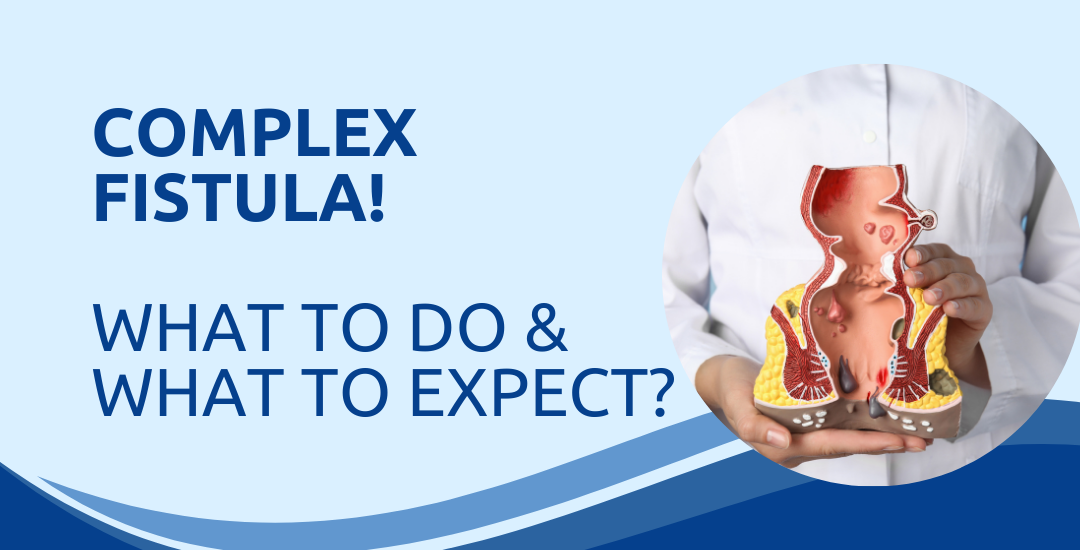
A diagnosis of complex fistula in ano is always quite scary for anyone. The first fear is whether one is going to be cured or not? Does one have to live with it for the rest of their lives? Will surgery cure it? Will I find the right surgeon to cure it? What can I do to improve the success of my surgery? Will there be treatment without surgery? Is there a risk of incontinence post surgery?
In this article, I will attempt to clarify doubts in the minds of many who have complex fistulae in ano.
Understanding Complex Fistula
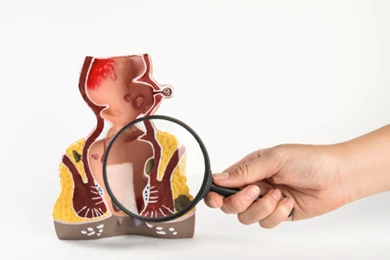
Complex fistula in ano (around the anus) is not uncommon.
Many times diagnosis may be delayed as many think it could only be a skin infection or boil in the area around the anus. Frequently one is treated with antibiotics with no relief, and the condition only progresses after the course of antibiotics is completed. The crucial point is early diagnosis by consulting a specialist and getting an examination and an appropriate scan. MRI is the gold standard for fistula diagnosis and planning treatment.
Treatment Options for Complex Fistula
When a complex fistula is diagnosed, the treatment plan starts with identifying the etiology (the cause of the fistula). The surgeon will also consider factors that could have caused the fistula to become complex. Smoking is a well-known cause for perianal abscesses and fistula, and hence giving up the same is critical for success of treatment and prevention in the future. A Colonoscopy is planned to rule out causes such as inflammatory bowel disease which can be a cause of a fistula. Blood investigations are done to rule out diabetes and other immunocompromised conditions.
An MRI helps the surgeon understand the anatomy of the fistula and the relationship to the sphincter musculature.
Surgical Treatments for Complex Fistula
Complex fistulas can be addressed using many different surgical techniques and sometimes a combination of them.
- VAAFT (Video Assisted Anal Fistula Treatment): VAAFT utilizes a fine camera that can be used to negotiate the fistula and identify the internal opening and obliterate the tract using electrocautery. Laser can also be combined with VAAFT in select cases.
- Partial Fistulectomy with Seton Application: Helps address high transphincteric or suprasphincteric fistulae when an abscess is associated with it. Additional procedures are required to manage the tract and remove the seton once the infection settles down.
- Laser Fistulotomy: Laser technology uses less energy than conventional electrocautery methods and results in less collateral damage to the surrounding tissues.
- Sphincter Repair: Surgeons also undertake repair of sphincter muscles to deal with complex fistulae.
Post-Operative Care After Fistula Surgery
After any fistula surgery, the key point is diligent follow-up with the surgeon and following personal hygiene instructions.
If you suspect a problem at the perianal or anal area, seek advice from a surgeon/proctologist immediately.
After fistula surgery, whether complex or simple, success depends on good postoperative care. Usually after surgery, there is a wound at the anal area and this wound is connected to the anus. This means that stool contamination may occur in the wound, so it becomes very important to maintain utmost personal hygiene.
Sitz Bath and Hygiene Instructions

After a bowel movement, it is recommended to clean the wound using a hand shower and then using a warm tub bath to soak the anal area. The warm water in the tub should be between 35-40°C and acts to relieve pain by relaxing the muscles and ensuring hygiene. This is called a Sitz bath, derived from German meaning “Sitting bath.” It is recommended to have a Sitz bath for 3-5 minutes twice daily or after bowel movement.
Usually, a Sitz bath is done at the ground level with a flat tub. It can also be done using a commercially available tub that can be placed on a western-styled toilet.
Expect some discharge from the wound during the healing process, so keeping a clean pad or sterilized gauze on the wound will help keep the area clean and dry.
Regular follow-up with the surgeon is essential as they can monitor the progress of healing. Sometimes additional procedures may be needed to prevent complications and speed up healing.