

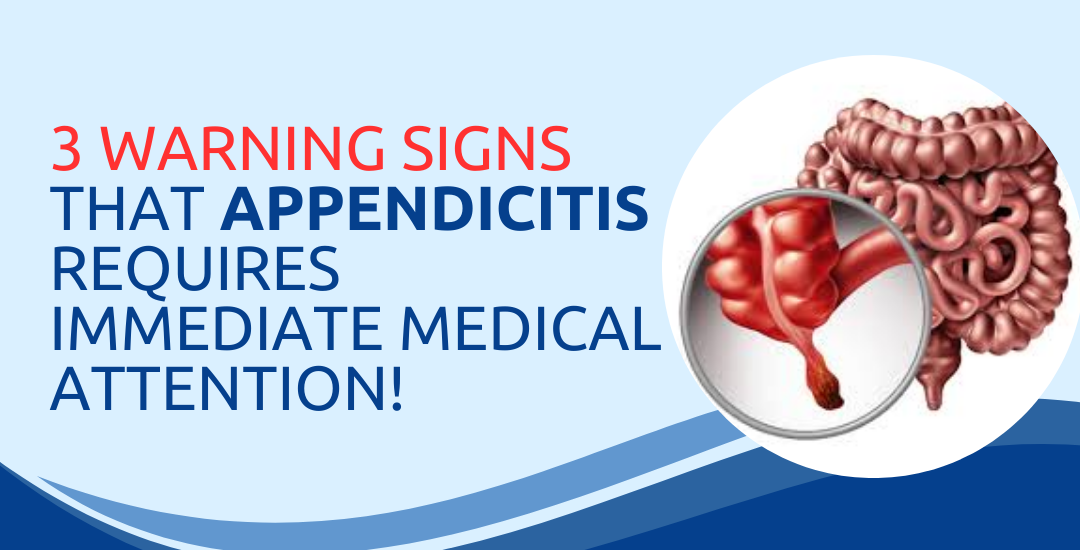
Appendicitis is a medical emergency that occurs when the appendix, a small pouch attached to the large intestine, becomes inflamed. This condition typically begins with abdominal pain, often starting around and above the belly button, and then shifting to the lower right side. If untreated, the appendix can rupture, leading to serious complications like peritonitis or sepsis. It’s crucial to recognize the warning signs that appendicitis requires immediate attention, as prompt intervention can prevent these potentially life-threatening outcomes.

Dr. Rajeev Premnath, a noted general and laparoscopic surgeon in Jayanagar, Bangalore, emphasizes, “Early detection of appendicitis is key to a successful recovery, and understanding the signs can make all the difference in preventing severe complications.”
With years of expertise in minimally invasive surgeries, Dr. Premnath specializes in managing acute appendicitis and appendicectomy procedures. He is committed to providing the best care to his patients, ensuring quick recovery and minimal discomfort. With a deep understanding of appendicitis diagnosis and treatment, he ensures his patients receive appropriate care in a timely manner.
In this blog, we will discuss the 3 warning signs that appendicitis requires immediate medical attention and why it’s crucial to seek help as soon as these signs appear.
First, let’s understand appendicitis in more detail and its causes.
What Is Appendicitis?
Appendicitis is the inflammation of the appendix, a small, finger-shaped pouch attached to the large intestine. This condition is typically caused by a blockage inside the appendix, which can result from a variety of factors such as infection, stool/food particle or even tumors. The blockage causes the appendix to become inflamed, leading to swelling, pain, and potentially infection.
If left untreated, the appendix can rupture, releasing bacteria into the abdomen, which can lead to peritonitis, a life-threatening infection of the abdominal cavity. Therefore, recognizing symptoms early and seeking prompt treatment are essential.

Experiencing symptoms of appendicitis? Connect with a professional immediately for an accurate diagnosis and timely treatment.
Wondering how appendicitis is diagnosed? Let’s explore the diagnostic process
How Is Appendicitis Diagnosed?
The diagnosis of appendicitis typically involves:

1. Physical Exam:
The doctor will press on your abdomen to check for tenderness, particularly in the lower right side where the appendix is located.

2. Blood Tests:

3. Imaging Tests:
Not sure when to seek expert advice for appendicitis? Here are the three warning signs that require prompt medical care.
3 Warning Signs of Appendicitis That Need Immediate Attention

1. Severe Abdominal Pain
One of the hallmark symptoms of appendicitis is sudden and severe abdominal pain, which often starts around the belly button and then shifts to the lower right side. This pain becomes more intense over time, and any sudden relief in pain could indicate a potential rupture, which requires immediate medical intervention.

2. Nausea and Vomiting

3. Fever and Chills
Wondering when surgery is required? Let’s discuss the role of surgery in appendicitis treatment.
When Is Appendicitis Surgery Necessary?

Appendicectomy, or the surgical removal of the appendix, is the primary treatment for appendicitis, especially in cases of acute appendicitis. Surgery is typically necessary when:
- Appendicitis is confirmed:
If diagnostic tests confirm the condition, surgery is performed to prevent rupture.
- Appendix rupture:
If the appendix has ruptured, surgery is critical to remove the infected tissue and clean the abdominal cavity to avoid spread of infection – peritonitis.
What happens if appendicitis isn’t treated? Here’s what could happen if appendicitis is left untreated
Potential Complications of Untreated Appendicitis
- Peritonitis:
A ruptured appendix can cause infection to spread to the abdominal lining, leading to peritonitis, which can be fatal without immediate treatment.
- Abscess Formation:
The appendix can form an abscess, which can lead to further complications, requiring more extensive surgery.
- Sepsis:
If the infection enters the bloodstream, it can lead to sepsis, a life-threatening condition that affects multiple organs and requires urgent medical attention.
Now, let’s explore the treatment options available for managing appendicitis.
How Is Appendicitis Treated?
- Antibiotics:
If the appendicitis is caught early and the appendix hasn’t ruptured, antibiotics are given to reduce infection before surgery.
- Appendectomy:

The standard treatment for appendicitis is the removal of the appendix through a surgical procedure called appendectomy. This can be done using traditional open surgery or minimally invasive laparoscopic surgery.
- Drainage:
If an abscess has formed, the doctor may first drain the abscess to reduce the infection before performing an appendectomy.
What is the recovery process like after appendicitis surgery? Let’s talk about recovery.
Recovery After Appendicitis Surgery
- Hospital Stay:
Typically, patients stay in the hospital for 1-2 days after an appendectomy, depending on whether the surgery was open or laparoscopic.
- Recovery Time:
Full recovery from laparoscopic surgery generally takes about 1-2 weeks, while recovery from open surgery can take 2-4 weeks.
- Post-Surgery Care:
Pain management, avoiding heavy lifting, and gradually returning to normal activities are part of the recovery process. Patients are also advised to follow a light diet to avoid straining the abdominal area.
Conclusion
Appendicitis is a serious condition that requires immediate attention to avoid severe complications. Recognizing the 3 warning signs that appendicitis requires immediate medical attention—severe abdominal pain, nausea and vomiting, and fever—can help ensure timely treatment. Dr. Rajeev Premnath specializes in diagnosing and treating appendicitis in Jayanagar, Bangalore, providing prompt and effective care for optimal recovery.
Frequently Asked Questions
1. What are the common symptoms that indicate the need for appendicitis surgery?
2. Can appendicitis resolve without surgery?
3. What is the difference between acute and chronic appendicitis?
4. How do I know if my appendix has ruptured?
5. What is the success rate of appendectomy?
Reference links:
https://my.clevelandclinic.org/health/diseases/8095-appendicitis
https://www.mayoclinic.org/diseases-conditions/appendicitis/symptoms-causes/syc-20369543
Disclaimer: The information shared in this content is for educational purposes and not for promotional use.