

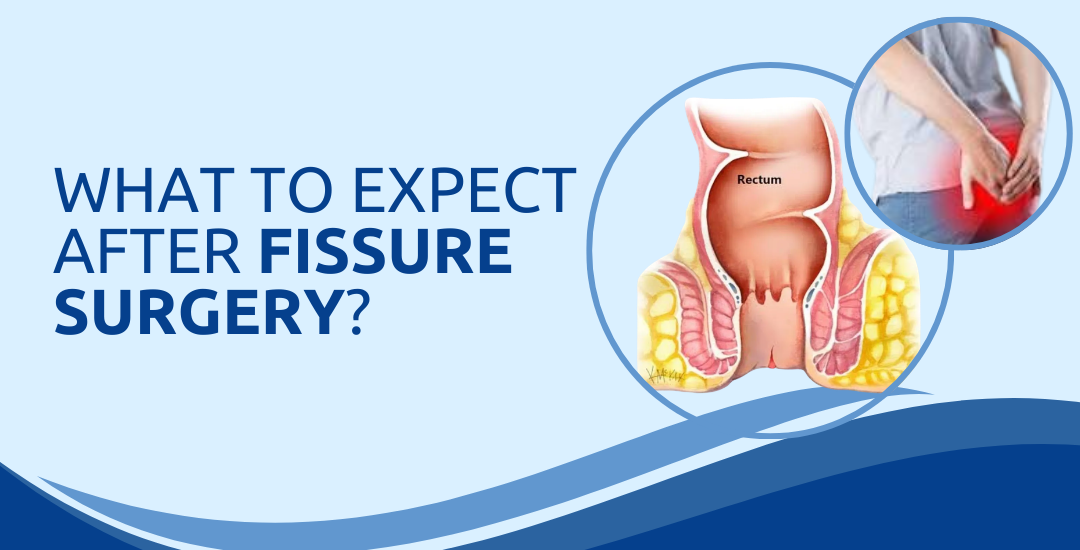
Fissure surgery is a common procedure performed to treat chronic anal fissures, which are painful tears or cracks in the skin around the anus. These fissures can cause significant discomfort, including pain during and after bowel movements, as well as itching, bleeding and a burning sensation. Fissure surgery aims to remove the fissure and promote proper healing of the affected area. After surgery, proper care is crucial to prevent complications and ensure a full recovery.
Dr. Rajeev Premnath, a prominent General & Laparoscopic Surgeon in Jayanagar, Bangalore, advises,
“Post-surgery care and adherence to instructions are key factors in ensuring that the fissure doesn’t recur and healing progresses without complications.”
Dr. Premnath’s expertise in both chronic anal fissure treatment and fissure surgery ensures a comprehensive understanding of post-surgical care, helping you manage pain, avoid complications and speed up your recovery. By focusing on individualized treatment plans, he helps patients heal effectively and return to a pain-free lifestyle.
In this blog, we’ll guide you through what you can expect after fissure surgery, from the immediate recovery phase to long-term healing.
What Is Fissure Surgery?
Fissure surgeries are carried out to treat chronic fissures which do not respond to conservative treatments like creams, medication and dietary changes. There are two types of fissure surgeries:
- Fissurectomy:
This procedure involves cutting out the fissure and the surrounding scar tissue to promote healing.
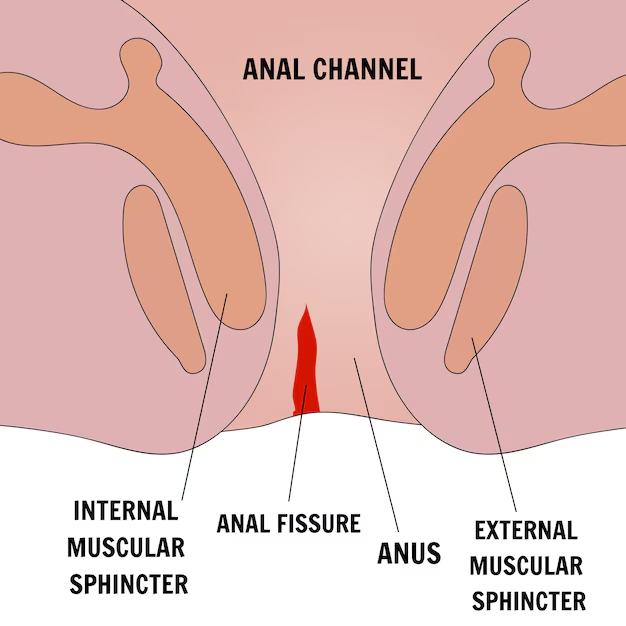
- Lateral Internal Sphincterotomy (LIS):
This surgery involves making a small incision in the internal anal sphincter muscle to reduce pressure and allow the fissure to heal.

What should you expect immediately after your fissure surgery? Let’s explore the early recovery phase.
Immediate Post-Surgery Recovery Phase
You may experience some discomfort and pain in the surgical site immediately after fissure surgery. This is normal and can be controlled with pain medication. During this time, you may experience some swelling and bleeding in your anal region. Some essential aspects of this phase are:

Rest
Take it easy during the first few days after surgery. Avoid heavy lifting, strenuous activities and prolonged sitting.

Pain Management
Pain relief is a key focus area during initial recovery period. Your doctor might prescribe pain relief medicines to reduce your pain.

Sitz Baths
Regular sitz baths can help soothe the surgical area, reduce swelling and spasm of the sphincter muscle and promote blood flow.
Is it normal to experience pain after fissure surgery? Let’s discuss what to expect.
Pain and Discomfort After Fissure Surgery
While pain after fissure surgery is common, it should gradually decrease as the area heals. You may experience discomfort during the first few days, especially when sitting or after bowel movements. Here’s what to expect:
Initial Pain
The first 48 hours after surgery may involve moderate discomfort, which is typically well-managed with prescribed painkillers.
Pain Management
Stool softeners, fiber rich foods and pain relief medications are necessary for less painful recovery.
Discomfort During Bowel Movements
The healing area can be sensitive and you may experience some pain or stinging during or after bowel movements.
Concerned about complications? Get in touch with your surgeon if you notice any warning signs or if symptoms worsen.
How should you manage your diet and bowel movements after fissure surgery? Let’s take a closer look.
Bowel Movements and Diet After Surgery
A proper diet after fissure surgery is vital for a smooth recovery and to avoid constipation which can cause strain during bowel movements. Here are key dietary guidelines:

High-Fiber Diet
Consume a diet rich in fiber to keep stools soft and easy to pass. Include fruits, vegetables, whole grains, dry fruits and legumes in your meals.
Hydration
Drink plenty of water throughout the day to prevent dehydration and aid digestion.
Stool Softeners
Your doctor may recommend stool softeners to ensure smooth and painless bowel movements.
Avoid Straining
It’s essential to avoid straining during bowel movements, as this can cause discomfort and delay healing.
What are the best practices for wound care after fissure surgery? Let’s discuss how to care for the surgical site.
Wound Care and Hygiene Practices
Proper wound care is essential to avoid infection and ensure healing. Here are key hygiene practices to follow:
Clean the Area Gently
Wash the surgical area gently with warm water and mild soap after each bowel movement. Avoid scrubbing or using harsh soaps.
Dry Thoroughly
Dry the area with a clean towel after cleaning. This helps prevent infection by preventing moisture buildup.
Sitz baths
Sitz bath works by sitting in a warm water tube for 5 to 10 minutes. This helps relax the sphincter muscles and helps keeping the area clean. Sita can help reduce swelling and subsequently enhance the healing process.
Avoid Irritants
Avoid scented wipes, powders, or creams that may further irritate the surgical site.
What complications should you watch for after fissure surgery? Let’s go over the warning signs that require immediate medical attention.
Warning Signs That Require Medical Attention
Though most patients seem to do well in the after fissure surgery, there are chances of underlying complications. Possible signs include:

Excessive Bleeding
A small amount of bleeding is normal, but if you notice heavy bleeding that doesn’t stop, seek medical attention.
Severe Pain
If you experience sharp, intense pain that doesn’t improve with prescribed medications, contact your doctor.
Signs of Infection
Increased redness, swelling, pus, or a fever could indicate an infection at the surgical site.
Difficulty Passing Stool
If you are having difficulty passing stool or experiencing extreme constipation, this may indicate a complication.
How long does it take for the fissure to fully heal after surgery? Let’s talk about the long-term recovery process.
Long-Term Healing and Outcomes
Patients can expect full recovery from fissure surgery within 4-6 weeks, but this may vary depending on the patient, the surgery type and adherence to post-surgery care. During the recovery period:
Regular Follow-Ups
Attending follow-up visits is important, as they help track healing progress and address any concerns.
Preventing Recurrence
By maintaining a high-fiber diet, avoiding constipation & spending too much time in the toilet seat and following your doctor’s instructions the risk of the recurrence of fissures can be minimized.
Conclusion
Recovering from fissure surgery requires patience and careful attention to post-surgery care. By following the right precautions, such as maintaining wound hygiene, eating a high-fiber diet, managing pain, and attending follow-up visits with a specialists like Dr. Rajeev Premnath, you can ensure a smooth and effective recovery. With proper care, the likelihood of recurrence is minimized and you can return to a normal, pain-free life.
FAQs
How long does it take to heal after fissure surgery?
Full recovery can take 4-6 weeks, depending on the individual and the type of surgery performed.
Can a fissure be treated without cutting?
Yes, in some cases, minimally invasive procedures like Botox injections can be used to treat fissures.
How can I prevent the recurrence of anal fissures?
Maintain a high-fiber diet, stay hydrated, avoid constipation, and follow post-surgery care instructions to minimize the risk of recurrence.
What are the risks of fissure surgery?
Risks include infection, bleeding, and in rare cases, incontinence or recurrence of the fissure.
What should I avoid after fissure surgery?
Avoid heavy lifting, prolonged sitting, and strenuous physical activities for 4-6 weeks post-surgery.
Reference links:
- https://www.usz.ch/en/department/visceral-and-transplantation/service/anal-fissure/
- https://www.verywellhealth.com/sphincterotomy-overview-4584862
Disclaimer: The information shared in this content is for educational purposes and not for promotional use.