

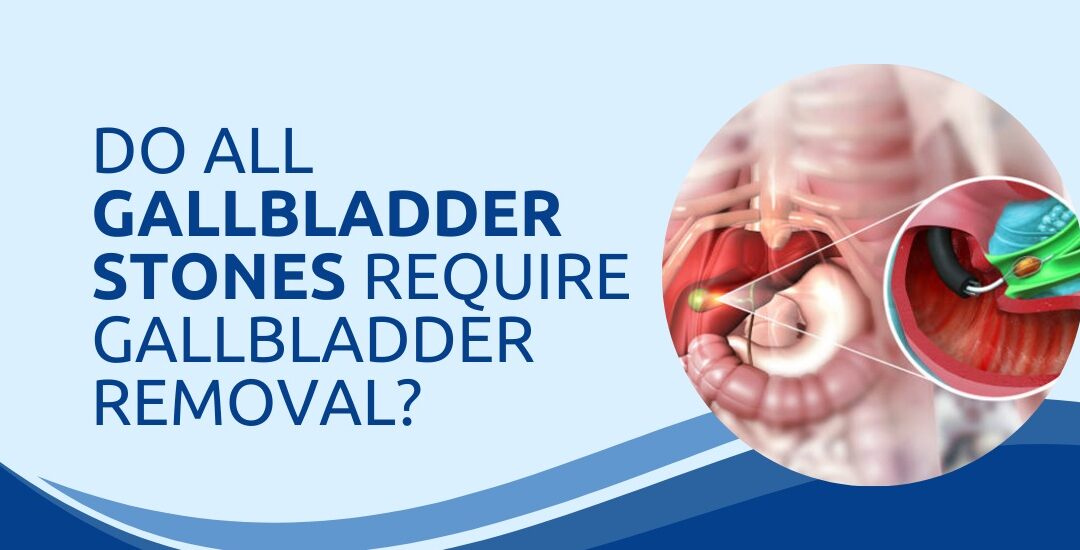
Gallstones are hardened deposits found in the gallbladder, a small organ below the liver. The deposits can be as small as grains of sand or as large and solid as stones. Many people with gallstones may have no symptoms at all, thus avoiding treatment; others feel sharp pain and complications – such as inflammation or infection – that may require gallbladder surgery. Not all gallstones require such an invasive procedure, though.
According to Dr. Rajeev Premnath, an eminent general and laparoscopic surgeon in Jayanagar, Bangalore, “Many patients can live with gallstones without surgery, as long as they don’t experience significant pain or complications.”
For about the last two decades, Dr. Rajeev Premnath has been treating patients for gallstones. His core competence is preparing an individualized treatment plan that balances the need for surgery with alternatives that avoid unnecessary risk. Being a specialist in laparoscopic gallbladder surgery, Dr. Premnath helps patients make an informed decision regarding their health by offering them the latest minimally invasive treatments that are very much required for a quicker recovery.
Curious about how gallstones form? Let’s explore the types and causes of gallstones.
What Are Gallstones?

Gallstones are hardened deposits that form in the gallbladder, a small organ located under the liver. This organ is responsible for the storage of bile produced by the liver. Bile is used in the digestion of fats. Sometimes, when these components of bile are out of balance, gallstones may form. In general, there are two types of gallstones:
- Cholesterol Gallstones:
These are the most common types and are usually yellow-green. They occur when the bile contains too much cholesterol.
- Pigment Gallstones:
These stones are darker in color and form when there is excess bilirubin, a substance produced by the breakdown of red blood cells.
“Not all individuals with gallstones experience symptoms, but when symptoms do occur, they can cause significant discomfort, often referred to as gallstone pain,” explains Dr. Rajeev Premnath.
Are you experiencing gallstone colic? Connect with a seasoned specialist to discuss your treatment options.
Curious about how gallstones form? Let’s explore the types and causes of gallstones.
When Is Gallbladder Removal Necessary?
Gallbladder removal, also known as cholecystectomy, is often recommended when gallstones cause significant symptoms or complications. Here are some conditions that may necessitate gallbladder surgery:
- Severe Gallstone Pain: If gallstones cause intense pain, also known as a gallstone colic, which occurs when stones block bile flow.
- Cholecystitis: Inflammation of the gallbladder, often caused by gallstones blocking the bile ducts, leading to infection and pain.
- Pancreatitis: A serious condition where gallstones block the pancreatic duct, causing inflammation of the pancreas.
- Bile Duct Blockage: By far, the most dangerous complications arise if the stones obstruct the bile ducts.
In such scenarios, surgery of the gallbladder through laparoscopy is preferred since it involves minimal invasion.
Are there non-surgical treatments? Let’s explore alternative approaches to managing gallstones.
Alternative Treatment Options for Gallstones
In some cases, gallstones can be managed without surgery. Some non-surgical treatment options include:

Medications
Certain medications, such as ursodeoxycholic acid, may help dissolve small cholesterol gallstones over time.
Dietary Changes
In some instances, adjusting your diet may help reduce the risk of developing further gallstones, especially if they are asymptomatic..Should you undergo gallbladder surgery? Let’s weigh the risks and advantages of removal.
Risks and Benefits of Gallbladder Removal

Gallbladder surgery offers significant relief for patients with painful or complicated gallstones, but like any procedure, it comes with both risks and benefits:
Benefits:
Immediate Pain Relief:
Surgery of the gallbladder can rid patients of pain caused by gallstones and further attacks.
Prevents Complications:
Surgery prevents severe complications such as pancreatitis or cholecystitis.
Minimally Invasive:
Laparoscopic gallbladder surgery typically results in smaller incisions, reduced recovery time and less post-surgery pain.
Risks:
Surgical Complications:
As with any surgery, there are risks of bleeding, infection and damage to nearby organs.
Digestive Changes:
After gallbladder removal, some individuals may experience digestive issues, such as diarrhea or bloating.
Postoperative Pain:
Though minimal, some discomfort and pain can occur after surgery.
Weighing the benefits and risks of gallbladder surgery is crucial in determining the best treatment plan.
What happens after gallbladder surgery? Let’s talk about recovery and care.
Recovery and Long-Term Care After Gallbladder Removal

Recovery after gallbladder surgery typically takes a few weeks. With laparoscopic gallbladder surgery, patients generally experience:
- Faster Recovery: Most people return to normal activities within 1-2 weeks.
- Minimal Scarring: Laparoscopic techniques use small incisions, reducing scarring and promoting faster healing.
- Post-Surgery Care: Dr. Rajeev Premnath provides personalized care, offering advice on dietary changes, pain management and follow-up appointments to ensure full recovery.
In the long term, most individuals live well without a gallbladder. The liver continues to produce bile, but it is released directly into the small intestine rather than being stored in the gallbladder.
Conclusion
Cholecystectomy, or gallbladder removal, is recommended even if the patient has no symptoms of gallstones in certain cases. These include:
- A woman in her childbearing years who plans to become pregnant in the near future.
- A diabetic patient or someone with an immunocompromised condition, such as a post-renal transplant patient.
- A patient relocating to a remote location where medical care is not readily available.
With advancements in laparoscopic gallbladder surgery, the procedure has become less invasive, offering faster recovery and fewer complications.
Frequently Asked Questions
What are the symptoms of gallstones?
Gallstone symptoms include sharp abdominal pain, nausea, vomiting and digestive issues, particularly after eating fatty foods.
What is gallstone pain like?
Gallstone pain often occurs in the upper right abdomen, can be sharp and intense and may radiate to the back or shoulder blades.
Do gallstones always require surgery?
No, many people with gallstones experience no symptoms and may not require surgery. Surgery is generally recommended for symptomatic or complicated cases.
Can gallstones be dissolved with medication?
Gallstones often return once the medication is stopped. Many patients also experience side effects from medications used to dissolve gallstones.
What happens to bile after gallbladder removal?
After the gallbladder is removed, bile is released directly into the small intestine, aiding in digestion but without being stored.
Reference links:
https://www.nhs.uk/tests-and-treatments/gallbladder-removal/why-its-done/
Disclaimer: The information shared in this content is for educational purposes and not for promotional use.